
Reveal Digital
Reveal Digital develops open, collaboratively funded primary source collections that surface under-represented voices from the 20th century and beyond. We work with libraries, archives, and communities to fund, digitize, and deliver collections—free to everyone on JSTOR.
1M+
Pages of openly available content across 7 collections
130+
Academic libraries fund collections
2.5M+
Items viewed
Our approach
Open by design
Collections are made freely available on JSTOR once funded, ensuring permanent, barrier-free access with long-term preservation through Portico.
Built together
Libraries and cultural organizations co-create through funding and content contributions, shaping each collection’s scope and impact.
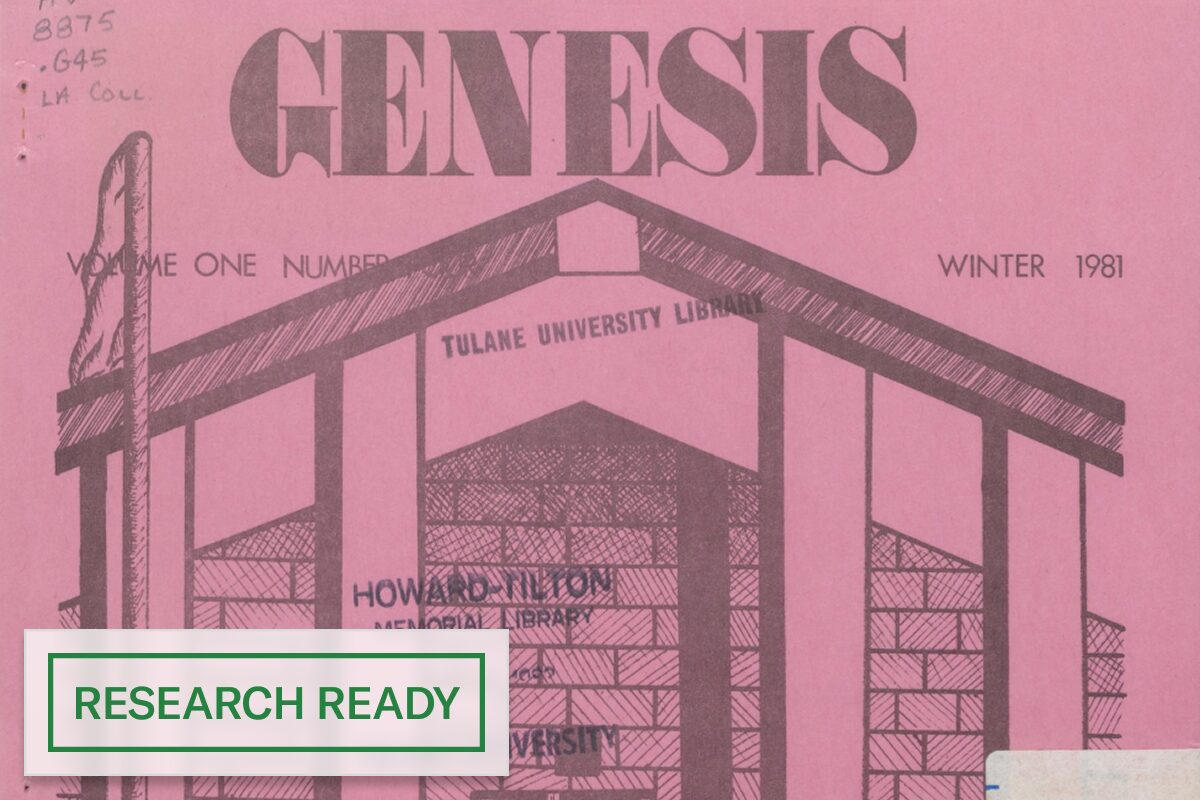
Research-ready
Collections are discoverable alongside journals, books, and images for discovery in context—helping users connect primary sources with scholarly research.
Why it matters
Scholars and students rely on digital archives to understand the past—yet many vital stories remain hidden in boxes, basements, and community collections without the resources to make them accessible. Reveal Digital exists to change that by advancing open access and collaborative digitization across libraries, archives, and cultural organizations.
Together, we uncover, digitize, and preserve voices left out of the mainstream historical record—activists, artists, journalists, and communities whose experiences challenge and enrich the dominant narrative. Each collection helps fill critical gaps, connecting underrepresented perspectives with global audiences and reshaping what history includes, who it represents, and who can access it.
How it works
Libraries and cultural institutions pool funding and contribute primary sources. Reveal Digital manages rights clearance, digitization, metadata description, hosting on JSTOR, and long-term preservation through Portico. When a project reaches its funding goal, it becomes freely available to all in perpetuity—creating a sustainable model for open access publishing driven by library collaboration.
Explore the collections
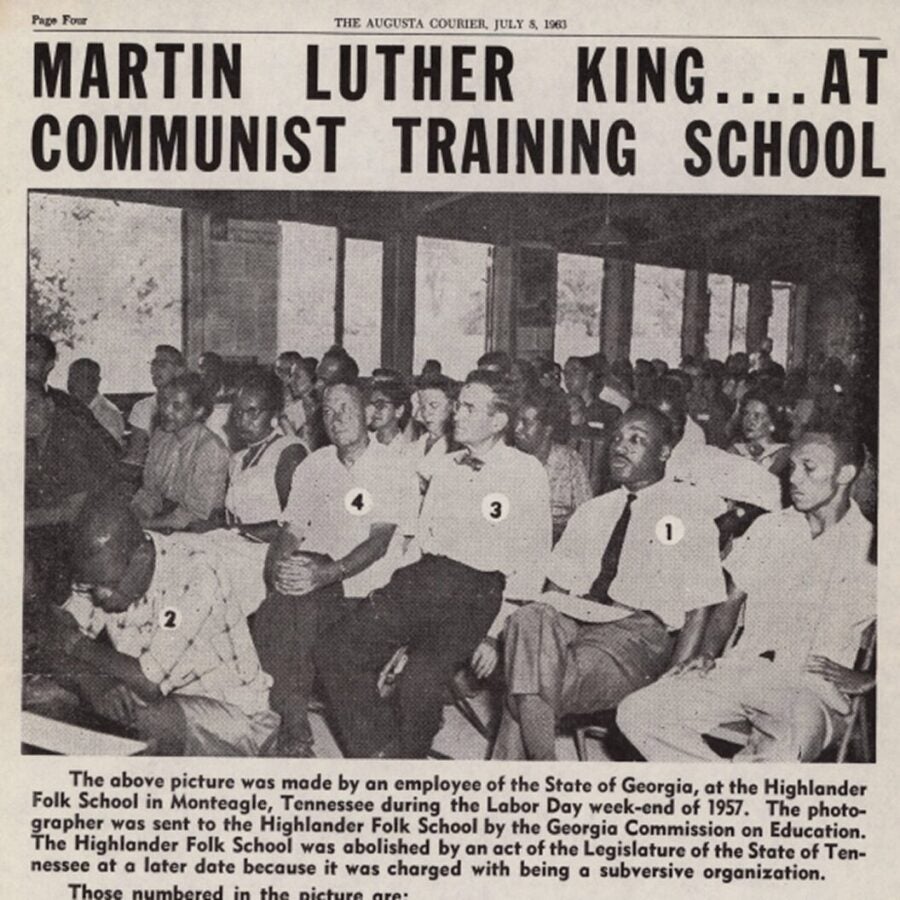
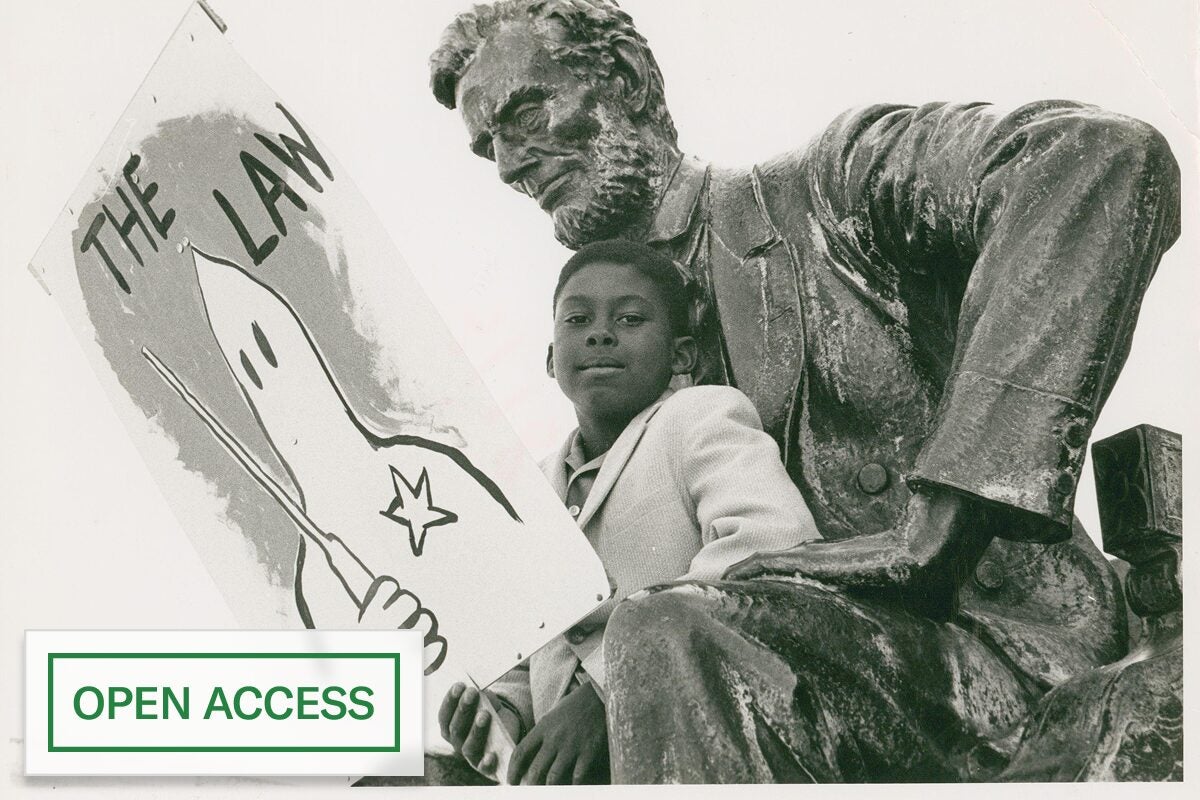
Open
Behind the Scenes of the Civil Rights Movements
Seeking funding and content contributions
Announced in 2022, this collection uncovers and digitizes grassroots histories of civil rights activism led by everyday citizens across Black, Latine, Indigenous, and Asian American and Pacific Islander communities. Once funded, it will open freely on JSTOR—preserving and amplifying historically excluded voices and making them accessible for research and teaching worldwide.
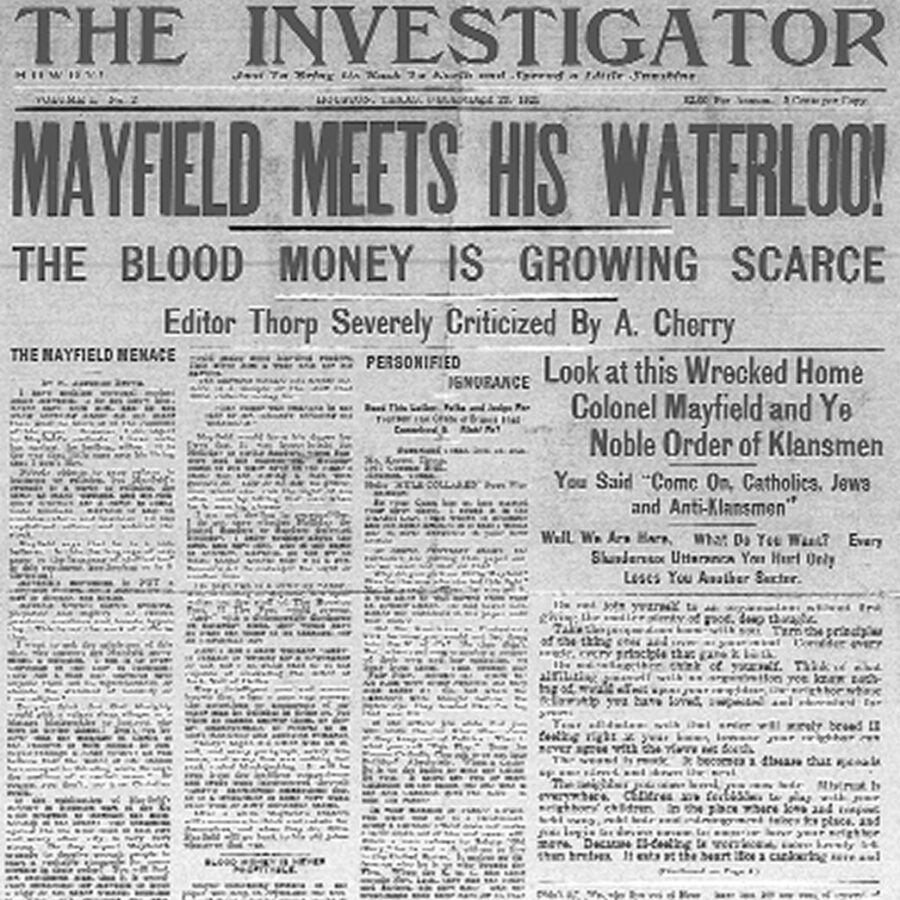
Documenting White Supremacy and its Opponents in the 1920s
Seeking funding and content contributions
This collection documents both organized white nationalist movements and the individuals and organizations that resisted them. By bringing together local and national newspapers—from Klan-affiliated to anti-Klan publishers—it reveals how propaganda, activism, and resistance in the 1920s shaped modern understandings of U.S. nationalism.

Open
Black Periodicals: From the Great Migration through Black Power
Seeking content contributions
This collection brings together periodicals capturing the intellectual, cultural, and political life of Black communities from the early 20th century through the Black Power era. Featuring publications from the U.S., Africa, Europe, and the Caribbean, it highlights the breadth of Black thought and creative expression across the African diaspora.
Part of Diversity & Dissent Fund
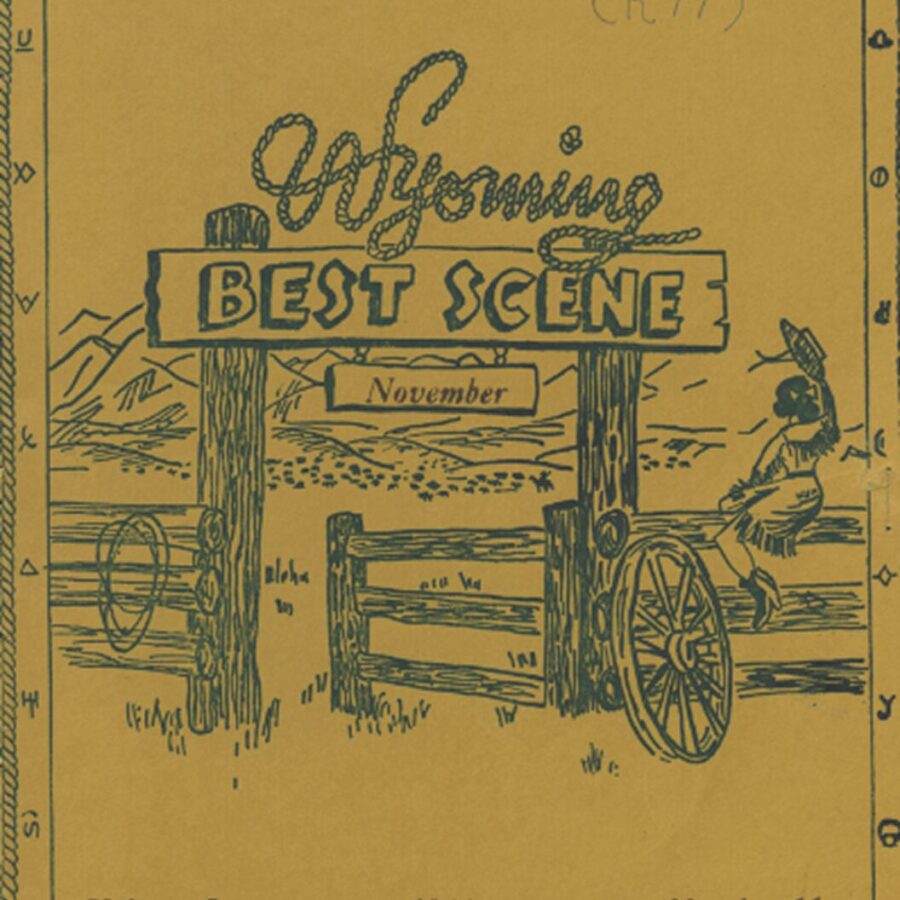
Open
American Prison Newspapers 1800s-present: Voices From the Inside
This open collection unites hundreds of newspapers written and edited by people who were or are incarcerated across the U.S. It offers an unparalleled record of lived experience, creativity, and resistance behind prison walls, and provides vital resources for studying media, justice, and human rights.
Part of Diversity & Dissent Fund
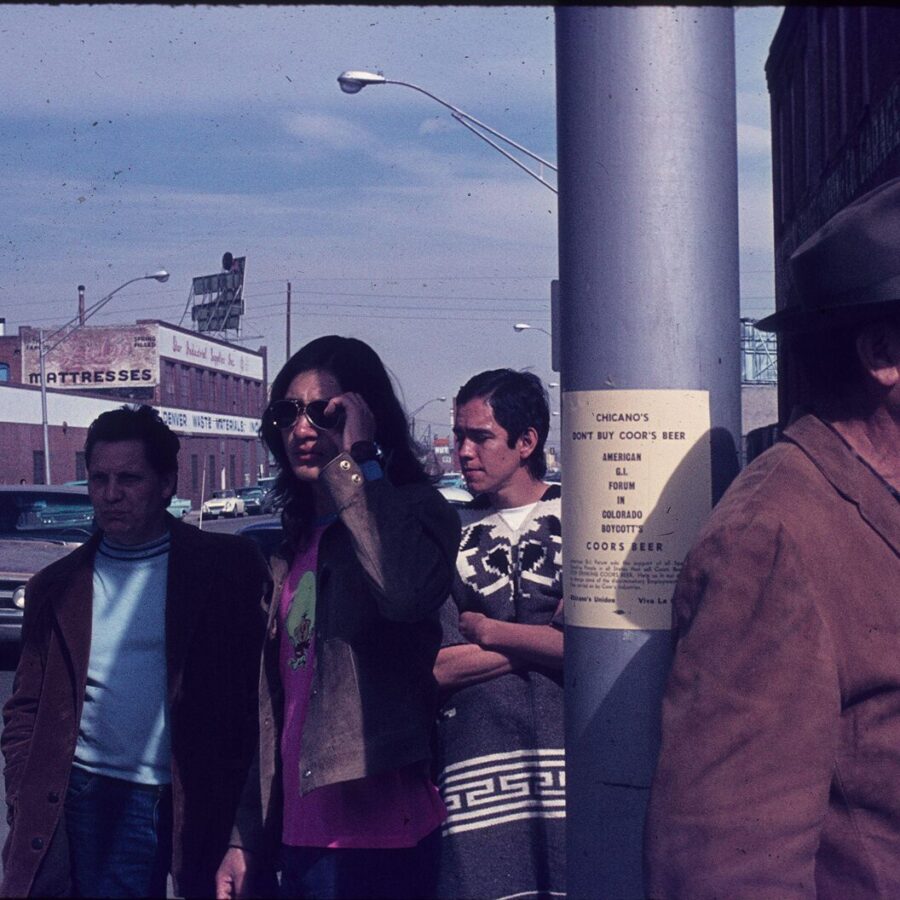
Open
Student Activism
Spanning more than a century of student organizing, this collection captures the spirit and complexity of campus activism in the U.S.—from civil rights and anti-war movements to feminist and LGBTQ+ advocacy. It helps researchers and educators connect historic student movements to today’s calls for equity and social change.
Part of Diversity & Dissent Fund
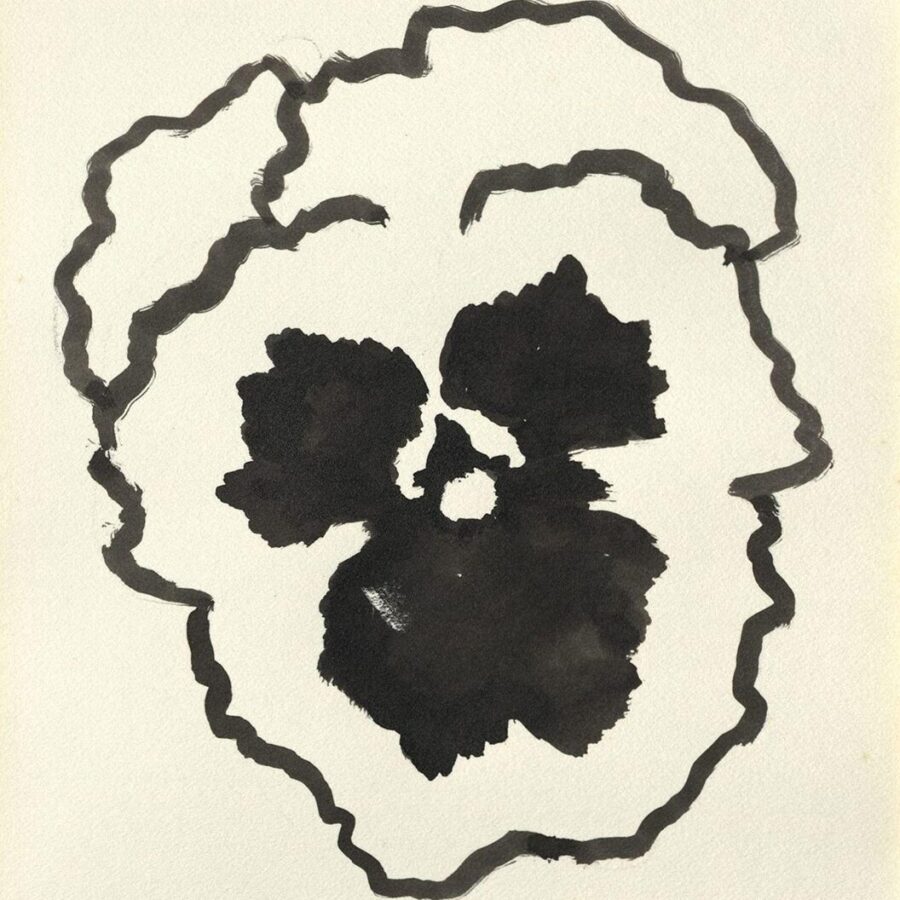
Open
HIV, AIDS & the Arts
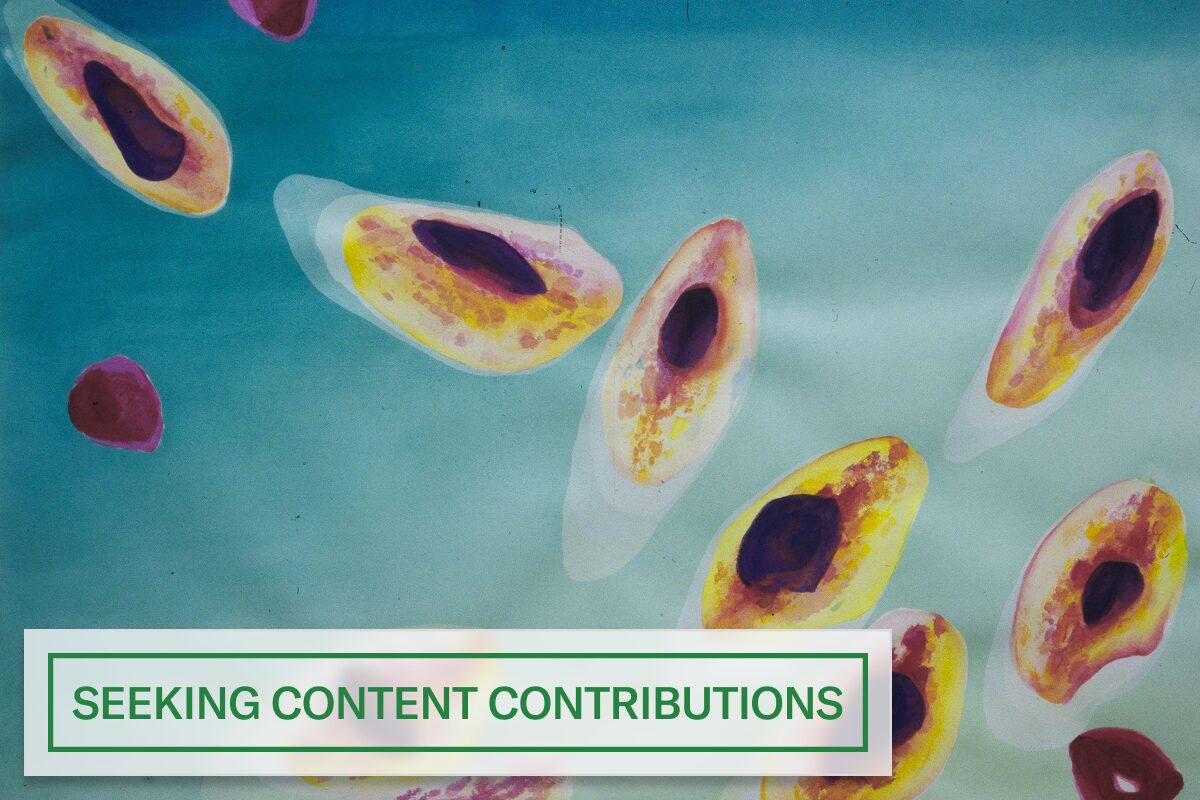
Seeking content contributions
A global collection documenting artistic and cultural responses to the HIV/AIDS crisis, highlighting how artists and communities used creativity to confront stigma, mourn loss, and build solidarity. Through visual art, performance, and personal archives, this collection preserves stories of activism, resilience, and remembrance that continue to shape public understanding today.
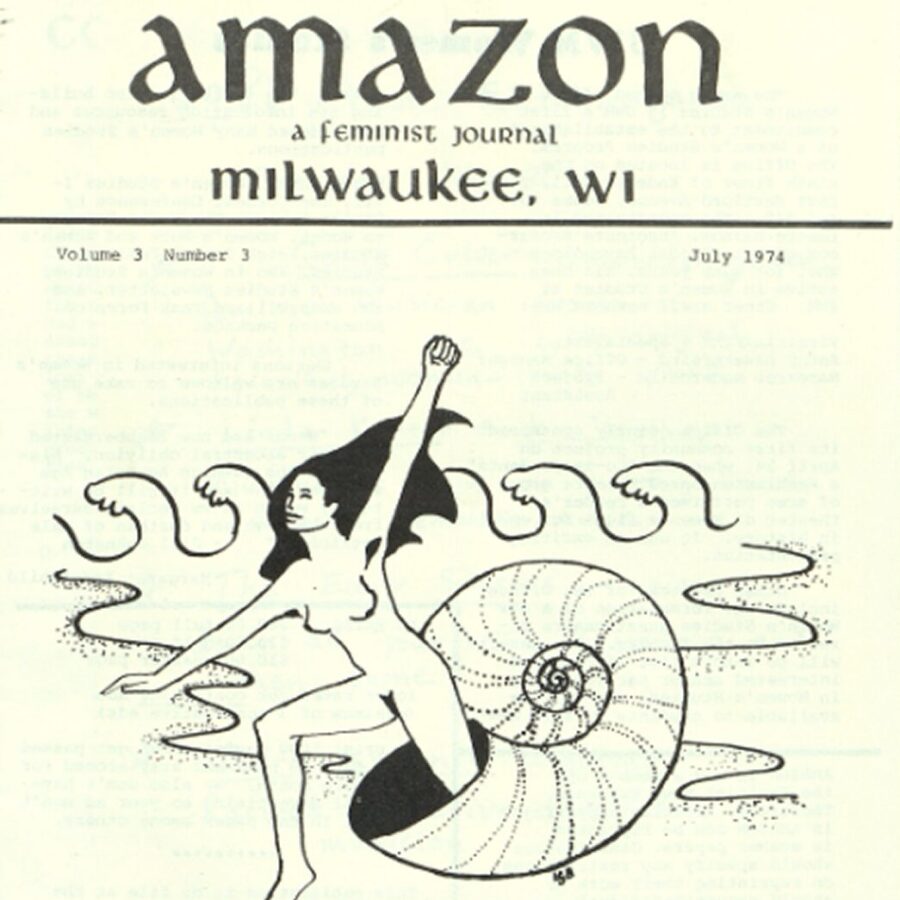
Open
Independent Voices
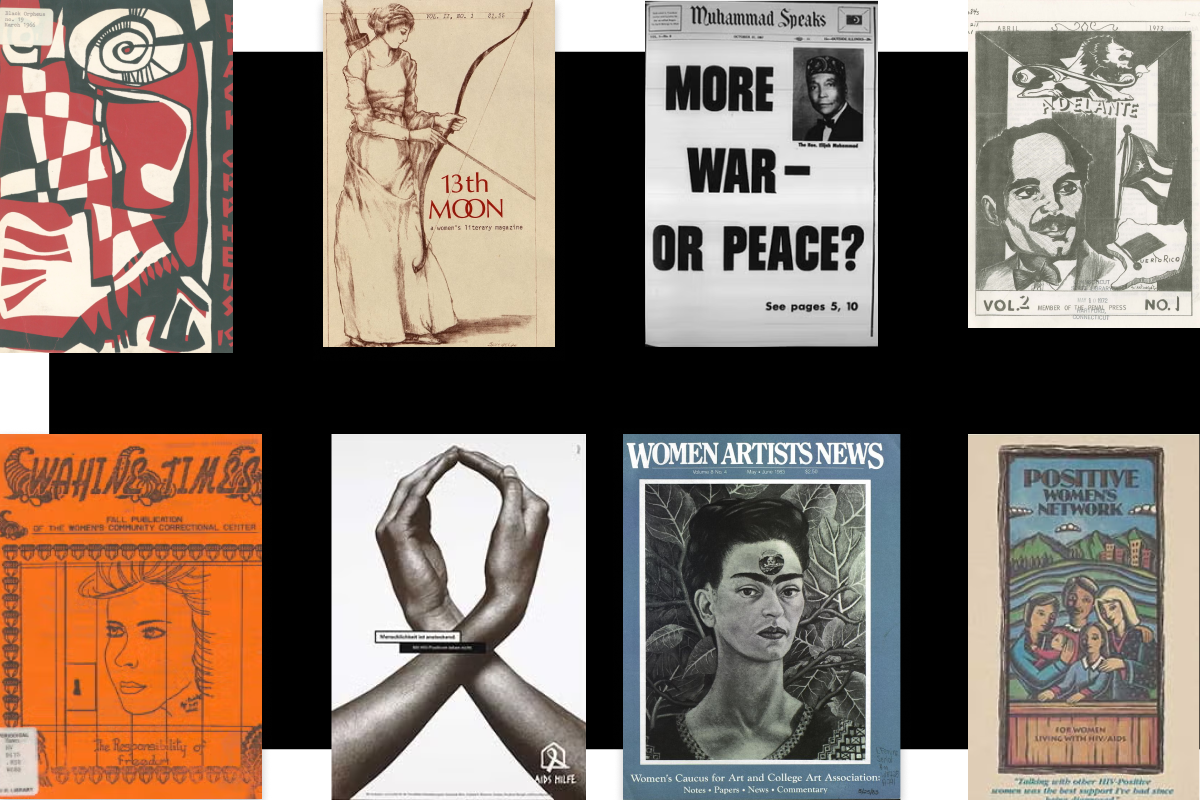
A foundational Reveal Digital collection, Independent Voices brings together more than 1,000 titles from the alternative press of the 1960s–1980s. These publications—by feminists, anti-war activists, LGBTQ+ organizers, Indigenous advocates, and other historically underrepresented groups—transformed public dialogue and documented a period of extraordinary social change. Now complete and freely open on JSTOR, thanks to the support of funding libraries.

Reveal Digital’s work ensures that future generations of teachers, learners, and individuals can engage with a fuller, more accurate record of the past—one that includes the struggles, ideas, and cultural contributions of communities that were historically excluded.
Discover the latest from Reveal Digital
Teaching with the American Prison Newspapers collection
Curricular materials, guides, and readings designed to help educators and students teach with the American Prison Newspapers collection, centering incarcerated voices and critical inquiry.
Primary sources on JSTOR
Explore millions of primary sources on JSTOR—documents, images, artifacts, and data from libraries, archives, and museums worldwide. Discover materials that enrich research and teaching.

JSTOR’s commitment as a nonprofit
As a nonprofit, JSTOR is committed to equitable, sustainable access to knowledge. We partner with libraries, publishers, and institutions to make scholarship affordable, preserved, and accessible to all.
JSTOR for librarians
Explore JSTOR’s resources, tools, and services for librarians. Strengthen collections, support faculty and students, and steward your institution’s distinctive materials with confidence.
JSTOR products and services
Explore JSTOR’s full suite of products and services—from mission-driven digital stewardship and an innovative research platform to flexible content solutions—that support scholarship, teaching, and discovery.
Behind the scenes of Reveal Digital: An open-access primary source collection on JSTOR
Discover the story behind Reveal Digital, an open access primary source collection on JSTOR highlighting underrepresented 20th-century voices of dissent. Learn how library crowdfunding, collaboration, and preservation have built a resource of over 70,000 items.
Monthly-wrap up: Spotlighting pride, prison newspapers, and a painter in June
We hope this blog post finds you with a spare moment to explore something new! June’s releases on JSTOR brought together book-length research, community newspapers, […]
Monthly wrap-up: Maps, movements, and miniature pills in May
May’s additions to JSTOR opened new ways to engage with visual culture, political history, and everyday life.
Digitally archived primary sources are imperative to higher education
What would your classroom look like if students engaged with knowledge as detectives rather than passive readers? The answers lie in digital primary sources. And education depends on how we use them.
View image credits from this page
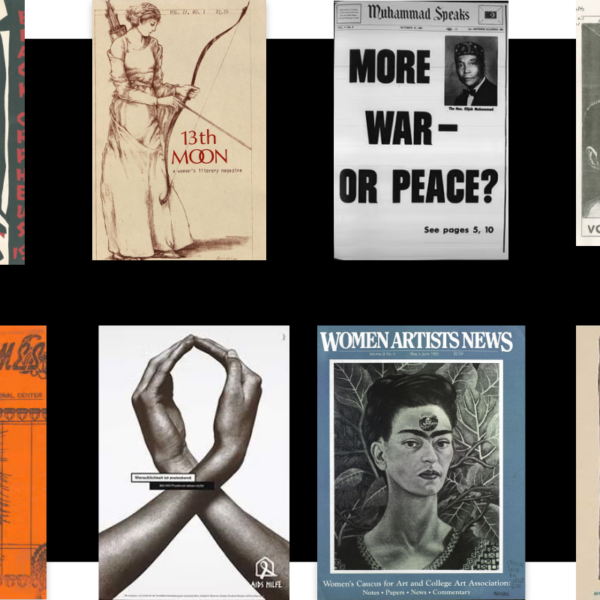
“Black Orpheus.” Black Orpheus, no. 19 (March 1, 1966).
Positive Women’s Network. Three Women a Girl and a Baby Standing in Front of Fence against a Landscape Representing the Positive Women’s Network for Women Living with HIV/AIDS. Part of Open: Wellcome Collection, Artstor. https://www.jstor.org/stable/community.24759494.
CN, Nancy McClernan, Judy Seigel, Alessandra Comini, Bea Kreloff, Barbara Fischer, May Stevens, et al. “Women Artists News.” Women Artists News 8, no. 4 (May 1, 1983).
CN, Nancy McClernan, Judy Seigel, Alessandra Comini, Bea Kreloff, Barbara Fischer, May Stevens, et al. “Women Artists News.” Women Artists News 8, no. 4 (May 1, 1983).
Ruth Lisa Schechter, Barbara Guest, Colette Inez, Mary Ellen Solt, E. McKim, Phyllis Janowitz, Adrianne Marcus, et al. “13th Moon.” 13th Moon 2, no. 1 (January 1, 1974).
“Muhammad Speaks.” Muhammad Speaks 7, no. 6 (October 27, 1967).
“Adelante.” Adelante 2, no. 1 (April 1, 1972).
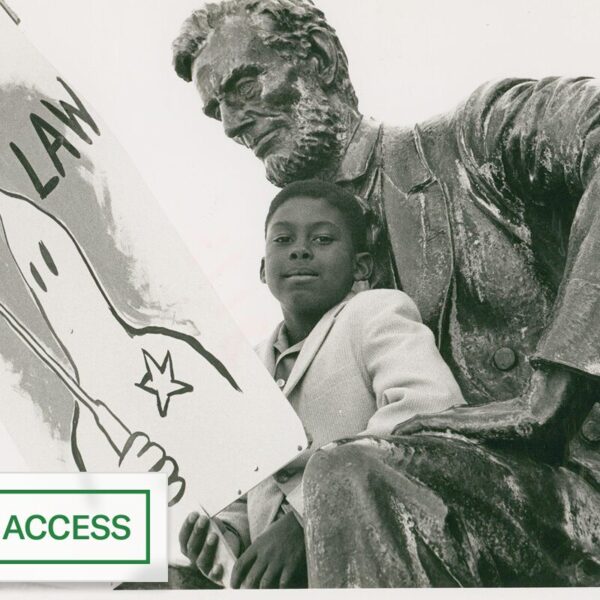
Phiz Mezey. Child holding picket sign while sitting on the lap of Lincoln monument outside City Hall. 1963. San Francisco History Center, San Francisco Public Library. Reveal Digital.
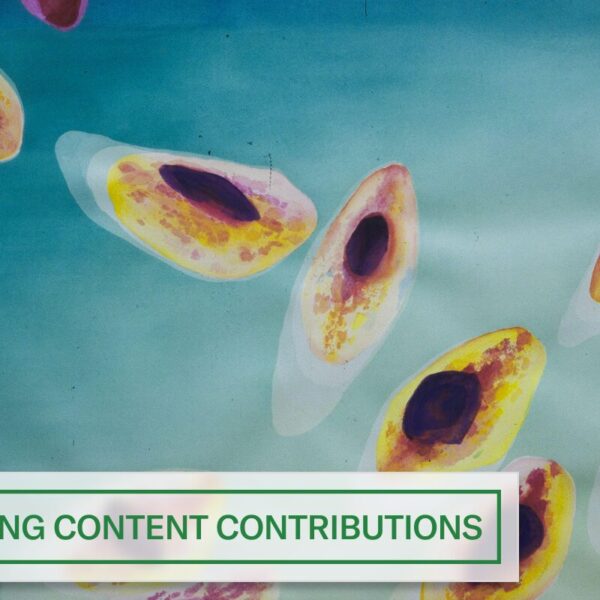
Ed. Aulerich-Sugai. C-12 – Cell – Congo Eel #2. 1987. Ed Aulerich-Sugai Collection and Archive, Part of HIV, AIDS & the Arts. https://www.jstor.org/stable/community.41176942.
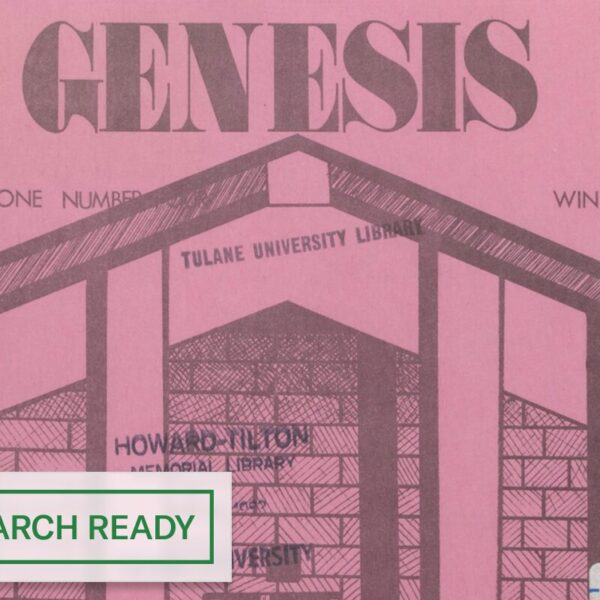
“Genesis.” Genesis 1, no. 4 (December 1, 1981).
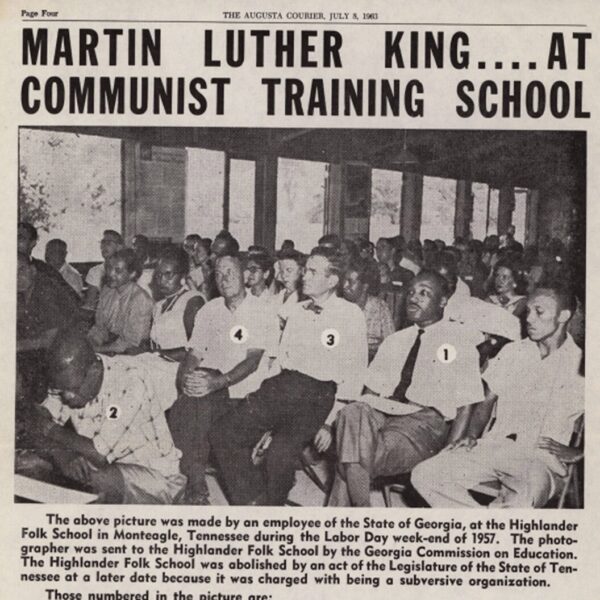
Alert Americans Association Broadside “Martin Luther King…At Communist Training School”, 1963 July 8, Item 01. Documents. Alert Americans Association Broadside “Martin Luther King…At Communist Training School”, 1963 July 8, 1963. Part of Alert Americans Association broadside “Martin Luther King…At Communist Training School” (Atlanta History Center), “Series: African American,” Behind the Scenes of the Civil Rights Movements, Reveal Digital. https://jstor.org/stable/community.35562234.
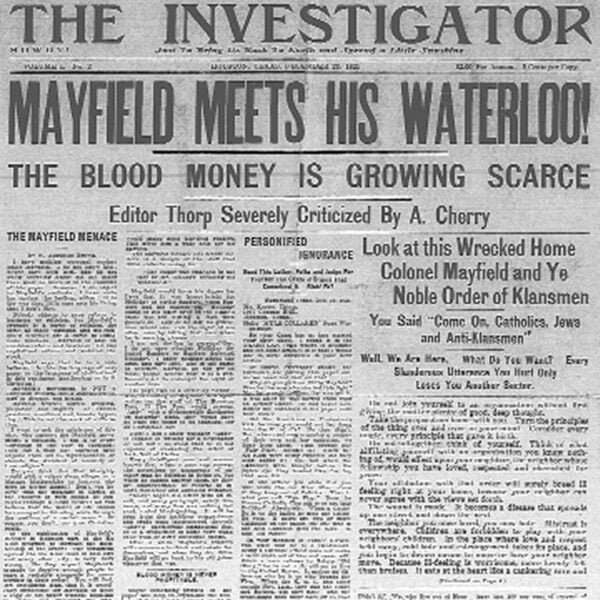
“The Investigator.” 23 December 1921, vol. 1, no. 2, p. 4. Anti-Klan Newspaper series. Published by Ernest Thorp. Briscoe Center for American History, University of Texas. OCLC 14291392. https://dwso.revealdigital.org/?a=d&d=BECJBDJC19211223-01.2.1.

“Fire!!: A Quarterly Devoted to the Younger Negro Artist.” Fire!!: A Quarterly Devoted to the Younger Negro Artist 1, no. 1 (November 1, 1926). https://jstor.org/stable/community.39755520.
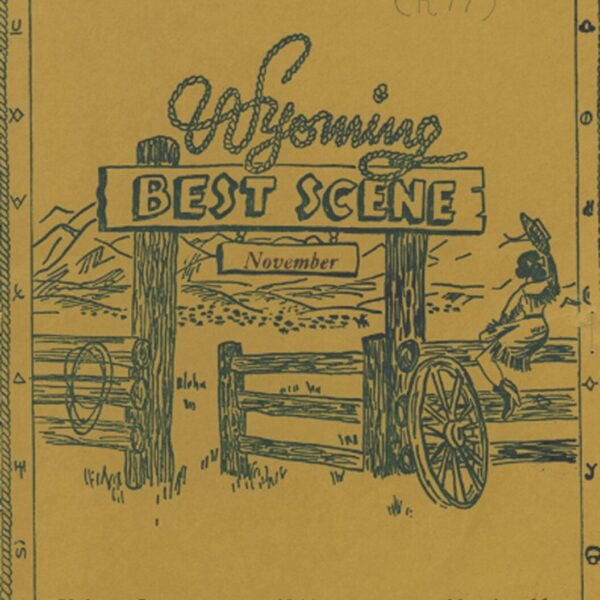
Will Shepard. “Best Scene.” Best Scene 5, no. 8 (August 1, 1966). https://jstor.org/stable/community.30002602.
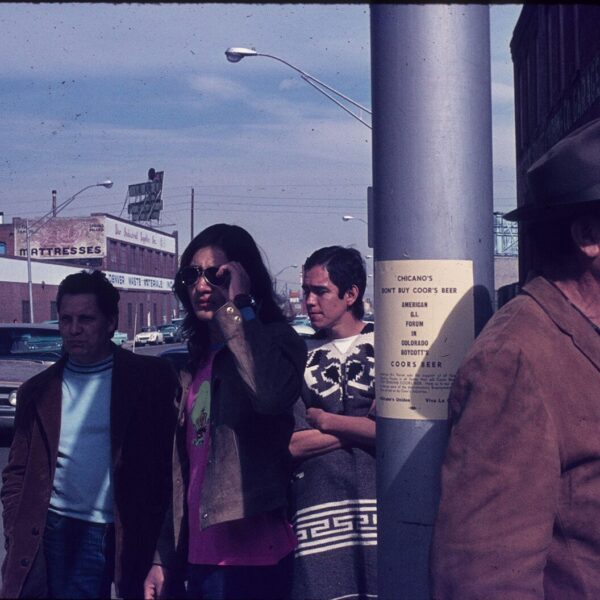
Unknown. “Chicano Don’t Buy Coors,” Flier. n.d. Colorado State University Pueblo. Student Activism, Part of Reveal Digital. https://jstor.org/stable/community.36805194.
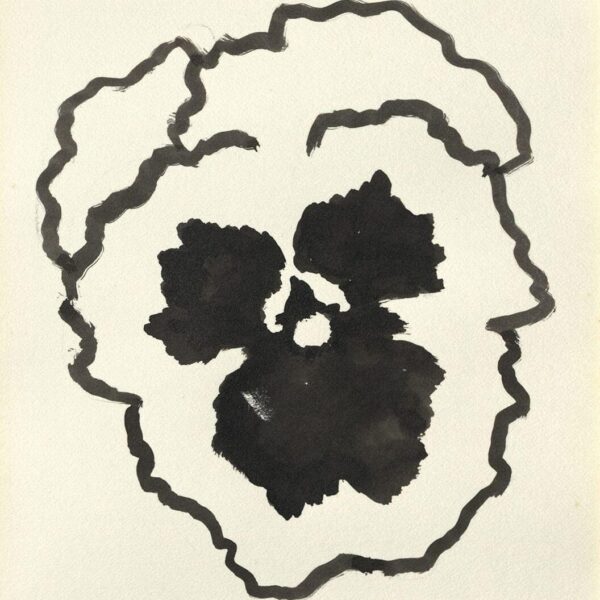
“Pansies” – (Three of Four Rejected Drawings for “Paris Review”, No. 61) Ink on Paper, All Unsigned, 1975, Item 02. January 1, 1975. Joe Brainard Archive (University of California San Diego), Part of HIV, AIDS & the Arts, Reveal Digital. https://www.jstor.org/stable/community.35006536.
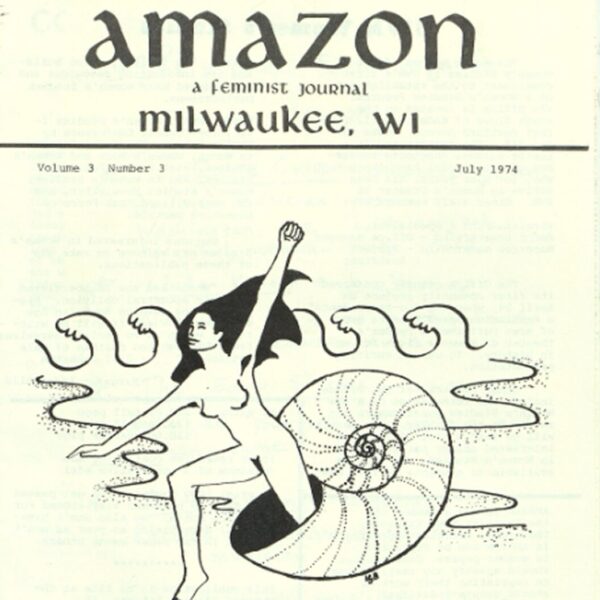
Margaret Anderchild, Eli Burke, Linda Brodhagen, Ginny Link, Sharon Wallace, Martha Spencer, and Belle Guernsy. “The Amazon.” Amazon, The 3, no. 3 (July 1, 1974). https://jstor.org/stable/community.28032264.