
Providing an academic research library for people in jails and prisons
JSTOR Access in Prison partners with correctional education programs and Departments of Corrections (DOC) to make high-quality academic resources accessible to incarcerated learners.
With online and offline solutions, JSTOR empowers students inside to build research, digital, and critical thinking skills that support their education and successful reentry.
1,450+
Prisons providing JSTOR access
1M+
People served inside
99.7%
Approvable content
What is JSTOR Access in Prison?
JSTOR is a trusted digital library used by 14,000+ higher education institutions worldwide. The JSTOR Access in Prison initiative, launched in 2007, extends this access to correctional education programs—bringing peer-reviewed scholarship to students working toward GEDs, CTE certificates, and college degrees inside correctional facilities.
By providing the same high-quality academic content available on the outside, JSTOR supports educational equity and fosters lifelong learning opportunities for people who are incarcerated.
What’s included
Students inside correctional facilities have access to the same expansive scholarly resources as those outside:
- 15 million academic journal articles
- 100,000 ebooks
- Scholarly research across 75 disciplines
These materials support college-level research and information literacy skill-building.
- Administrator and educator welcome materials
- Student and teacher guides
- Research tutorials
- Support resources
Adaptable solutions for access inside
JSTOR offers secure online and offline access options to meet the unique technology and security requirements of correctional facilities.
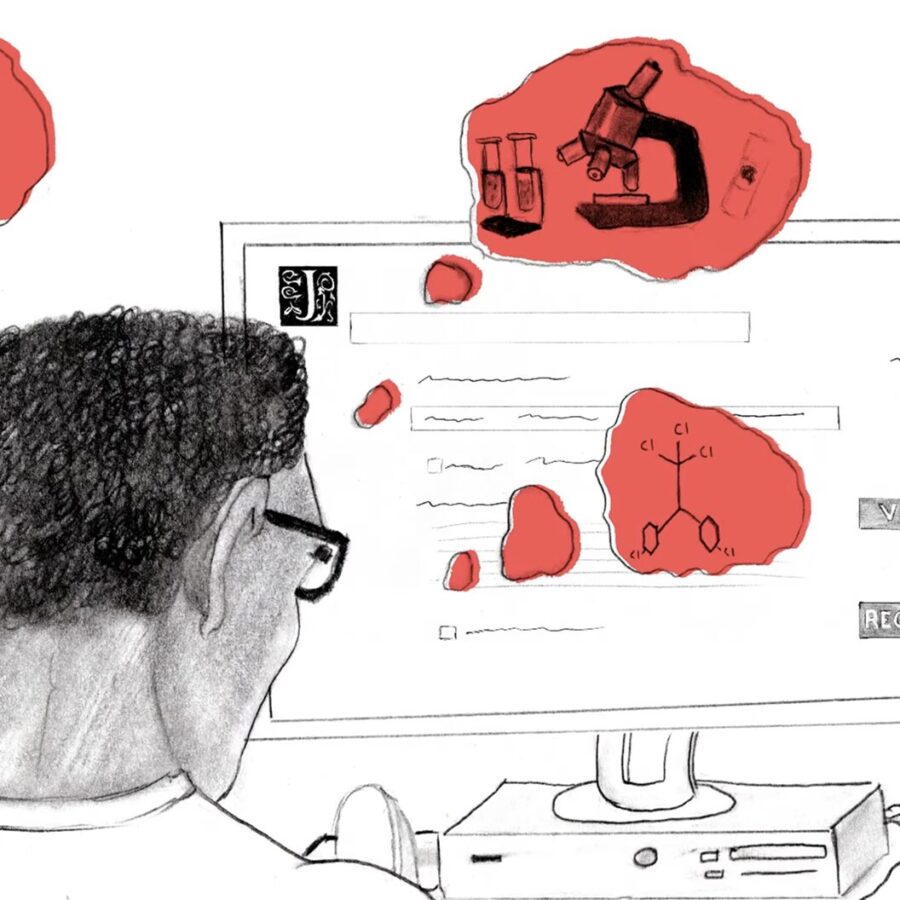
Online (Mediated JSTOR)
The mediated JSTOR platform, hosted at pep.jstor.org, is designed specifically for use within correctional systems. It allows secure, online access to JSTOR content while respecting facility media review policies and compliance requirements.
Offline (JSTOR Offline)
When internet access is restricted, JSTOR Offline enables students to browse a locally installed index of the 500,000 most-cited articles across disciplines. Libraries or education partners can then print and deliver full-text articles through their existing JSTOR participation.
Why it matters
By partnering with correctional education programs, JSTOR supports equitable access to knowledge and helps build pathways from incarceration to higher education and employment.
Education in prison reduces recidivism, improves reentry outcomes, and strengthens communities.

Stay informed with The Catalyst
Stay updated on developments in prison education, new research, and JSTOR resources for correctional education programs.
Contact us
We’ll work with you to develop the best solution for your correctional education or DOC program.
Community voices

Holding the journal, I reflected on these implausible achievements and the tools that made them possible. Previously, few incarcerated individuals could achieve these feats, because they didn’t have one essential piece: access—access to education and access to critical information. A primary means of information access came through the JSTOR digital library, which contains millions of academic journal articles and other primary sources. My ability to access the library opened a world of not only information, but also opportunity.
Our story is an example of how access to JSTOR’s vast database of knowledge can facilitate rehabilitation and create opportunity.
In September of my sophomore year, in afternoon study hall, a classmate stood and announced, ‘It finally happened. We have access to the research sites’… Clicking from one link to another—finally able to experience the famed ‘research rabbit hole’… Learning and making connections invigorated me.
Like the beings in Plato’s cave, we were imprisoned physically and mentally. But we escaped together. Although still residing in a physical prison, access to information through JSTOR broke the chains confining our minds.
This access to information gave me much more than just better sources for school papers. As a voracious reader with a mind on hyperdrive, I saw connections and applications constantly flashed into my imagination, but was stifled by a lack of information. Information access freed me to harness the hyperdrive.
Research cultivated an oasis in the wasteland of prison. I blossomed in searching, printing, and reading. I dissected each article with mad scientist intensity using an arsenal of highlighters and pens. A pink highlighter for key terms, yellow highlighter for key information, blue ink for notes, red ink for composition ideas. My color-coded annotations helped me develop ideas and write.
The latest from JSTOR Access in Prison

From jailhouse lawyer to fellow: How legal literacy at work is changing what I thought was possible
In “From jailhouse lawyer to fellow,” Joseph Sanchez reflects on how learning the law to navigate his own case became a way to support others and ultimately led to his work with the Legal Literacy at Work fellowship.

Education is My Contraband
In recognition of Fair Opportunity Month, “Education is My Contraband” traces Taveuan Williams’s journey from survival to self-discovery through reading and learning. Inside a system designed to reduce him, education becomes both resistance and refuge, offering a way to rebuild identity, confront the past, and imagine a future beyond confinement.
Restorative Justice: The Casuistic Approach
In recognition of Fair Opportunity Month, “Restorative Justice: The Casuistic Approach” brings together lived experience, philosophy, and theology to reexamine how we define justice. Drawing from their own lives inside the Colorado Department of Corrections, Robert Ray and Clarke T. Clayton explore restorative justice as a human-centered practice.

Clamoring to be Heard
In recognition of Fair Opportunity Month, “Clamoring to be Heard” shares Lisa Lesyshen’s experience navigating incarceration as a wheelchair user—and the assumptions that shaped it. After being denied meaningful work, she creates her own path by launching Inmate.com, a prison-run TV program that gives voice to incarcerated people and challenges misconceptions about disability, dignity, and life inside.

Leaders and Followers
An acting workshop becomes a lesson in trust, responsibility, and shared experience. Reflecting on moments of leading and following, William Davenport considers what it means to guide others, to rely on them, and to recognize that both roles are essential to how we learn and grow.

Star Dog by Jeremy Moss
This post introduces Star Dog by Jeremy Moss, the first published piece from an Unbound Authors student, a program supporting incarcerated writers across Colorado. Moss’s story follows a stray dog bearing witness to a man’s final moments, offering a quiet reflection on presence, dignity, and what it means not to be forgotten.

Welcome to Fair Opportunity Month: Centering the voices of people inside
JSTOR Access in Prison introduces Fair Opportunity Month, a reimagining of Second Chance Month that centers the voices and intellectual work of people inside. This year’s theme, We Learn Together, highlights writing, research, and creative work that challenges assumptions about who gets to participate in knowledge-making.

Pressing play with THEI: Excellence, agency, and the architecture of opportunity
The Tennessee Higher Education Initiative (THEI) rejects the idea that incarcerated students should accept “whatever is available.” Instead, their Navigating Forward project is built on the belief that learners inside deserve excellence—resources that are not only functional but dignifying.

A visit to Oregon State Penitentiary: Reflections from a JSTOR engineer
In this deeply personal reflection, Ryan McCarthy of JSTOR Labs shares his experience visiting Oregon State Penitentiary (OSP) alongside Chemeketa Community College’s prison education team.
Frequently asked questions
What is JSTOR?
JSTOR is a digital library providing access to thousands of academic journals, books, and primary sources across various disciplines.
What is a digital library?
A digital library, also known as an online library, digital repository, or digital collections, is an online database of digital objects, such as text files in PDF format, and images. JSTOR’s digital library also provides means for organizing, searching, and retrieving this content.
Who uses JSTOR in correctional settings?
While students in higher education make up the majority of our users, JSTOR Access in Prison is also used by GED/High School students, CTE (Vocational) Students, and the general population. Correctional staff also use JSTOR, if your site includes that option.
What are the different access options for JSTOR in prison education programs?
JSTOR offers an online version for facilities with internet connectivity and an offline version for facilities without access to the internet.
What is mediated JSTOR?
The mediated version of JSTOR is only available to correctional facilities. Mediated JSTOR allows jails and prisons to offer JSTOR to people in their custody while ensuring the content meets media review requirements.
What is in mediated JSTOR?
The same scholarly material and primary sources available on JSTOR are available on the mediated version–except shared collections and the images in Artstor.
Does JSTOR offer a version with pre-screened content for jails and prisons?
JSTOR allows each jail/prison system to select its own content. Some systems pre-approve the entire archive, while preserving the ability to restrict access to content at any time if it doesn’t meet the facility’s media review guidelines. Other facilities approve on a per-article basis as students request them, and gradually build their academic library that way.
How many people use JSTOR?
In addition to the millions of college faculty and students who use JSTOR around the world, over one million people who are currently incarcerated across 1,450+ sites in 23 countries are actively using JSTOR.
Which states are using JSTOR Access in Prison?
JSTOR Access in Prison operates in all 50 states either offline or online. JSTOR Access in Prison is also in 23 countries worldwide.
Which state utilizes JSTOR inside jails and prisons the most?
We don’t compare usage across states, as different states implement JSTOR differently. Some states make it available to everyone, some limit it to higher education students, and some provide access to anyone enrolled in any type of education. The states that allow their entire population to use the mediated version of JSTOR see the greatest benefit for the people in their custody.
Does JSTOR Access in Prison meet fedRAMP requirements?
Yes. All JSTOR Access in Prison servers are fedRAMP certified and have passed multiple Department of Homeland Security audits.
Have students ever used JSTOR to reach the internet?
No. Pep.jstor.org is a self-contained site that does not link to any site outside of that domain. All content is located on pep.jstor.org.
Do you meet disability accessibility requirements?
The online version of JSTOR Access in Prison is ADA-compliant. JSTOR applies WCAG and Section 508 standards to improve the user experience for everyone. The latest JSTOR Access in Prison Accessibility Conformance Report (ACR) (PDF) demonstrates the extent of compliance with both Section 508 and WCAG standards and guidelines based on the Voluntary Product Accessibility Template (VPAT)
My school doesn’t have JSTOR. Can we still use JSTOR access in the prison?
Yes.
What are the technical requirements for enabling online access to JSTOR in jails, prisons or detention centers?
For the online mediated version, a facility must have an internet connection and you must know your external IP address or range of addresses (we can work with your IT staff and/or vendors to determine this). Pep.jstor.org must also be added to the network’s allowed list (sometimes known as ‘whitelisting’).
How does JSTOR ensure its platform cannot be used as a gateway to unrestricted internet browsing?
The user cannot inject scripts, all external hyperlinks are disabled, and there are no shortcuts to social media sites. All content is hosted at pep.jstor.org, so content retrieval doesn’t require a hop to any external sites.
Does JSTOR provide laptops, desktops or tablets?
JSTOR does not provide hardware, though we can assist correctional institutions with hardware selection/implementation.
What kind of devices are required to support JSTOR access in a correctional facility?
A laptop, desktop, or tablet device is required for both online and offline versions.
How does JSTOR handle content deemed inappropriate or harmful in a prison setting?
JSTOR provides tools for the administrators and designated reviewers at each facility or prison system to implement their sites’ media review policies. The content in JSTOR is prosocial and academic. JSTOR itself does not moderate content. Less than .01% of content has been rejected because it did not meet media guidelines.
How can I introduce my students inside to JSTOR? Does JSTOR provide help students develop research and digital skills?
Incorporating the basics of information literacy into the syllabus is often helpful for students new to self-directed research. We provide a Welcome/Onboarding kit with essential tips for administrators, educators, and communications with users at your site. These are written in accessible language for people new to research or who may be at different points in their education.
How can higher education programs (HEP) in prisons without internet access request offline access to JSTOR content?
Contact us to review your options.
Does JSTOR collect user data?
We do not collect data from individual users. We monitor aggregate usage in order to maintain and improve the platform.
Can a person access JSTOR post-release?
Yes. If a student has a school-issued email address and the institution offers alumni access. In addition, JSTOR offers JPASS, individual plans for short- and long-term research access.
Which disciplines are included?
JSTOR Access in Prison includes 73 disciplines:
- African American Studies
- African Studies
- American Indian Studies
- American Studies
- Anthropology
- Aquatic Sciences
- Archaeology
- Architecture & Architectural History
- Art & Art History
- Asian Studies
- Astronomy
- Bibliography
- Biological Sciences
- Botany & Plant Sciences
- British Studies
- Business
- Chemistry
- Classical Studies
- Communication Studies
- Criminology & Criminal Justice
- Development Studies
- Developmental & Cell Biology
- Ecology & Evolutionary Biology
- Economics
- Education
- Engineering
- Environmental Science
- Feminist & Women’s Studies
- Film Studies
- Finance
- Folklore
- General Science
- Geography
- Geology
- Health Policy
- Health Sciences
- History
- History of Science & Technology
- Horticulture
- International Relations
- Irish Studies
- Jewish Studies
- Labor & Employment Relations
- Language & Literature
- Latin American Studies
- Law
- Library Science
- Linguistics
- Management & Organizational Behavior
- Marketing & Advertising
- Mathematics
- Middle East Studies
- Music
- Paleontology
- Peace & Conflict Studies
- Performing Arts
- Philosophy
- Physics
- Political Science
- Population Studies
- Psychology
- Public Health
- Public Policy & Administration
- Religion
- Research Reports
- Slavic Studies
- Social Work
- Sociology
- Statistics
- Technology
- Transportation Studies
- Urban Studies
- Zoology
What are the “safe” disciplines to approve?
Every site has a different risk tolerance, but the disciplines that are most often pre-approved are:
- Astronomy
- Aquatic Science
- Economics
- Law
- Mathematics
- Music
- Psychology
- Religion
- Research Reports
- Social Work
- Sociology
- Statistics
- Zoology
How do I add/remove a reviewer?
The site administrator is the only one outside of the JSTOR support staff that can add or remove reviewers. If you have further questions, visit our support page.
View image credits from this page

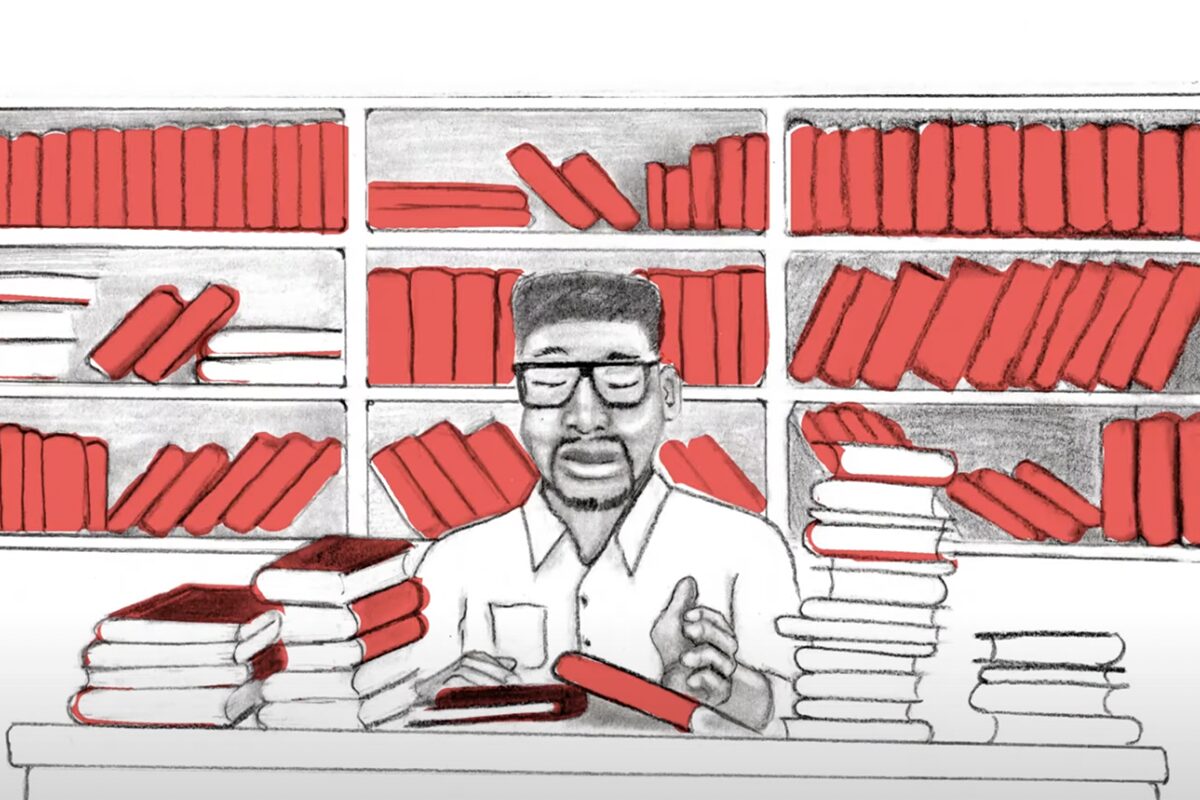
Illustration courtesy of Daniel Longan. April 2022.
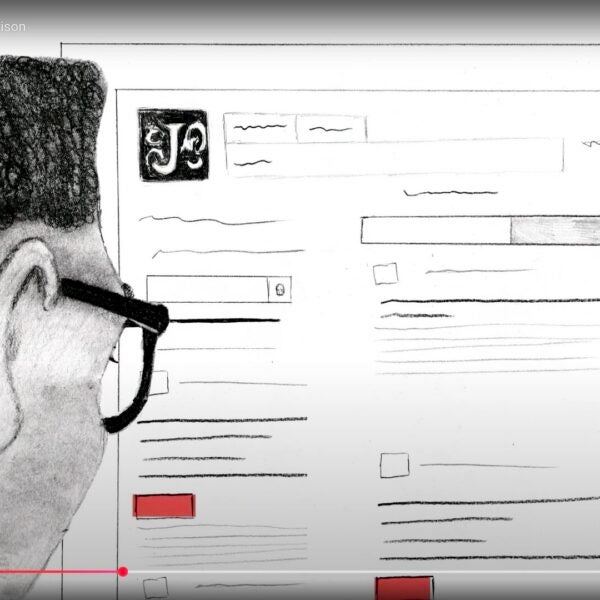
Video illustrations courtesy of Daniel Longan. April 2022.
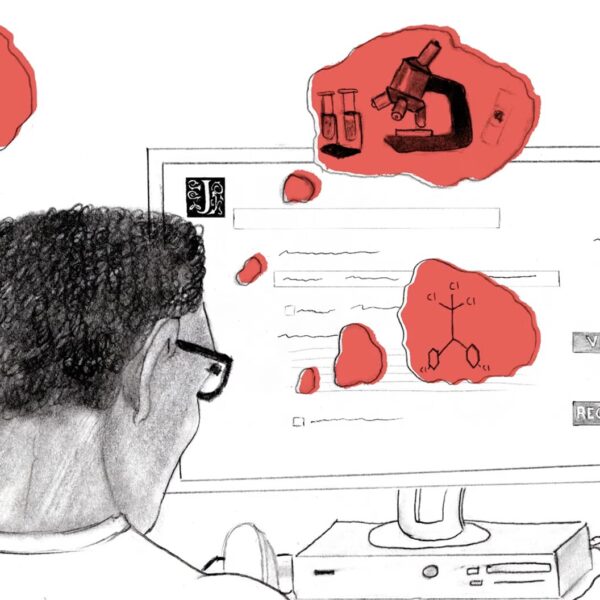
Illustration courtesy of Daniel Longan. April 2022.

Illustration courtesy of Daniel Longan. April 2022.

Photo by Allison Shelley/Complete College Photo Library