
A worldwide resource for botanical research
Global Plants is the world’s largest database of digitized plant type specimens and related materials—featuring nearly three million high-resolution images and reference works from more than 300 herbaria in over 70 countries.
About the Global Plants collection
The Global Plants database brings together type specimens, which serve as the original vouchers of plant nomenclature and provide a historical record of flora around the world. The collection consists of 66 sub-collections contributed by herbaria that have meticulously digitized their specimens with generous support from the Mellon Foundation. This resource also features partner-contributed reference works and primary sources, such as collectors’ correspondence and diaries, illustrations, and photographs.
Together, these materials create a comprehensive resource for scholars, educators, and students engaged in plant science and environmental research.
Why it matters
Global Plants ensures that critical botanical information is digitally preserved, searchable, and accessible to researchers around the world. It enables scientists to verify plant identities, study historical records, and collaborate across borders—all while safeguarding the world’s botanical heritage for future generations.
Collection highlights
- Nearly three million digitized type specimens
- 66 curated sub-collections contributed by global herbaria
- Botanical illustrations and photographs, plus collectors’ correspondence and diaries
- Reference works and books, such as The Useful Plants of West Tropical Africa and illustrations from Curtis’s Botanical Magazine
Platform features and tools
Global Plants offers a suite of tools designed for research efficiency and scientific collaboration:
- Advanced search filters for taxonomic and geographic data
- High-resolution image viewer with measuring, annotation, and saving capabilities
- Linked content from related resources, including the Biodiversity Heritage Library, Global Biodiversity Information Facility (GBIF), and Tropicos
- Commenting and discussion tools for plant taxonomists and researchers
- Stable links for reliable citation and sharing
- Compilation pages displaying all resources tied to a specific plant name or taxon
Get involved: Access, contribute, or sponsor
Herbaria and institutions can gain access to Global Plants or contribute their digitized collections to expand this critical global resource. JSTOR can help you work with your herbarium to obtain funding for access to Global Plants.
In addition, individuals, herbaria, or organizations can become Global Plants Champions by sponsoring access for institutions worldwide. Sponsorships start at $125 and help ensure equitable participation in biodiversity research. Benefits of sponsorship include:
- Supporting collaboration and data sharing across continents
- Providing affordable access for smaller or developing institutions
- Promoting diversity and inclusion in global botanical research
Looking for guidance in contributing or managing your specimens or promoting the database?
Sponsor profile: Kevin Thiele
Herbarium curator and systematist Kevin Thiele helped make Global Plants access possible across Australia and New Zealand through his leadership with the Council of Heads of Australasian Herbaria (CHAH). Learn how his efforts and collaboration with the Atlas of Living Australia expanded access and accelerated botanical research in the region.

Sponsor profile: Shelley James
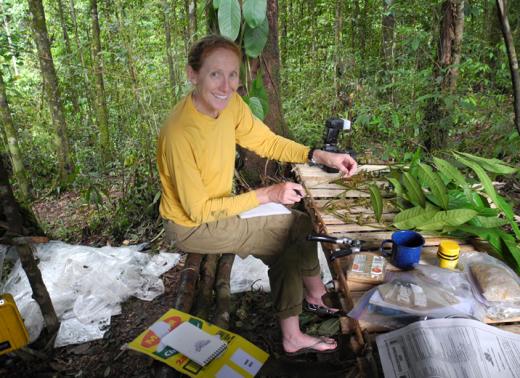
Curator and expedition leader Shelley James of the Bishop Museum’s Herbarium Pacificum (BISH) has long collaborated with the National Herbarium at the Papua New Guinea Forest Institute (LAE). Learn how her expeditions, mentorship, and sponsorship of Global Plants access are helping document and preserve Papua New Guinea’s extraordinary biodiversity.
Global collaboration and partnerships
Global Plants was made possible through the Global Plants Initiative (GPI)—an international collaboration of leading herbaria dedicated to digitizing and sharing type specimens. The initiative includes over 300 institutions in 70+ countries, with JSTOR providing technical, production, and platform support.
The project is guided by an advisory board of distinguished botanists and administrators.
The content and the tools on Global Plants are driven by leading experts around the world, including:
- Sir Peter Crane, Royal Botanic Gardens, Kew and Yale School of Forestry and Environmental Studies
- Brian Huntley, South African National Biodiversity Institute
- Peter Raven, Missouri Botanical Garden
- Gideon Smith, South African National Biodiversity Institute
- Sebsebe Demissew, The National Herbarium, Addis Ababa University
The work of the Global Plants Initiative is administered through the International Association of Plant Taxonomy (IAPT) and guided by the following steering committee members:
- Walter Berendsohn, Botanisches Museum Berlin, Germany
- Laura Brown, JSTOR, USA; David Cantrill, National Herbarium of Victoria, Australia
- Estrella Figueiredo, SANBI, South Africa
- Laurent Gautier, Botanical Garden of Geneva, Switzerland
- Sandy Knapp, The Natural History Museum, United Kingdom
- Serena Lee, Singapore Botanic Gardens, Singapore
- Chuck Miller, Missouri Botanical Garden, USA
- Geoffrey Mwachala, National Museums of Kenya, Kenya
- Helga Ochoterena, Universidad Nacional Autónoma de Mexico, Mexico
- Jeanine Velez, University of Puerto Rico-Mayaguez, Puerto Rico
Join the Global Plants community
Access, contribute, or sponsor Global Plants
Join the Global Plants community to expand access, preserve botanical heritage, and support global research collaboration.
Access, contribute, or sponsor Global Plants
Join the Global Plants community to expand access, preserve botanical heritage, and support global research collaboration.
View image credits from this page
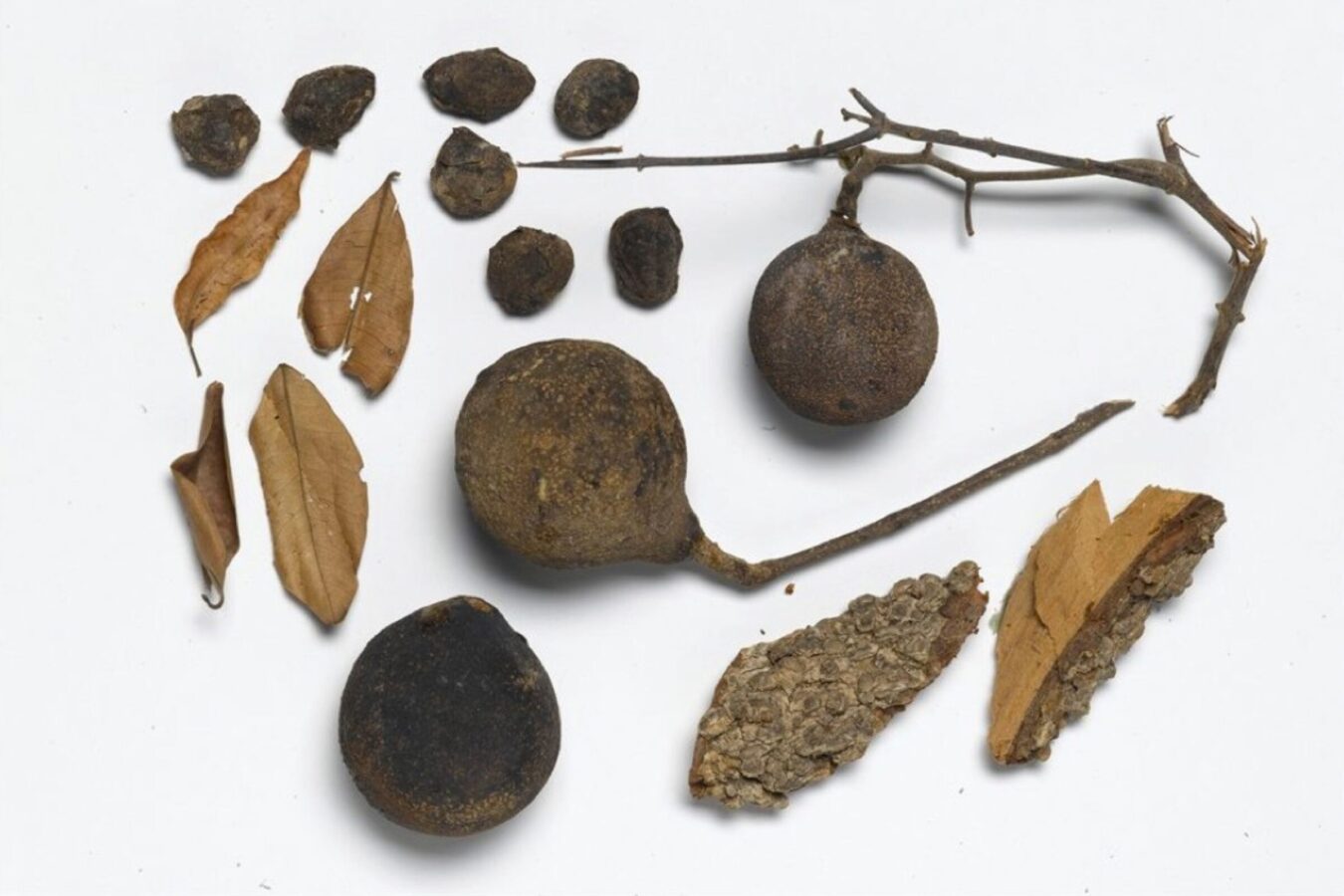
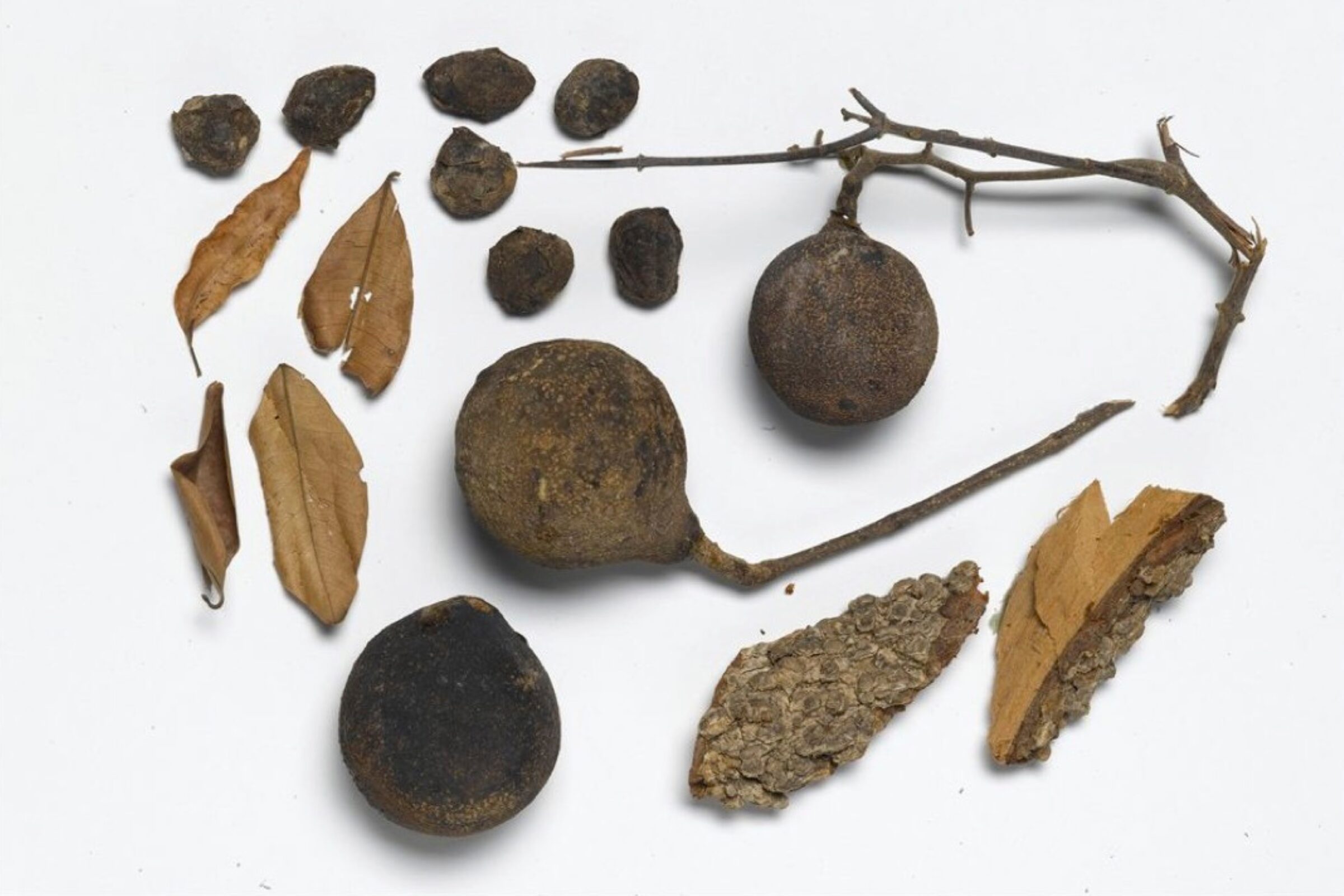
Dr. Kirk. Landolphia kirkii R.A.Dyer; fruit, seed, bark and leaves, n.d. JSTOR Global Plants.
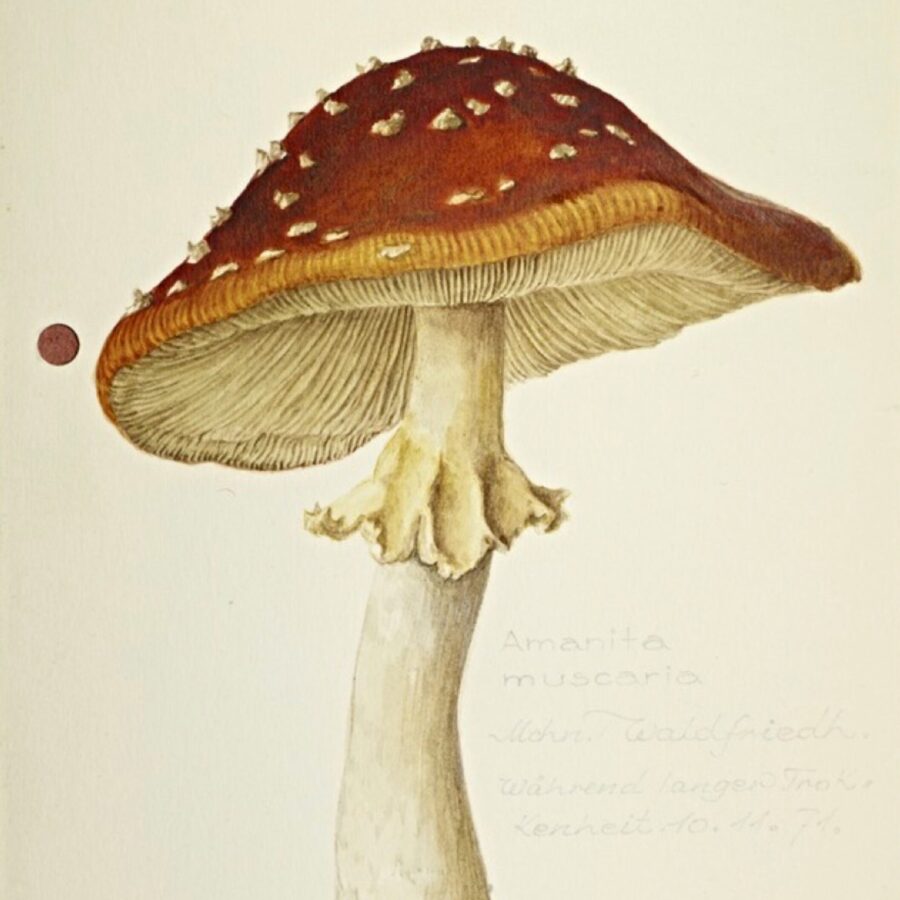
Fritz Wohlfarth. Amanita muscaria (L.) Hook. [family ]. Botanische Staatssammlung München Artwork, 1952-1977. JSTOR Global Plants.
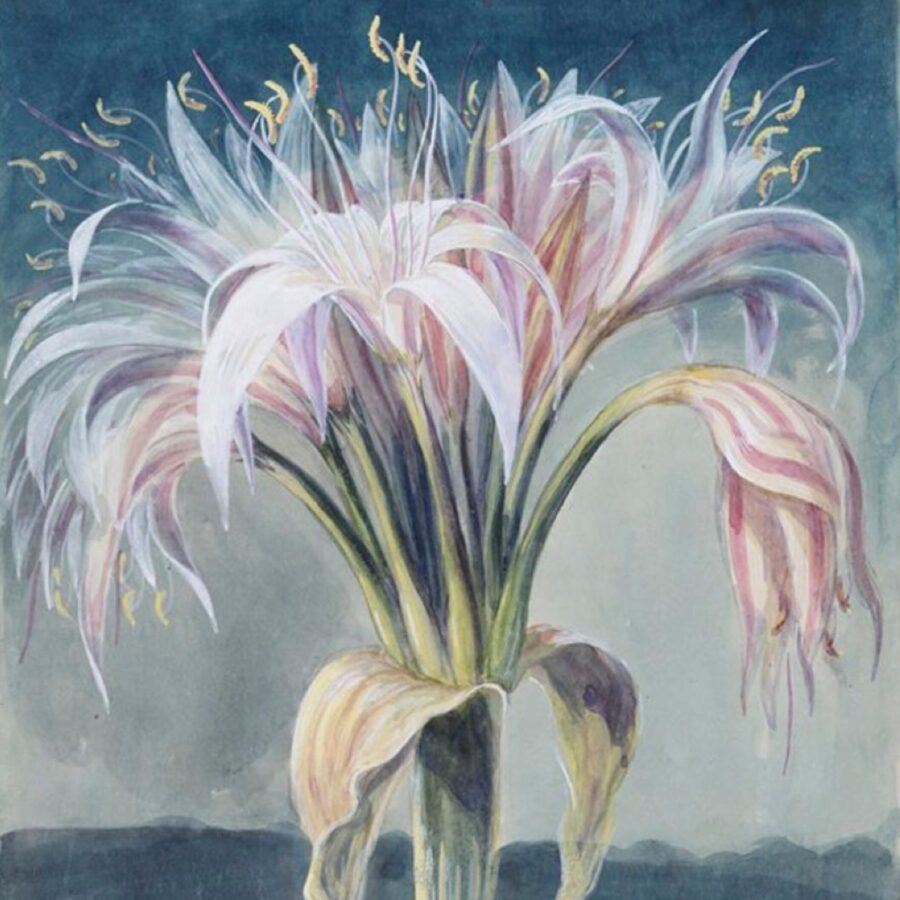
Thomas Baines. Flower on the flats at Kobis Octr. 20th 1861, 1861. JSTOR Global Plants.Thomas Baines. Flower on the flats at Kobis Octr. 20th 1861, 1861. JSTOR Global Plants.