
Level up your college readiness curriculum with Artstor on JSTOR
No deepfakes. Just trustworthy images and multimedia to boost visual learning. Visual literacy is a critical skill for college success. Artstor on JSTOR bridges the gap between traditional text-based research and powerful visual exploration, offering access to over 2 million high-quality images alongside trusted JSTOR resources.

Why Artstor on JSTOR for your school
Artstor on JSTOR offers educators and students a single, reliable platform for teaching, learning, and visual analysis.
- Diverse and interdisciplinary: Access a vast collection of over 2 million images spanning art, history, anthropology, and more.
- Credibility and context: All images are sourced from leading museums, libraries, and archives and include accurate metadata.
- Interactive learning: Zoom, compare, and create image-based presentations with built-in teaching tools.
- Seamless integration: Use Artstor within the JSTOR platform alongside scholarly journals, books, and primary sources.
Artstor on JSTOR is the perfect solution for:
- Arts and humanities classes: Deepen understanding of artistic movements, cultural artifacts, and historical periods.
- Social science courses: Analyze visual evidence alongside primary documents and research articles.
- Developing research skills: Teach students to evaluate, cite, and use visual information responsibly.
- Preparing for college: Build visual literacy and critical analysis skills essential for college-level study.
How we help your school get the most out of Artstor on JSTOR
- Librarian resources: Explore curated guides and tools to integrate Artstor into your library or classroom.
- Faculty training: Access webinars, tutorials, and case studies to help you make the most of Artstor’s teaching tools and classroom applications.
- Student support: Use interactive tools, tutorials, and our free self-paced Research Basics course to strengthen your visual literacy, research, and critical thinking skills.
Artstor on JSTOR in action
Discover stories, resources, and updates on how educators, librarians, and researchers are using Artstor on JSTOR to enrich teaching, learning, and scholarship.

Charting the course of digital art history: University of California San Diego Library from Artstor to JSTOR
Explore how UC San Diego Library built a transformative 200,000-image digital collection for Artstor, its impact over two decades, and how the Visual Arts Legacy Collection enters a new chapter on JSTOR.
Artstor promotional toolkit
Let’s get off on the right foot! Boost awareness of Artstor on JSTOR’s rich content and powerful tools with these ready-to-use resources. From eye-catching social […]
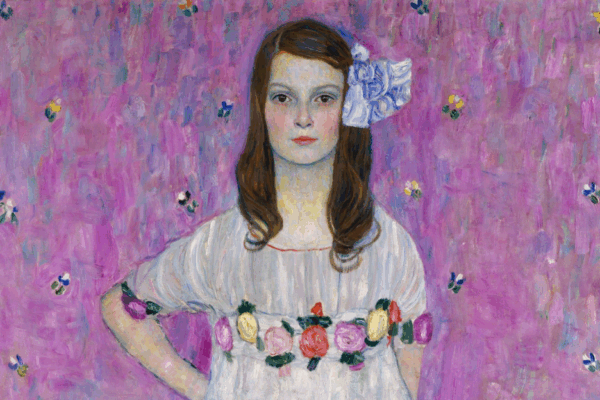
Slow art: Analyzing art in an image-saturated age
Help students slow down and truly see art in an image-saturated age. Adapted from art historian Carson Smith’s classroom project, this resource guides students in creating their own mock museum exhibitions using JSTOR and Artstor. Through “slow looking,” collaborative research, and curatorial storytelling, students practice visual analysis, connect art to cultural context, and rediscover the joy of attentive seeing.
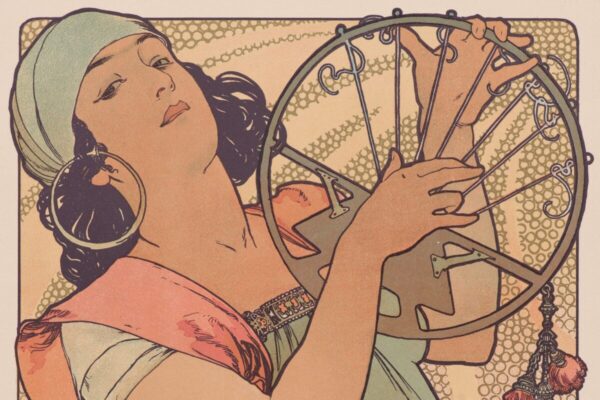
Teaching slow looking: Guiding students to engage deeply with art
Learn how a slow-looking project helps students engage deeply with artworks, build visual analysis skills, and create collaborative exhibitions using JSTOR and Artstor resources.
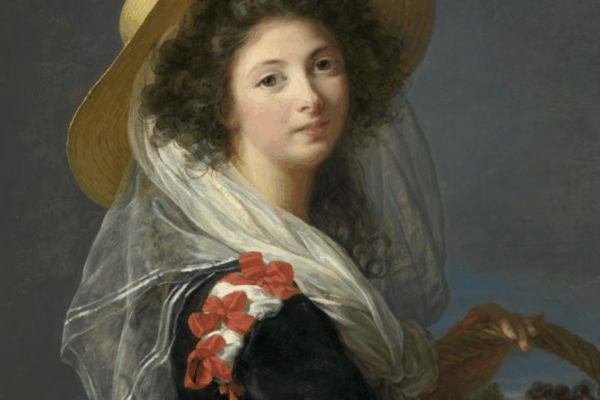
Now available on JSTOR: Highlights from the Nelson-Atkins Museum of Art
The Nelson-Atkins Museum of Art is an encyclopedic museum with collections from across the globe. The images contributed to Artstor from the museum’s over 42,000 works of art reflect the diversity of the collections and 5,000 years of human culture.
Bring the world to your classroom: Using Artstor on JSTOR for engaging virtual field trips
Discover how to create virtual field trips with Artstor on JSTOR to bring the world into your classroom. Explore ways to foster equity, visual literacy, and engagement—no travel required. Includes a ready-to-use sample lesson plan.
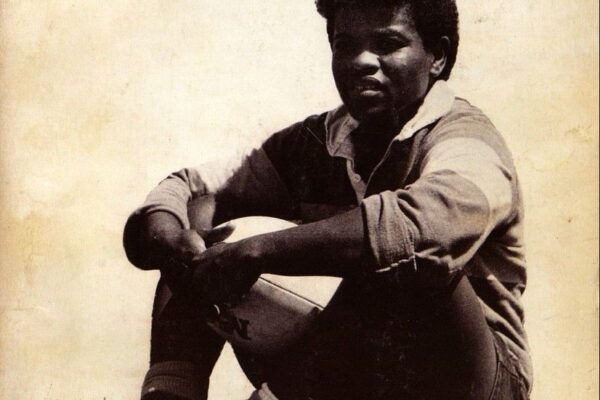
Monthly-wrap up: Spotlighting pride, prison newspapers, and a painter in June
We hope this blog post finds you with a spare moment to explore something new! June’s releases on JSTOR brought together book-length research, community newspapers, […]
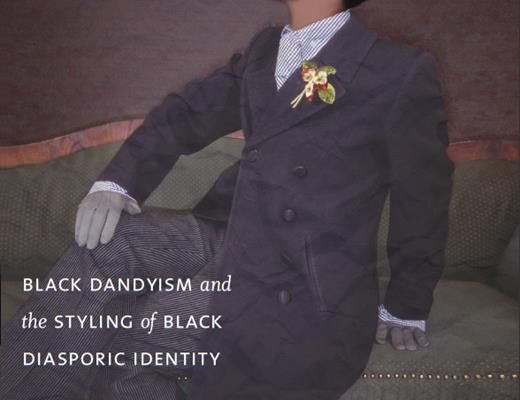
Monthly wrap-up: Maps, movements, and miniature pills in May
May’s additions to JSTOR opened new ways to engage with visual culture, political history, and everyday life.
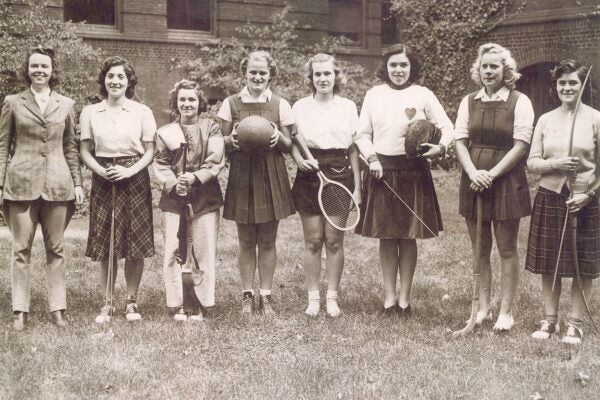
Digitally archived primary sources are imperative to higher education
What would your classroom look like if students engaged with knowledge as detectives rather than passive readers? The answers lie in digital primary sources. And education depends on how we use them.
Get started with Artstor on JSTOR
Transform your classroom with trusted, high-quality images and multimedia. Request a demo or connect with our team to learn how Artstor on JSTOR can help your students strengthen visual literacy and research skills.
View image credits from this page

Anne Weston, Francis Crick Institute. Silverfish Scales. n.d. Part of Open: Wellcome Collection, Artstor.
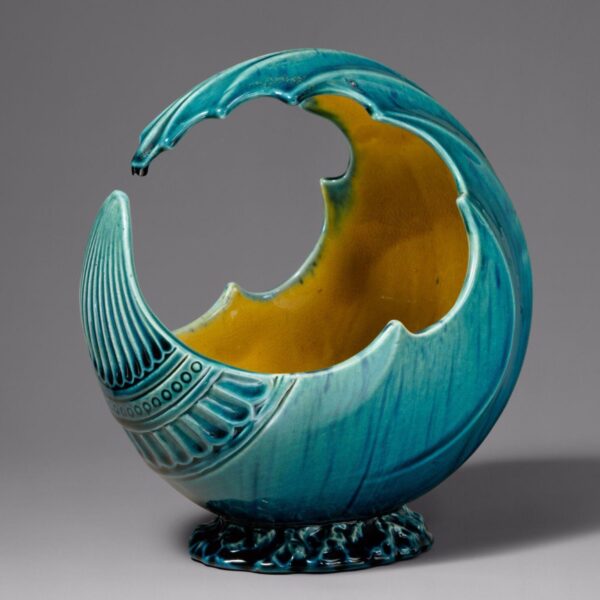
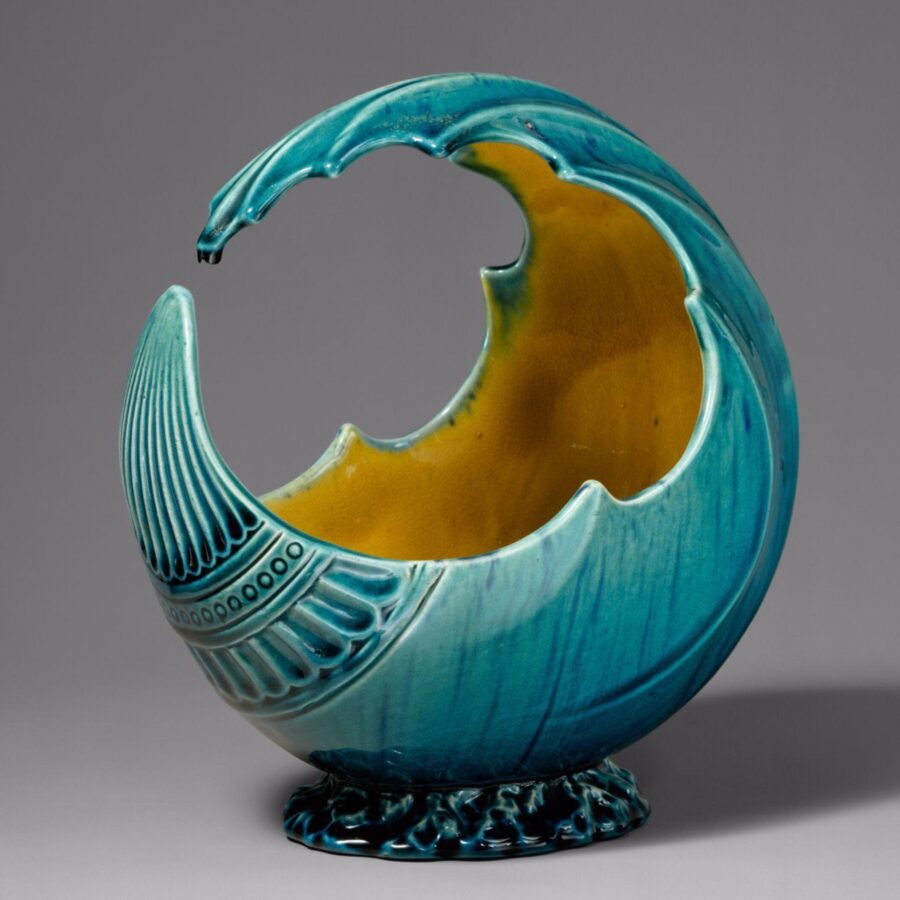
Christopher Dresser. Wave Bowl. ca. 1880. Part of Open: The Metropolitan Museum of Art, Artstor.
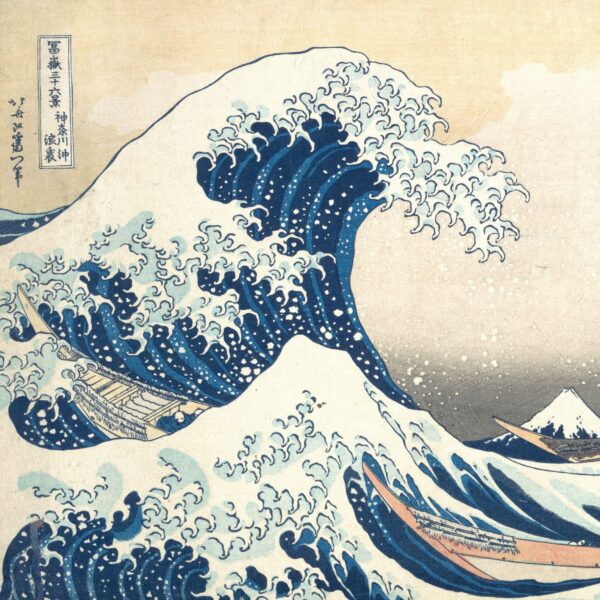
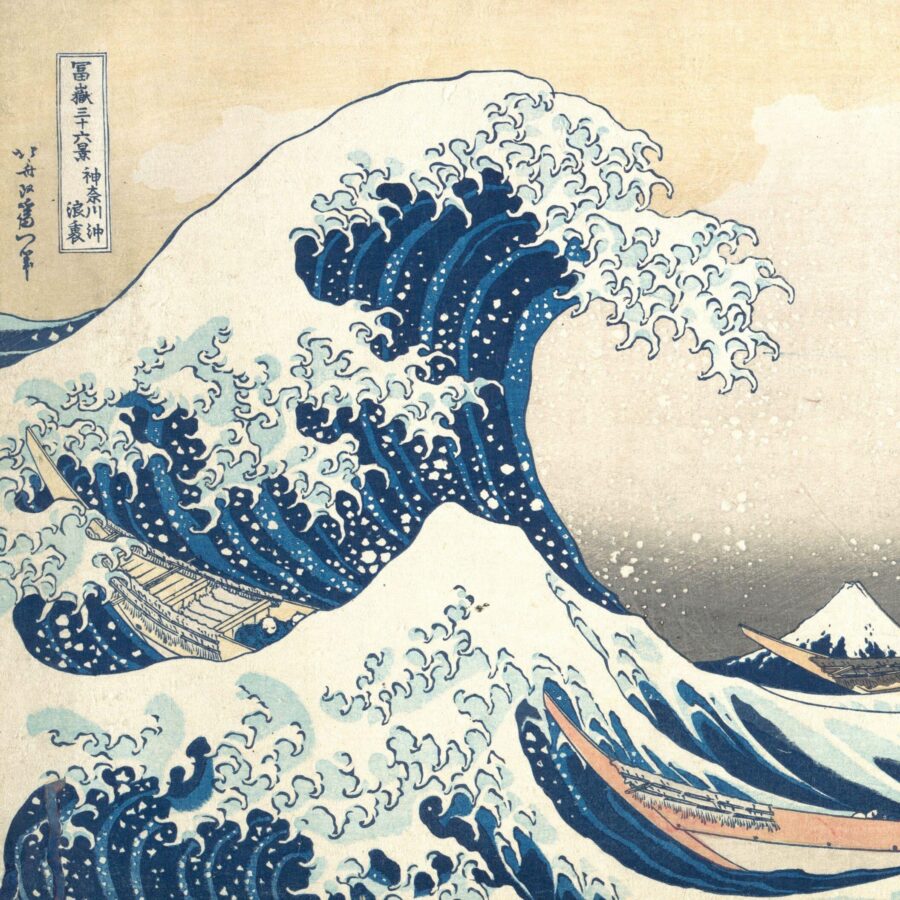
Katsushika Hokusai. Under the Wave off Kanagawa (Kanagawa Oki Nami Ura), Also Known as The Great Wave, from the Series Thirty-Six Views of Mount Fuji (Fugaku Sanjūrokkei). ca. 1830–32. Part of Open: The Metropolitan Museum of Art, Artstor.
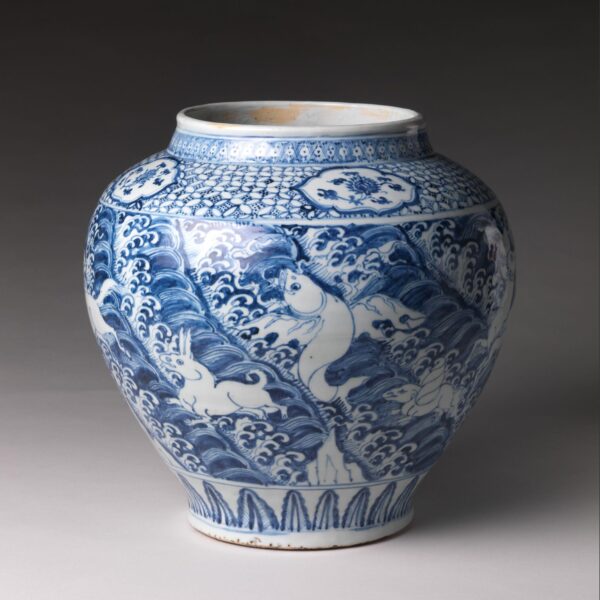
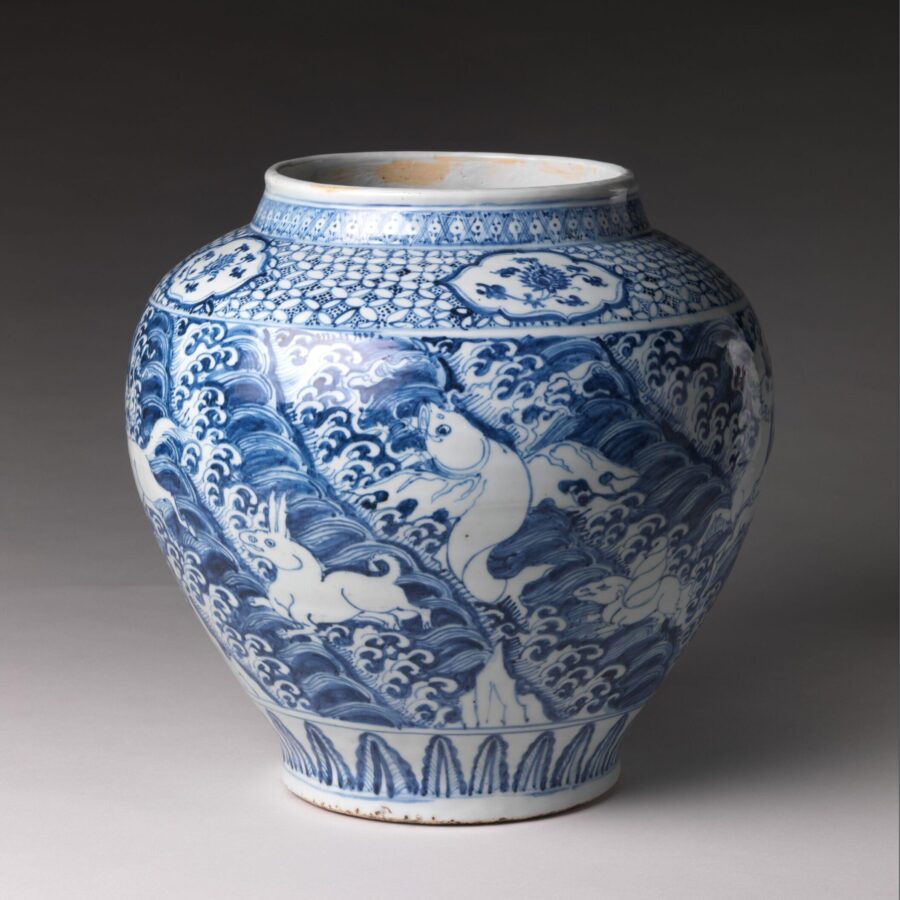
Chinese. Jar with Winged Animals over Waves. Mid-15th century. Part of Open: The Metropolitan Museum of Art, Artstor.
Get Artstor for your school
Take your students to the next level
Enhance your school’s teaching and learning with over 2 million rights-cleared academic images integrated directly with JSTOR. Support visual literacy and prepare students for college-level research—all in one trusted platform.