
Trusted, standards-based preservation for digital collections
Ensure your most valuable digital assets remain secure and usable with trusted, long-term preservation powered by Portico, and integrated within the JSTOR Digital Stewardship Services platform.
Preservation you can trust
Strengthen your preservation strategy with built-in protection from Portico: a nonprofit digital preservation archive aligned with the OAIS Reference Model and NDSA Levels of Digital Preservation, that’s trusted by thousands of libraries and publishers worldwide. Integrated directly into JSTOR Stewardship, Portico applies rigorous, community-informed policies and infrastructure to safeguard high-value digital collections for the long term.
Portico works by:
- Maintaining master files with replicas in independent storage systems
- Confirming file integrity through ongoing fixity checks
- Providing audit trails and recovery for preserved content
Safeguarding what matters
Preservation with Portico through JSTOR Stewardship automatically protects the integrity, authenticity and long-term usability of your collections—without requiring ongoing manual intervention.
| Risks of storage: | Preservation provides: | Portico ensures: |
|---|---|---|
| Irreplaceable data loss | Automated fixity checks and geographically dispersed replicas | Files remain intact and recoverable over time |
| Unclear provenance or auditability | Automated audit trail and version history | You can demonstrate authenticity and file history |
| Obsolescence or system failure | OAIS-aligned workflows and managed recovery | Collections remain usable and restorable across technology changes |
Unified asset management and digital preservation workflows
- Start preservation with a simple, user-initiated action
- Choose which projects are preserved and when
- Rely on automated replication, fixity, and audits
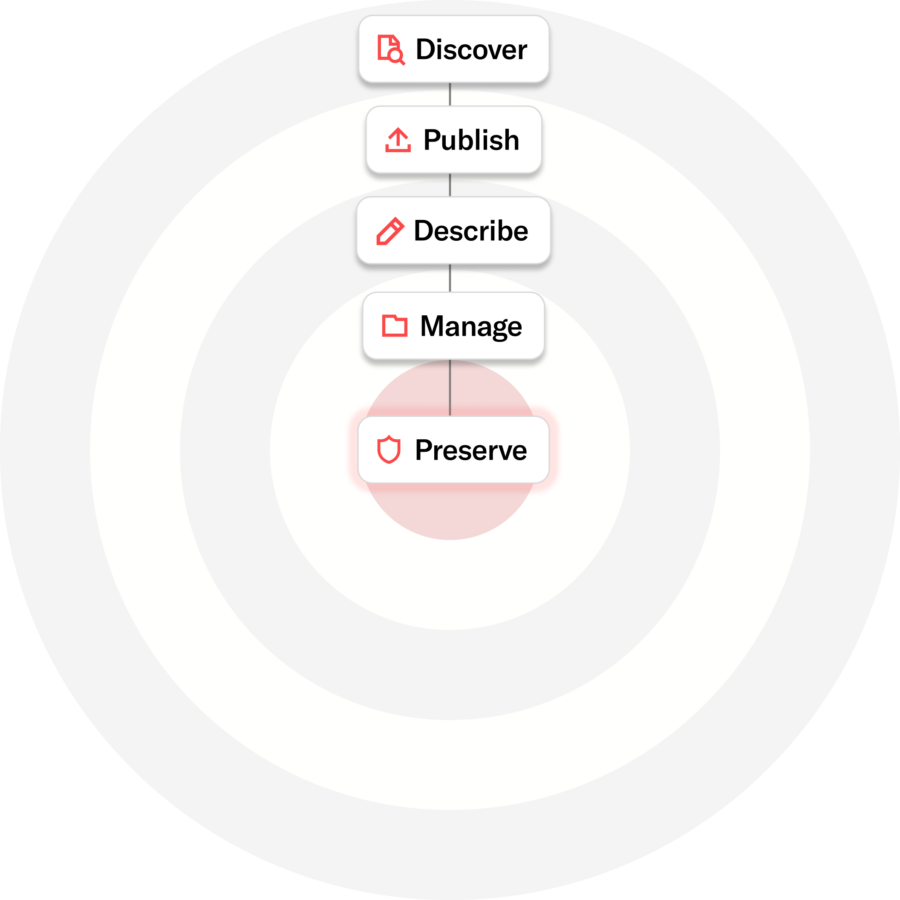
Preservation integrated into everyday stewardship
Preservation with JSTOR Stewardship goes beyond safeguarding files—it connects long-term protection with the everyday work of managing and sharing collections. Powered by Portico’s community-supported archive, and aligned with the OAIS Reference Model and NDSA Levels of Preservation guidelines, this integrated approach ensures your most valuable materials remain secure, authentic, and usable as technologies, systems, and formats evolve.
Frequently asked questions
What is the ingest process, and are there any size limits?
Preservation is initiated directly from JSTOR Digital Stewardship Services. When you choose to preserve a project, content is sent to Portico through a simple, one‑click action. Portico does not impose a fixed file size limit for preserved content; very large files can be preserved, though upload time depends on file size and network speed.
How often are fixity checks run, and how is degradation handled?
Fixity checks are run shortly after content is ingested into Portico, and on a recurring basis thereafter. If a problem is detected, the affected copy is repaired by replacing it with a verified replica, ensuring the preserved content remains intact over time.
Can I increase my preservation allowance?
Yes. Participants can purchase additional preservation storage in 1 TB increments as their needs grow.
How does preservation for digital collections differ from Portico’s journal and ebook preservation?
The underlying preservation infrastructure is the same, but workflows differ. Journal and ebook content follow specialized processes designed for those formats, including normalization to support future trigger access. Digital collections preserved through JSTOR Stewardship use streamlined workflows focused on preserving supplied files and descriptive metadata without format migration.
How can a participant see what content they have preserved in Portico?
Participants can log into Portico’s audit site to view and verify preserved content, including details about each preserved item. Access support is available through JSTOR Stewardship Support if needed.
Does Portico allow participants to view records or run reports?
Yes. Through the Portico audit site, participants can review individual records and download complete archival packages for preserved items. Limited reporting is also available, such as ingest status and file format summaries.
Are participants notified when action is taken on their files?
Preservation activities are managed automatically. Participants can review the current status of preserved content at any time via the Portico audit site.
What tools does Portico use for the preservation processes?
Portico uses a combination of purpose-built, in-house tools to manage preservation ingest and monitoring. These tools support activities such as organizing archival packages, extracting technical metadata, and managing long-term storage and integrity checks. Portico publishes details about its technical metadata practices in its preservation policies.
What processes are run on files for preservation?
When content is preserved, files and associated metadata are packaged into archival information packages (AIPs) designed for long-term management. Portico records descriptive metadata, extracts technical metadata, and prepares standardized archival packages that support integrity monitoring and future management. Specific processing steps may vary by file format.
How does preservation start in JSTOR Stewardship, and what happens next?
When you choose to preserve a project, content is sent to Portico through a simple, one‑click action. From there the content is organized into archival packages, characterized with preservation metadata, securely stored, replicated across independent locations, and monitored over time through regular integrity checks. Once ingested, preservation is managed automatically without ongoing manual action from participants.
Where are Portico’s servers located?
Portico maintains geographically distributed infrastructure. Details are documented in Portico’s published replication and backup policies.
How does Portico store and replicate preserved files?
Each preserved item is stored as a complete archival package. A primary copy is maintained and replicated to additional geographically dispersed, independent storage locations to protect against data loss.
When are updates sent to Portico, and how is versioning handled?
Once preservation is enabled, new content and updates are automatically sent from JSTOR Digital Stewardship Services to Portico on a regular schedule. When updates occur, Portico adds a copy of all files as a new version of the content, rather than overwriting the original. All versions are retained in the item’s archival package, providing a clear preservation history and assurance that earlier versions remain available if needed.
Are there considerations for format migration?
For digital collections preserved through JSTOR Stewardship, formats are not automatically migrated. Portico monitors formats over time and publishes its approach through its preservation policies.
Does the level of preservation vary for different types of content?
Preservation workflows are consistent across content types, with some variation in technical metadata extraction depending on file format. Journal and ebook content may undergo additional steps due to their access requirements.
What happens if a participant deletes an item from a preserved project?
Removing content from JSTOR Stewardship does not remove it from preservation. Requests to remove preserved content from Portico must be made separately and can be done a limited number of times per year.
Learn more about preservation with JSTOR
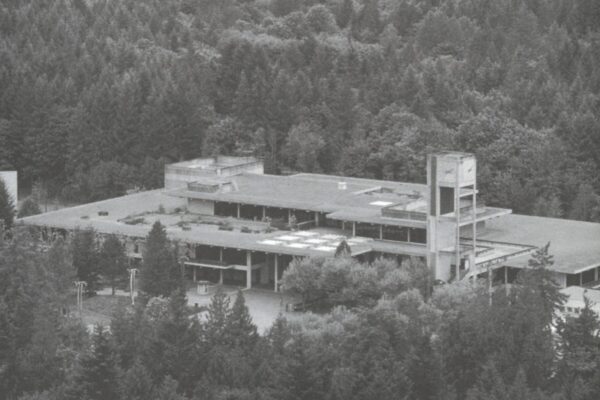
How The Evergreen State College modernized digital stewardship with JSTOR
Facing growing preservation needs and limited staff capacity, Evergreen State College migrated from Omeka to JSTOR Digital Stewardship Services for sustainable, long-term stewardship.
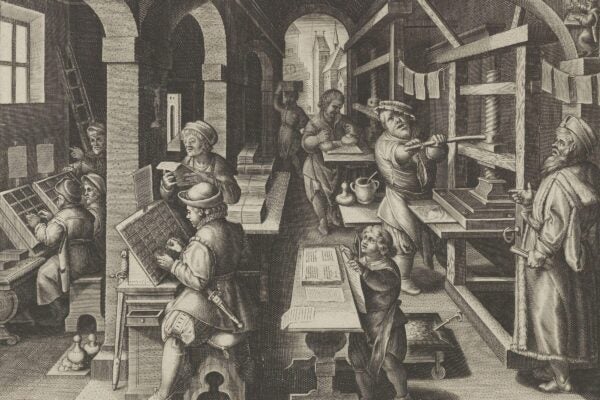
A new model for scholarly ebooks: Publisher Collections built with, and for, librarians and publishers, to serve readers today and tomorrow
A new nonprofit-led model from JSTOR offers libraries and publishers a more sustainable, equitable, and integrated ecosystem for scholarly ebooks.
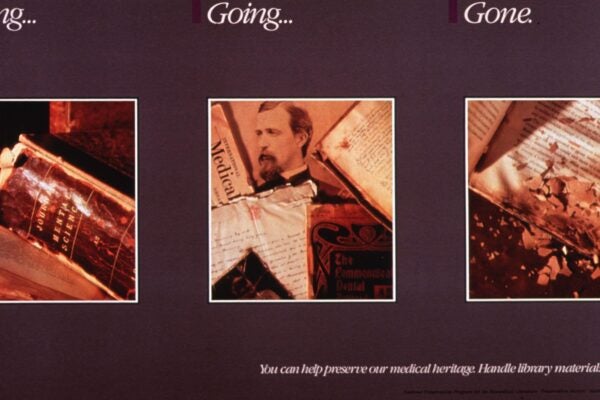
Guidance for special collections preservation: Using JSTOR Digital Stewardship Services to support your long-term goals
Preserving digital collections is essential to safeguarding cultural memory. Discover how JSTOR’s Digital Stewardship Services help libraries and archives maintain accessible, durable, and meaningful collections for generations to come.

Funding opportunities for libraries, archives, and special collections: May–December 2025
We’ve gathered some of the most reliable grants that prioritize digitization, collection development, preservation, access, open educational resources (OER), and new technologies.
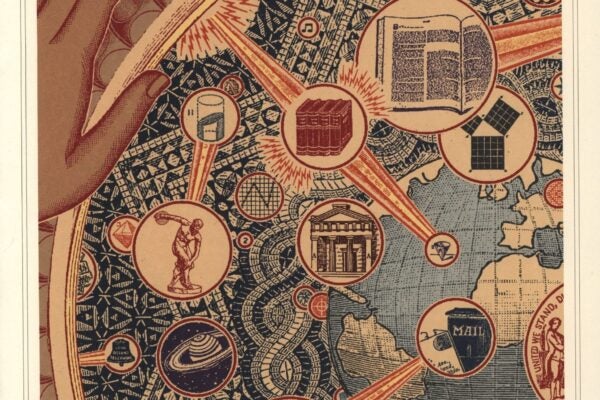
30 years of JSTOR: How a library shelf crisis sparked a global archive
In 1995, JSTOR launched with a mission that felt radical at the time: digitize scholarly journals and make them accessible online to researchers and educators everywhere.
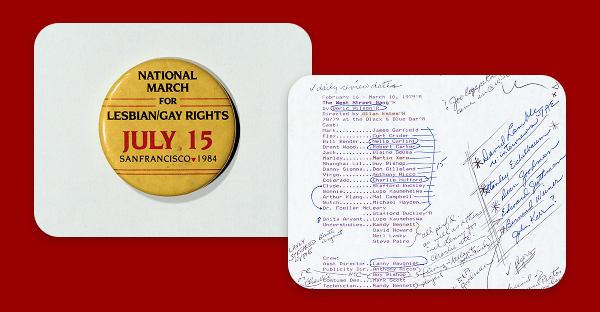
Bringing hidden histories to light: An archivist reflects on AI, archives, and the future of digital stewardship
An archivist explores how AI can help surface hidden histories, improve metadata, and support digital stewardship while emphasizing the need for human expertise in shaping archival narratives.
Grant opportunities for libraries to digitize, describe, and preserve collections in 2025
Highlighting key 2025 grant opportunities for libraries to digitize, preserve, and describe collections, including funding for audiovisual materials and community archives. Deadlines and award amounts vary, offering multiple pathways for support.
Preservation is paramount: What news websites can do to ensure their legacy when the lights go out
The recent removal of news archives like MTV News raises concerns about preserving valuable digital content. Media companies must plan for digital preservation to ensure access to historically significant materials. Portico outlines key steps, including secure storage, regular backups, and engaging experts to safeguard content. A new Portico pilot project is exploring long-term preservation of local news content. Collaboration is essential to protecting the cultural and social history that journalism provides.
Embarking on Project Odyssey: A journey to transform digital collection stewardship
ITHAKA innovates with Project Odyssey using generative AI to help libraries process digital collections efficiently by automating metadata creation, addressing bottlenecks, and reducing backlog.
Learn about long-term preservation
Learn how preservation with JSTOR Stewardship can support your institution’s goals.
Talk to our team
Learn about long-term preservation
Learn how preservation with JSTOR Stewardship can support your institution’s goals.