
Expand your collections’ reach with a trusted nonprofit partner
Join a global network of cultural heritage institutions dedicated to advancing knowledge and inspiring discovery. By contributing your digital collections to Artstor on JSTOR at no cost, you help broaden access to scholarly resources while preserving your institution’s legacy.
Why contribute to Artstor on JSTOR
Trusted by leading institutions
For over two decades, Artstor has partnered with museums, libraries, and archives to make visual resources more accessible. With over 2 million rights-cleared images and multimedia, we ensure your assets are shared securely and responsibly.
Reach a global audience
JSTOR connects your collections with thousands of institutions worldwide, supporting teaching and research across disciplines. In 2023, Artstor-licensed content received over 4.7 million views.
Enhance discoverability and usability
Artstor on JSTOR integrates seamlessly with JSTOR’s text-based content, allowing users to search across images, journals, and books in one platform. This unified discovery experience increases visibility and impact for your collections.
A flexible, non-exclusive partnership
Sharing your collections on Artstor is non-exclusive. You retain full rights to distribute your materials elsewhere, including on your own website or through commercial platforms.
Mission-driven collaboration
As part of ITHAKA, a nonprofit organization, Artstor on JSTOR supports equitable and sustainable access to knowledge. Contributing aligns your institution with a mission-centered community advancing global scholarship.
Access usage insights
Track engagement through detailed analytics and traffic metrics. Usage reports and links back to your site highlight how your collections are being discovered and cited.
How to contribute
- Review our content guidelines for contributors.
- Submit a brief summary of your proposed content.
- Upon acceptance, sign the licensing agreement.
- Transfer your digital assets and receive guidance throughout the process.
Contribution guidelines
Rights
Contributors must own or represent rights to the works, the photographic rights to the image of the work, or both.
Artstor on JSTOR collections are intended for educational and scholarly use under JSTOR’s Terms and Conditions of Use.
We review rights information and assist contributors in evaluating eligibility.
Metadata policy
Artstor contributors are diverse and interdisciplinary, resulting in a wide range of metadata standards, structures, and purposes. We prioritize preserving data integrity, except in cases of clear factual errors, as we consider our contributors to be subject matter experts in their fields. To ensure a consistent user experience at the asset level, we map contributed metadata to an internal template based on the Visual Resource Association Core (VRA Core) schema.
Format
Artstor accepts a variety of media, including images, video, audio, panorama, and PDF files. Given the tools now available to our users, the best results for digital images are those that are not compressed (such as tiffs), are high-resolution (300ppi and above) and are at least 3,000 pixels in length or width. At a minimum, we accept low-resolution images (at 72ppi) at least 1032 pixels in length or width that may use a form of compression (such as JPGs).
Metadata enhancements
Artstor on JSTOR enables all licensed collections to be searched and browsed and/or sorted by object-type classification, geography, and earliest and latest date. The classification terms are applied from an in-house controlled list; country terms derive from the Getty Research Institute’s Thesaurus of Geographic Names (TGN); and numeric earliest and latest dates are applied to each asset. These enhancements improve discovery across JSTOR without altering contributor data.
View image credits from this page
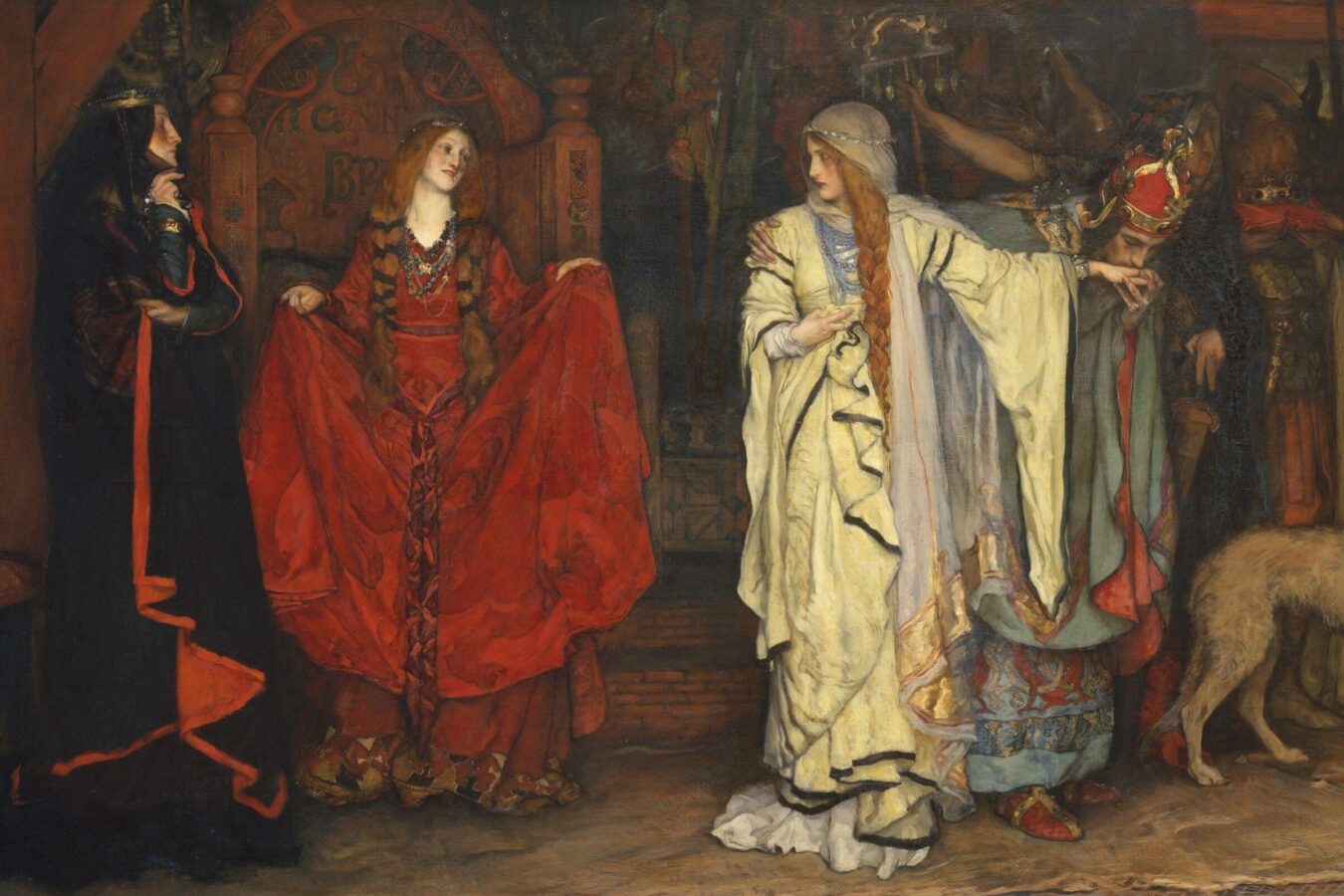
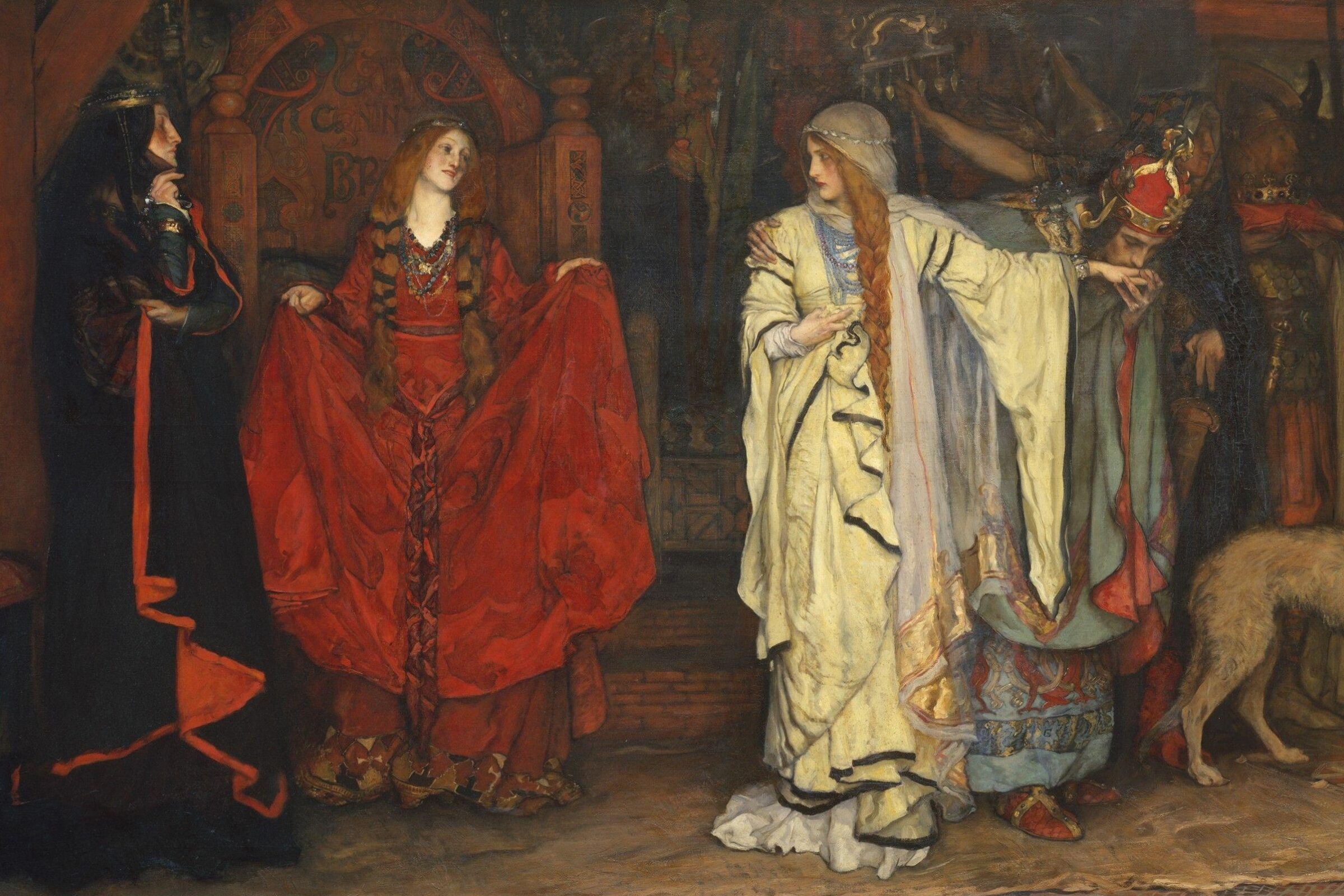
Edwin Austin Abbey. “King Lear,” Act I, Scene I. 1898. Part of Open: The Metropolitan Museum of Art, Artstor.
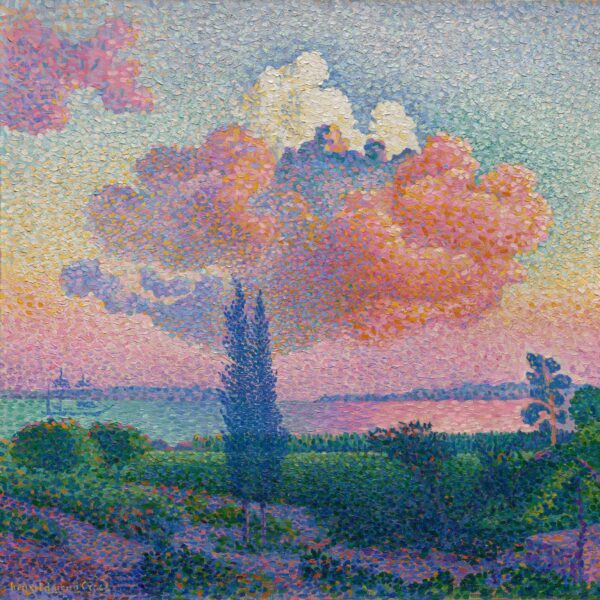
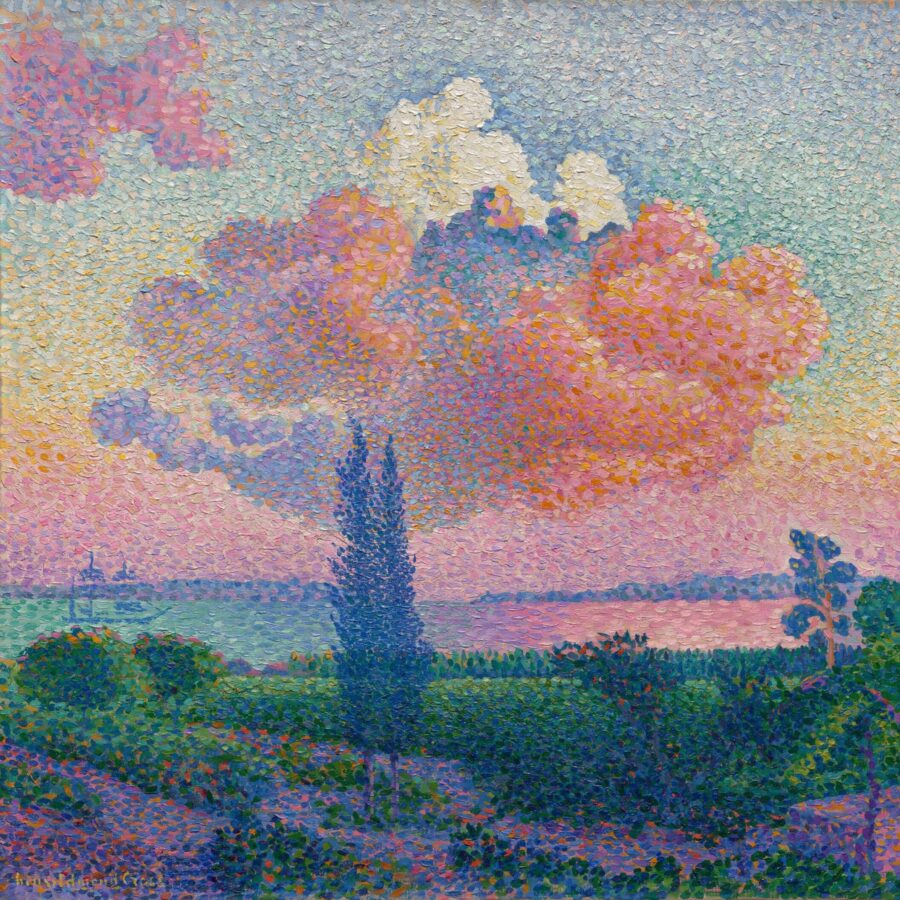
Henri-Edmond Cross. The Pink Cloud. c. 1896. Part of Open: The Cleveland Museum of Art, Artstor.
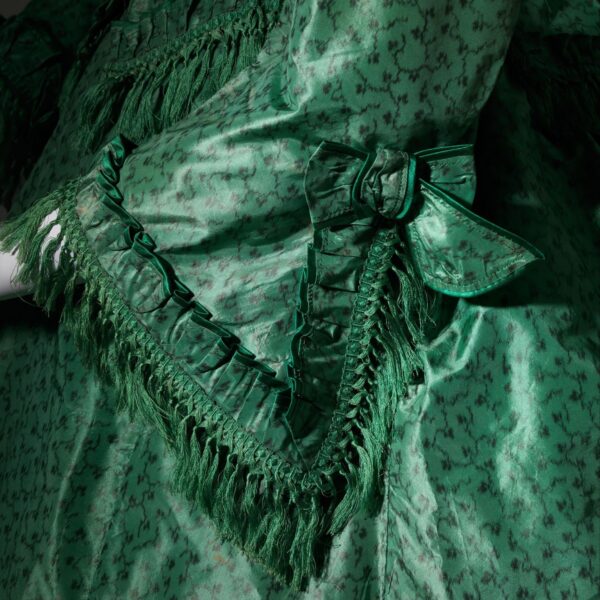
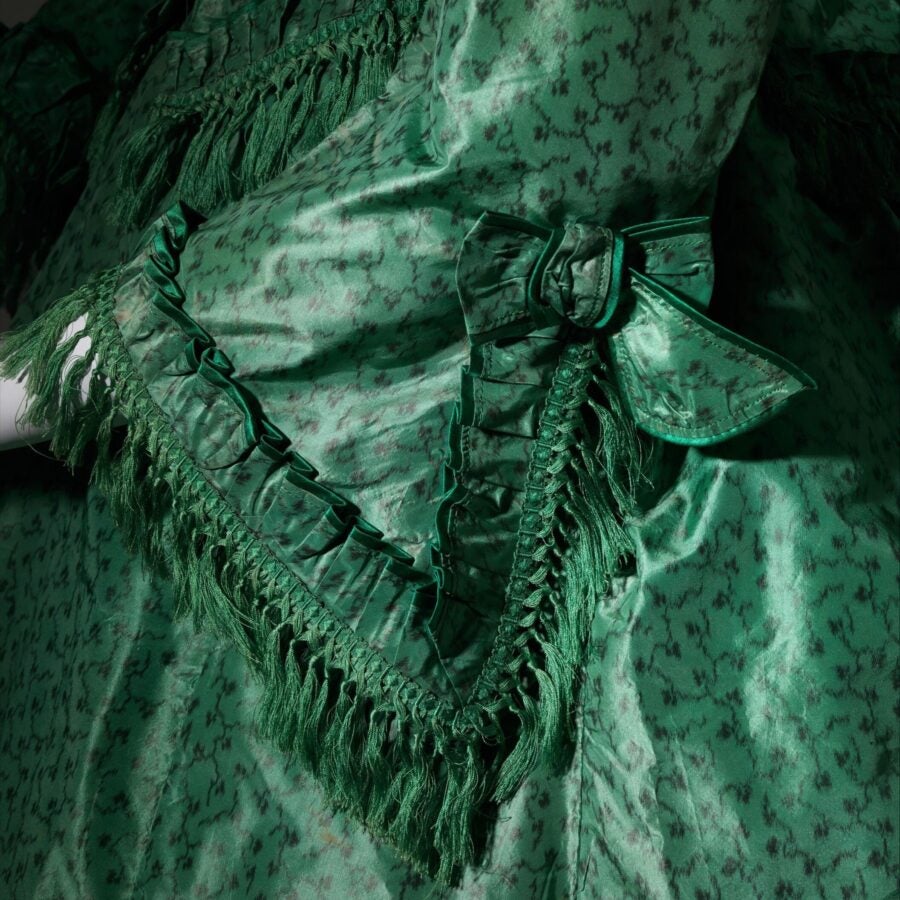
British. Dress. ca. 1870. Part of Open: The Metropolitan Museum of Art, Artstor.
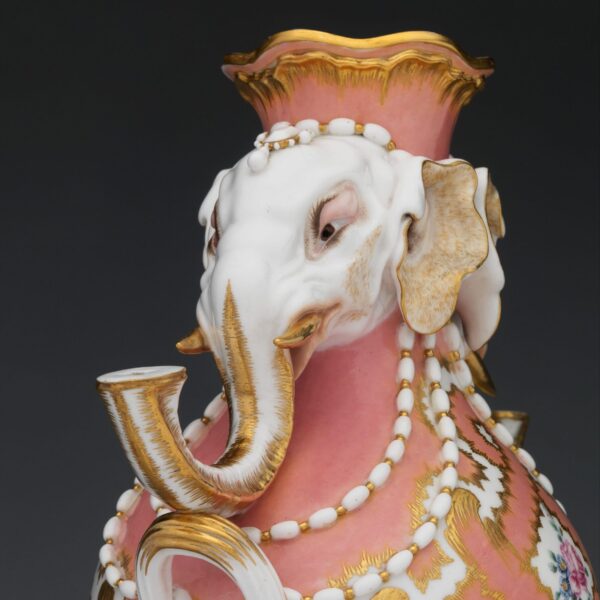
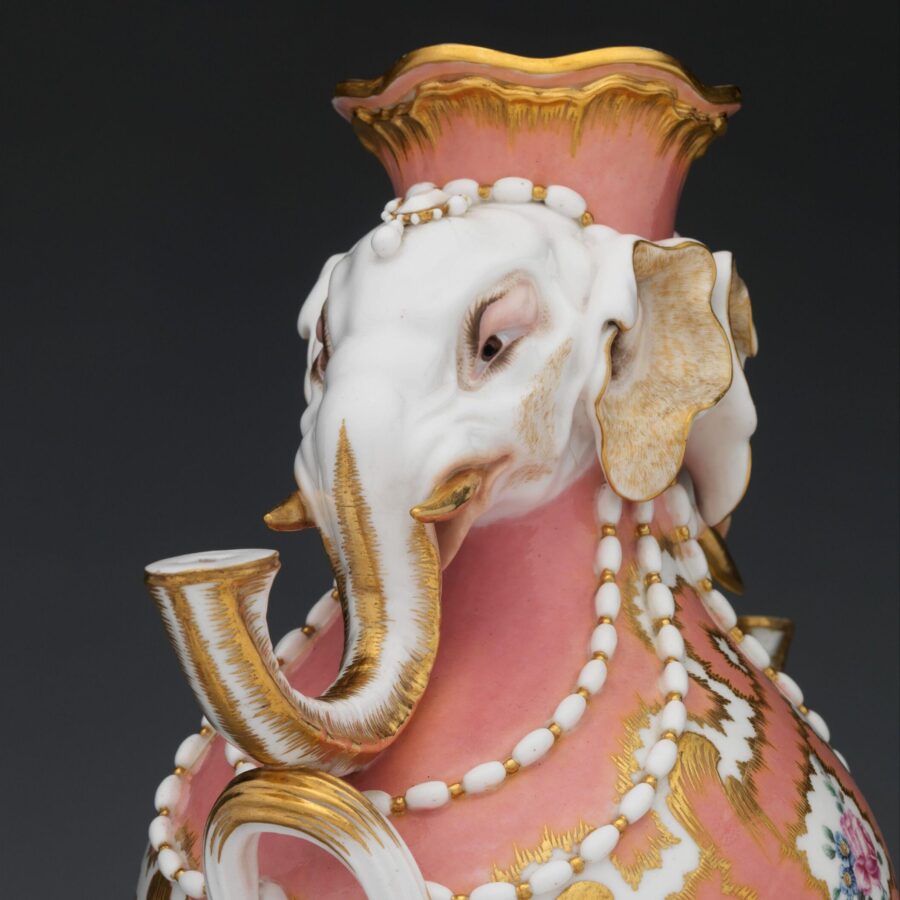
Jean-Claude Duplessis and Sèvres Manufactory. Vase (Vase à Tête d’éléphant) (One of a Pair). ca. 1758. Part of Open: The Metropolitan Museum of Art, Artstor.