
An expansive collection of visual materials to inspire research
Artstor on JSTOR lets you access millions of curated, cross-disciplinary, rights-cleared images and multimedia from around the world–all discoverable alongside JSTOR’s journals, books, and other primary sources.
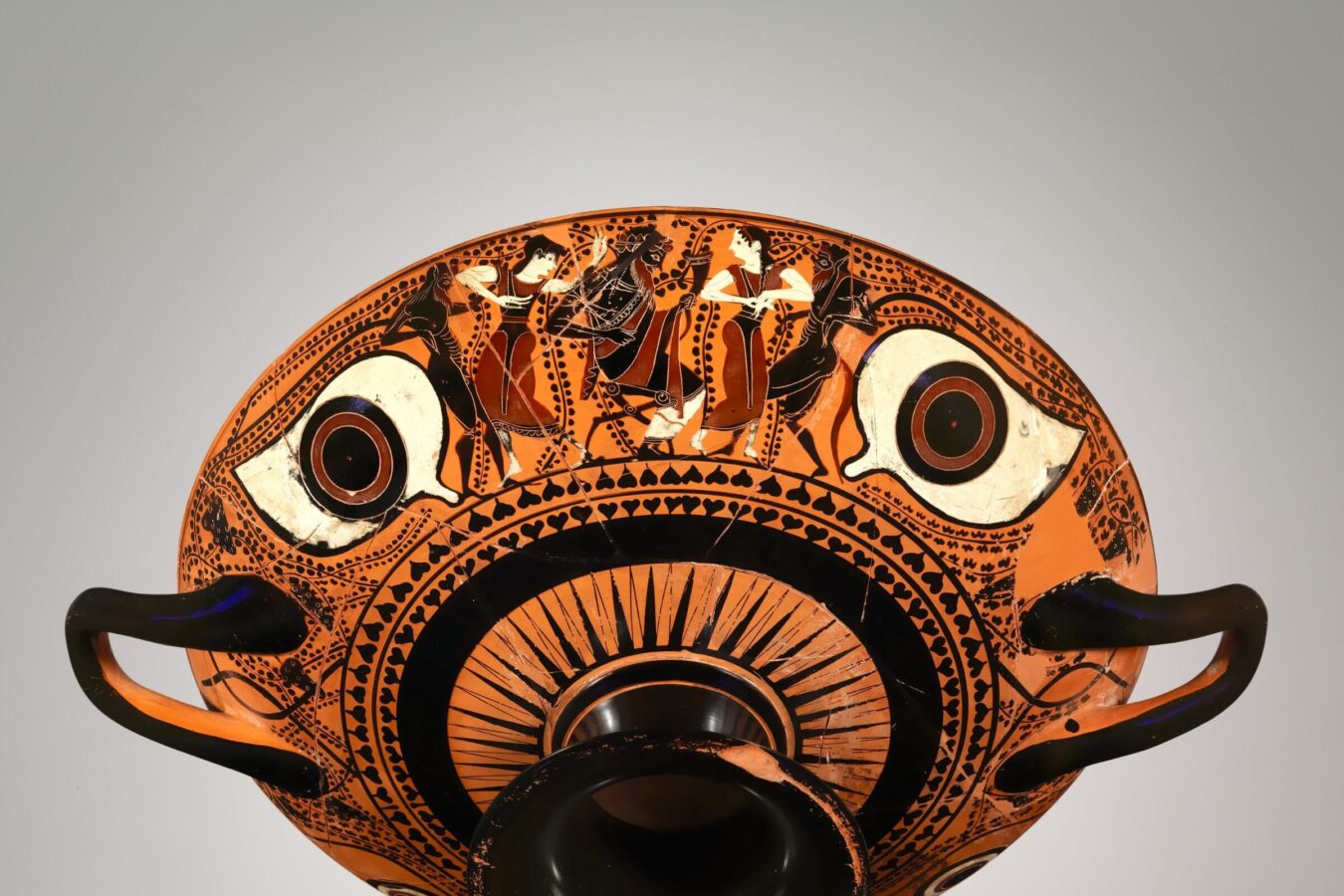
2M+
Rights-cleared images and multimedia*
300+
Curated collections across disciplines
825K+
Open access items from museums, libraries, and archives
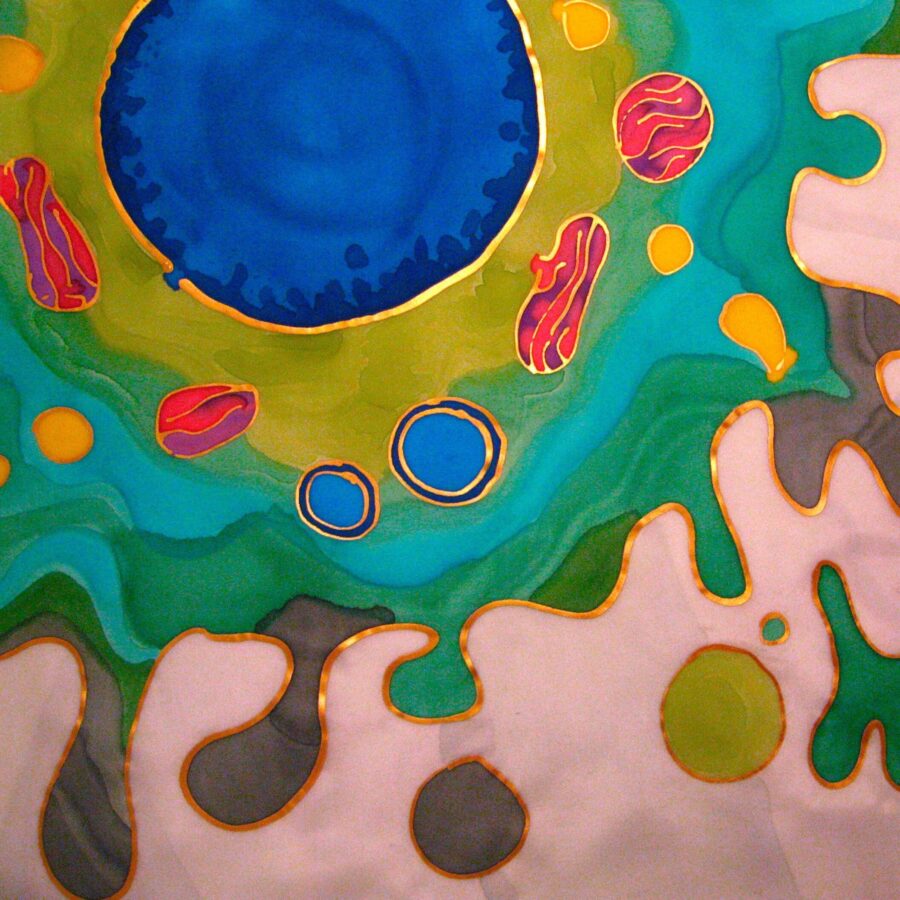
Artstor on JSTOR offers seamless workflows to help:
- Students build critical visual literacy skills
- Researchers engage with diverse avenues of content
- Educators boost the depth and quality of lesson plans
- Users find connections between images and extensive scholarly content
Trustworthy, rights-cleared, and scholarly
Enhance learning
All content is free to use in classrooms, handouts, presentations, student assignments, and other noncommercial scholarly activities.
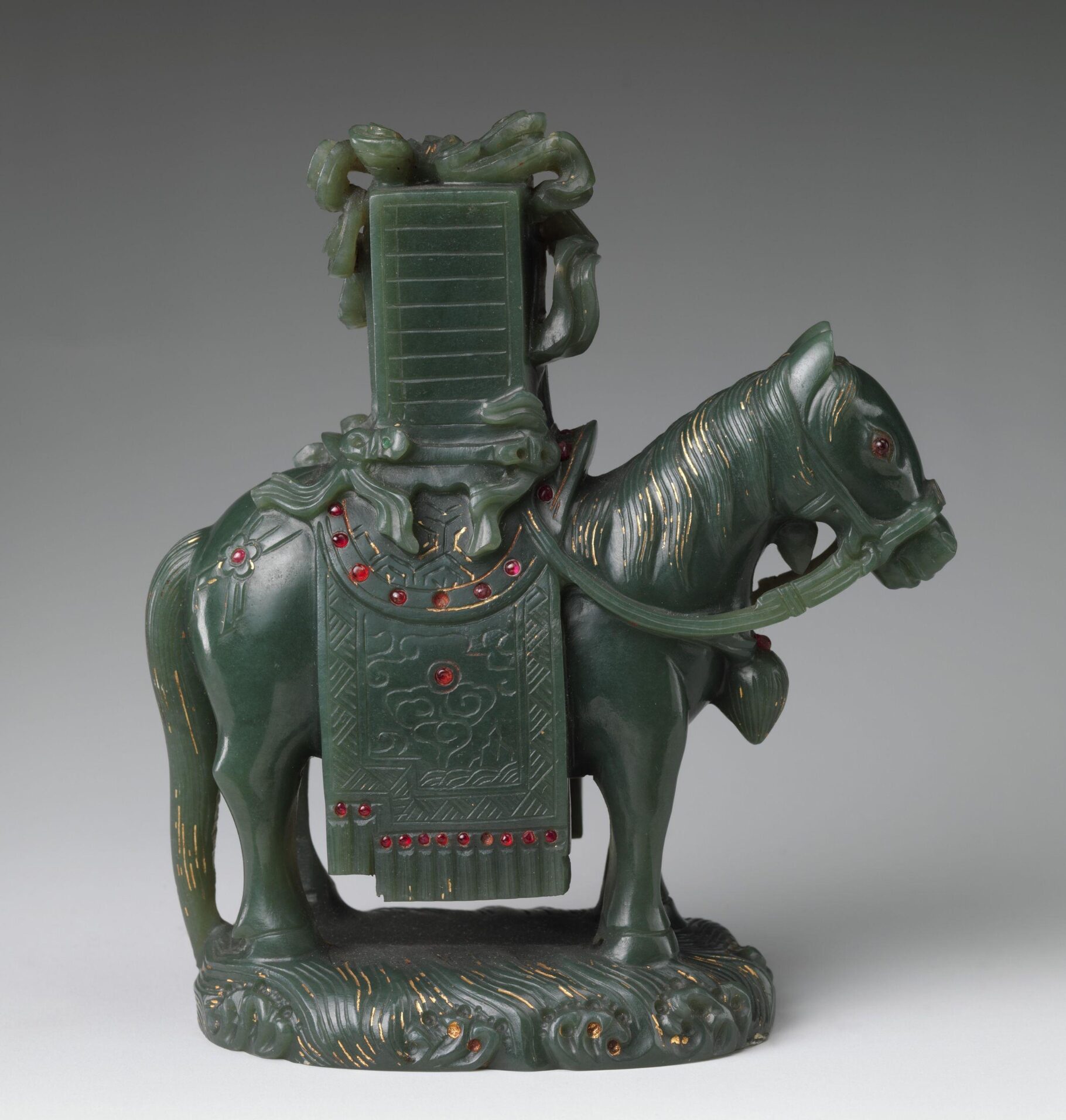
Reference authoritative metadata
Artstor media contains contributor-supplied metadata to provide depth and accuracy beyond what’s offered by commercial search engines.
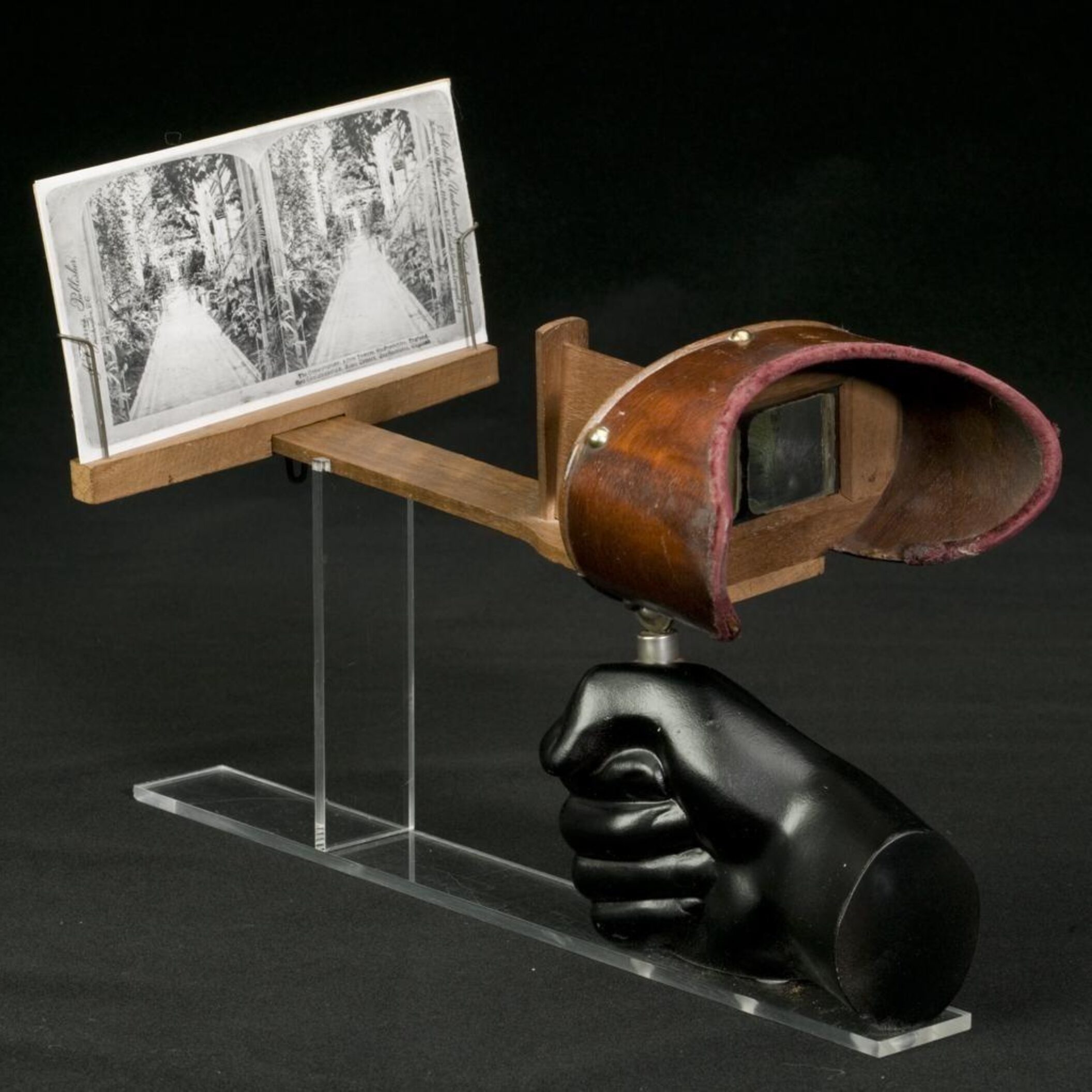
Make innovative connections
Each collection is carefully curated from reliable sources, and integrated alongside JSTOR’s full-text and media content to provide meaningful historical, critical, and cultural context.
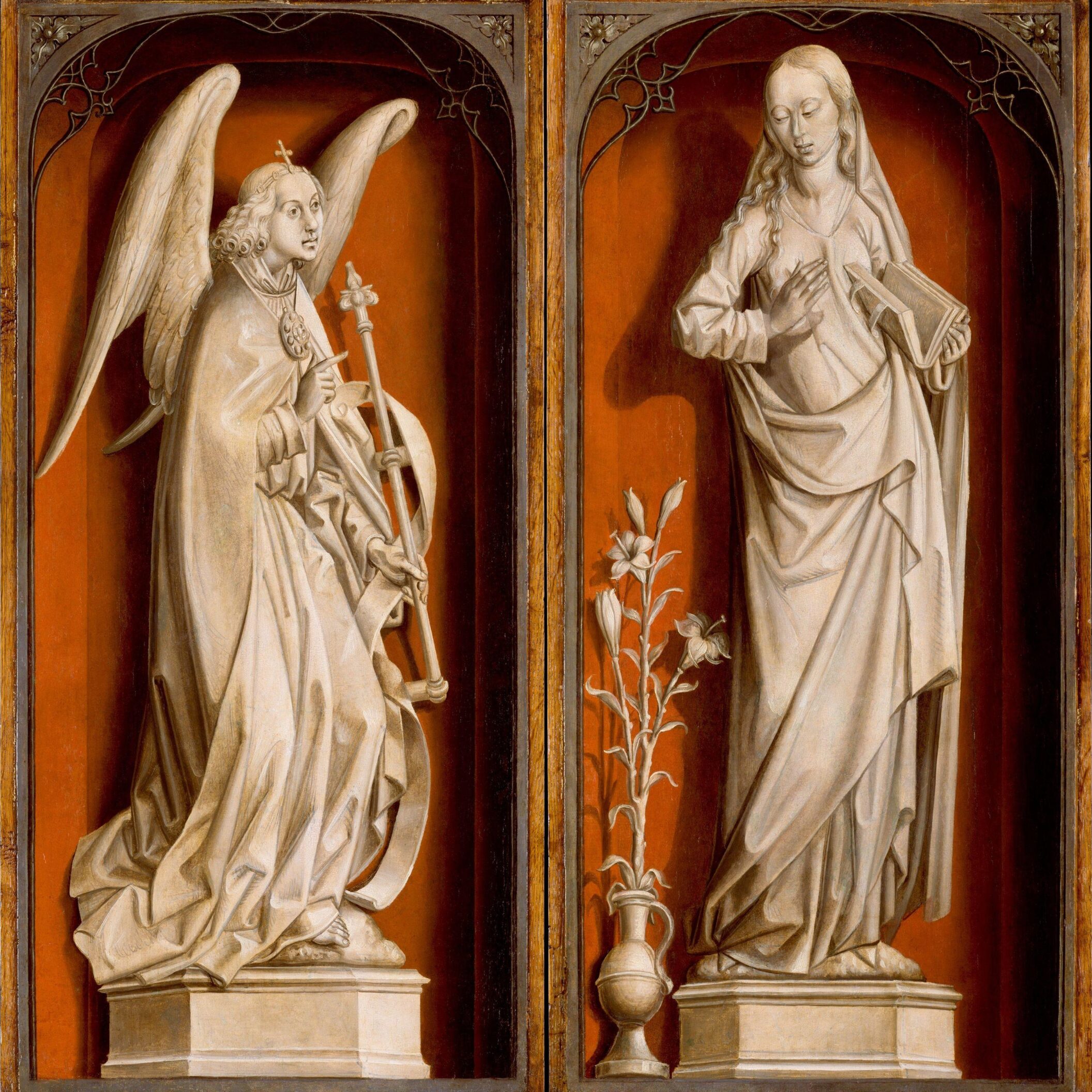
Wide-ranging, interdisciplinary, and expansive
Artstor on JSTOR supports and enriches study across disciplines, time periods and global contexts. Highlights include:
- Magnum Photos: Historical and current events from the acclaimed, international photographic cooperative
- Réunion des Musées Nationaux (RMN): Major works from French national museums
- Erich Lessing Culture and Fine Art Archives: Architecture from noted photojournalist and art photographer
Enhanced features for interacting with content
Get closer
Examine images side-by-side or zoom in to explore them in detail.
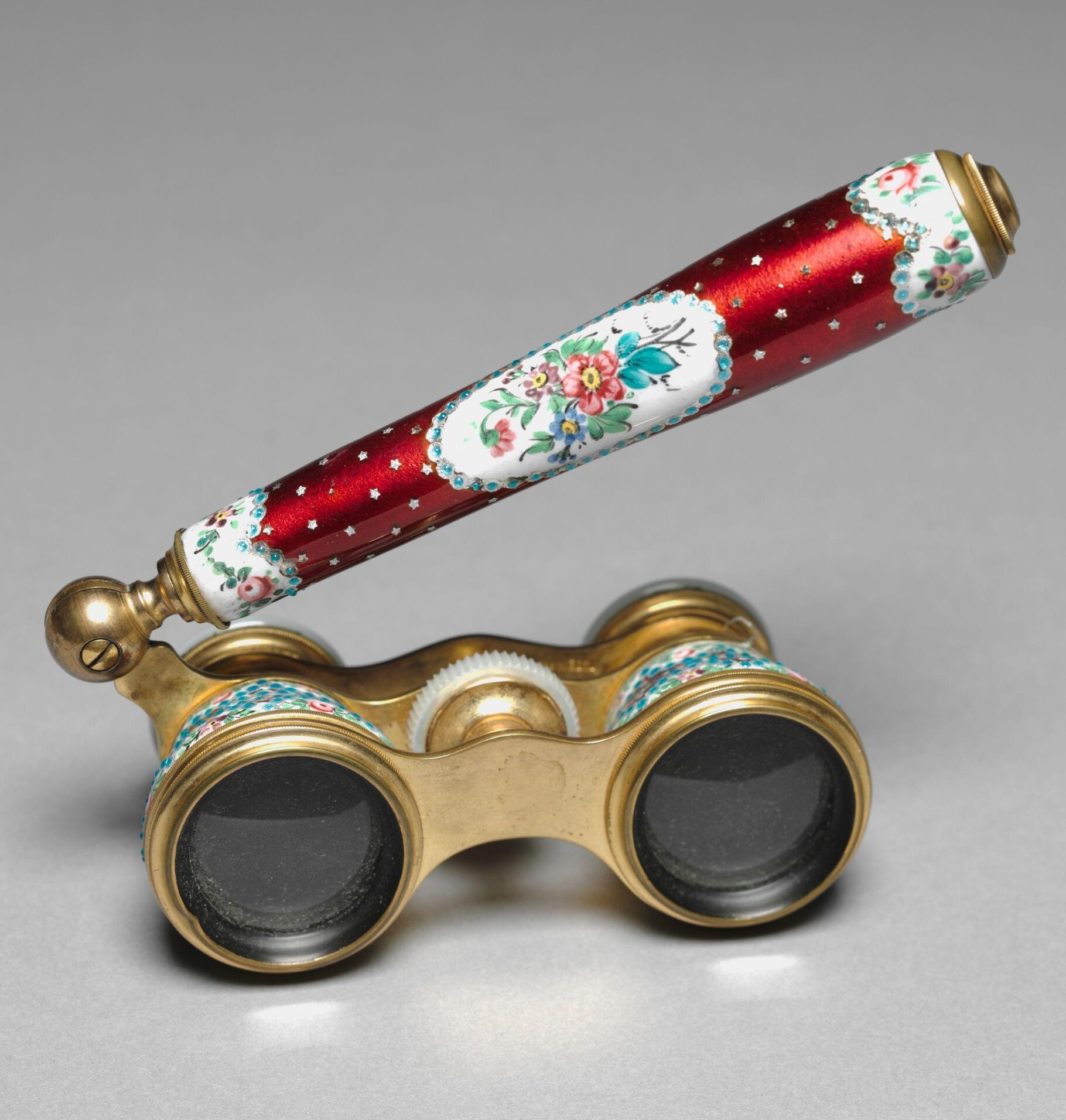
Make deeper connections
Expand your search options to include all content types across media, or focus on just one.
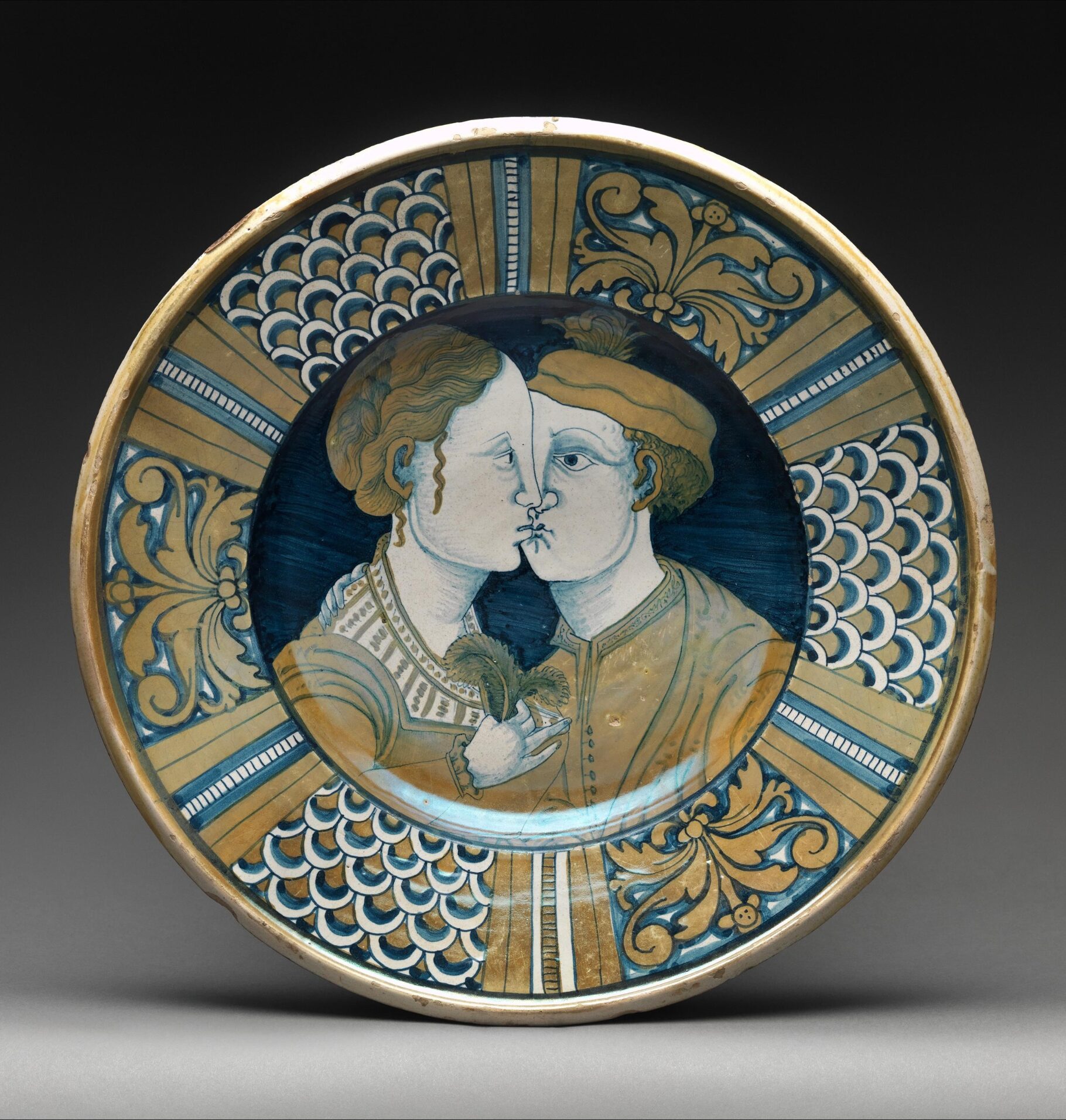
Save with ease
Use your JSTOR Workspace to save and organize text and images by project, subject, and much more.
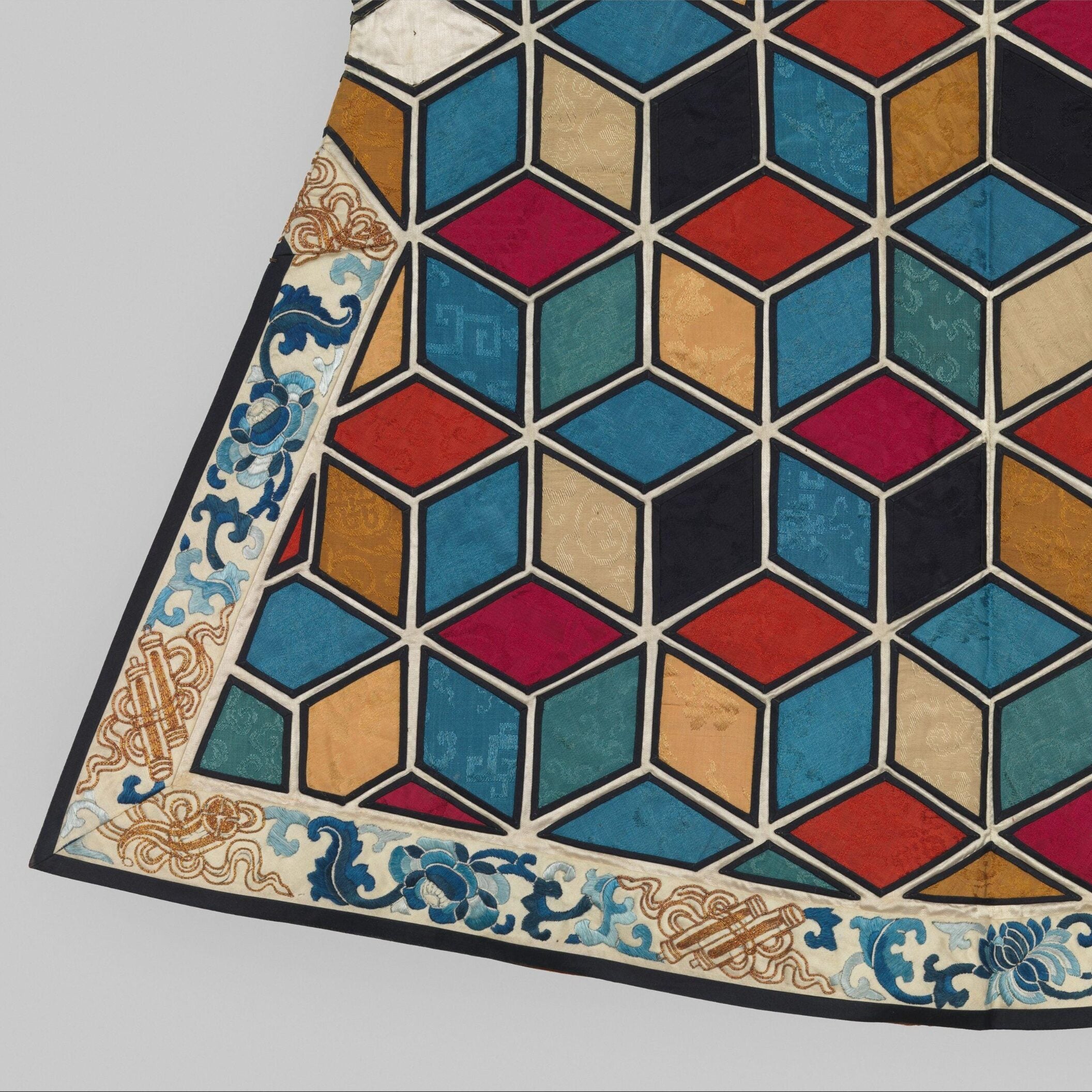
Accurately cite sources
Make notes and download citations on media to accurately recall where each originated from.
Create better presentations
Embed text and annotations into your presentations for a more robust experience.
Diverse, expansive, and growing
Valuable collections are continually added, and we actively evaluate new content based on community feedback, including:
Community voices

Such a rich bank of articles and now images! I always go to JSTOR first.

I love that [Artstor and JSTOR] merged. I like to make lecture categories.

The new platform is user friendly and intuitive to learn. Simplifying collections into one central location is a benefit to users who can now search academic, primary, and image resources in one platform. The new platform specifically addresses the needs of research and academic audiences with wider breadth to go beyond the normal scope of database searching. The new Artstor experience on JSTOR remains a resource for anyone interested in exploring art collections across boundaries.
Here’s how educators are using Artstor on JSTOR to enrich their curriculum
Charting the course of digital art history: University of California San Diego Library from Artstor to JSTOR
Explore how UC San Diego Library built a transformative 200,000-image digital collection for Artstor, its impact over two decades, and how the Visual Arts Legacy Collection enters a new chapter on JSTOR.
Artstor promotional toolkit
Let’s get off on the right foot! Boost awareness of Artstor on JSTOR’s rich content and powerful tools with these ready-to-use resources. From eye-catching social […]
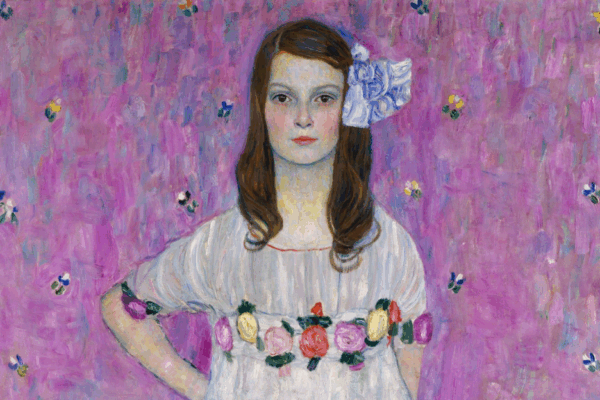
Slow art: Analyzing art in an image-saturated age
Help students slow down and truly see art in an image-saturated age. Adapted from art historian Carson Smith’s classroom project, this resource guides students in creating their own mock museum exhibitions using JSTOR and Artstor. Through “slow looking,” collaborative research, and curatorial storytelling, students practice visual analysis, connect art to cultural context, and rediscover the joy of attentive seeing.
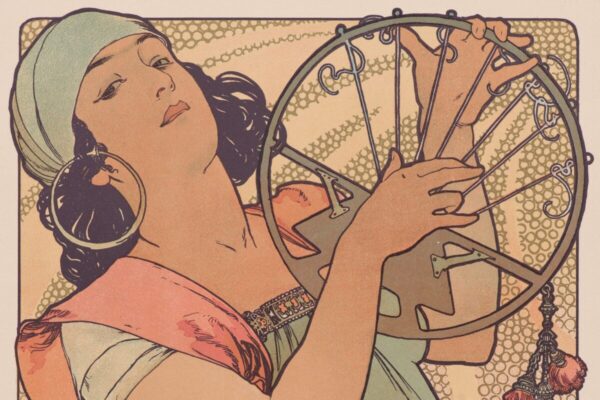
Teaching slow looking: Guiding students to engage deeply with art
Learn how a slow-looking project helps students engage deeply with artworks, build visual analysis skills, and create collaborative exhibitions using JSTOR and Artstor resources.
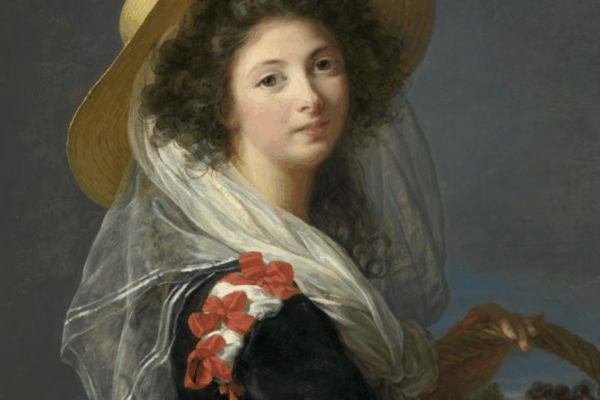
Now available on JSTOR: Highlights from the Nelson-Atkins Museum of Art
The Nelson-Atkins Museum of Art is an encyclopedic museum with collections from across the globe. The images contributed to Artstor from the museum’s over 42,000 works of art reflect the diversity of the collections and 5,000 years of human culture.
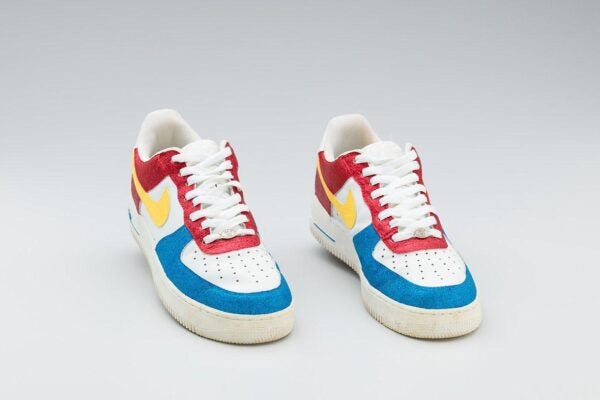
Bring the world to your classroom: Using Artstor on JSTOR for engaging virtual field trips
Discover how to create virtual field trips with Artstor on JSTOR to bring the world into your classroom. Explore ways to foster equity, visual literacy, and engagement—no travel required. Includes a ready-to-use sample lesson plan.
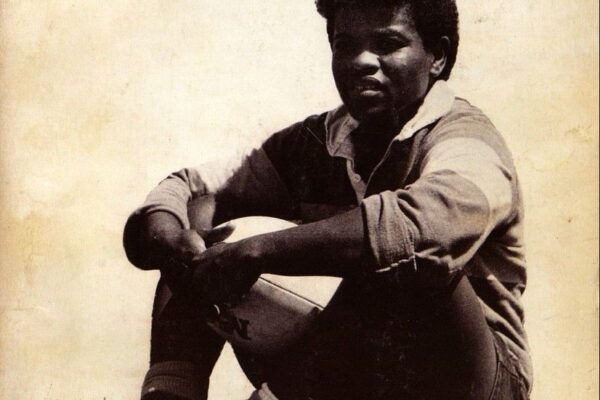
Monthly-wrap up: Spotlighting pride, prison newspapers, and a painter in June
We hope this blog post finds you with a spare moment to explore something new! June’s releases on JSTOR brought together book-length research, community newspapers, […]
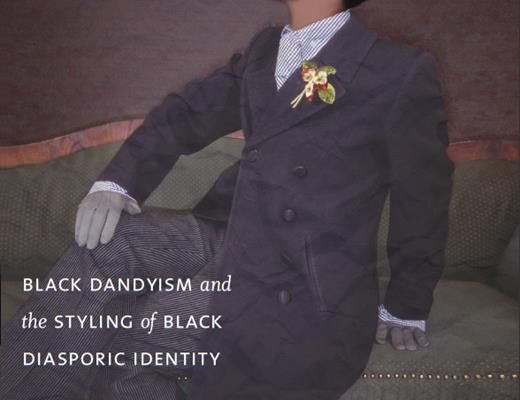
Monthly wrap-up: Maps, movements, and miniature pills in May
May’s additions to JSTOR opened new ways to engage with visual culture, political history, and everyday life.
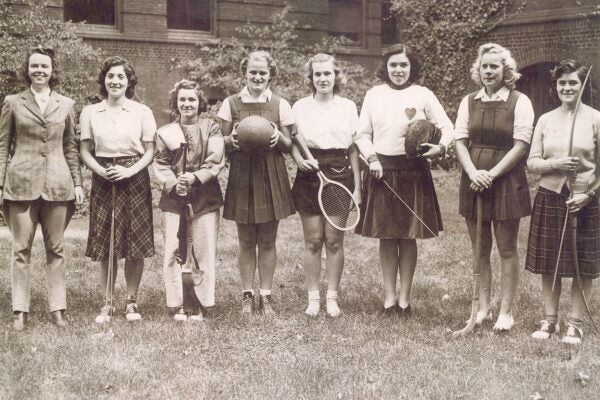
Digitally archived primary sources are imperative to higher education
What would your classroom look like if students engaged with knowledge as detectives rather than passive readers? The answers lie in digital primary sources. And education depends on how we use them.
Get started with Artstor on JSTOR
Join the thousands of institutions using JSTOR’s academic image database to power research, teaching, and visual learning. Request a personalized demo or quote today to see how Artstor on JSTOR can enhance access, streamline workflows, and inspire scholarship.
View image credits from this page
Nikosthenes. Terracotta Kylix: Eye-Cup (Drinking Cup). ca. 530 BCE. Part of Open: The Metropolitan Museum of Art, Artstor.
Odra Noel. Apoptosis. n.d. Wellcome Collection, Artstor.
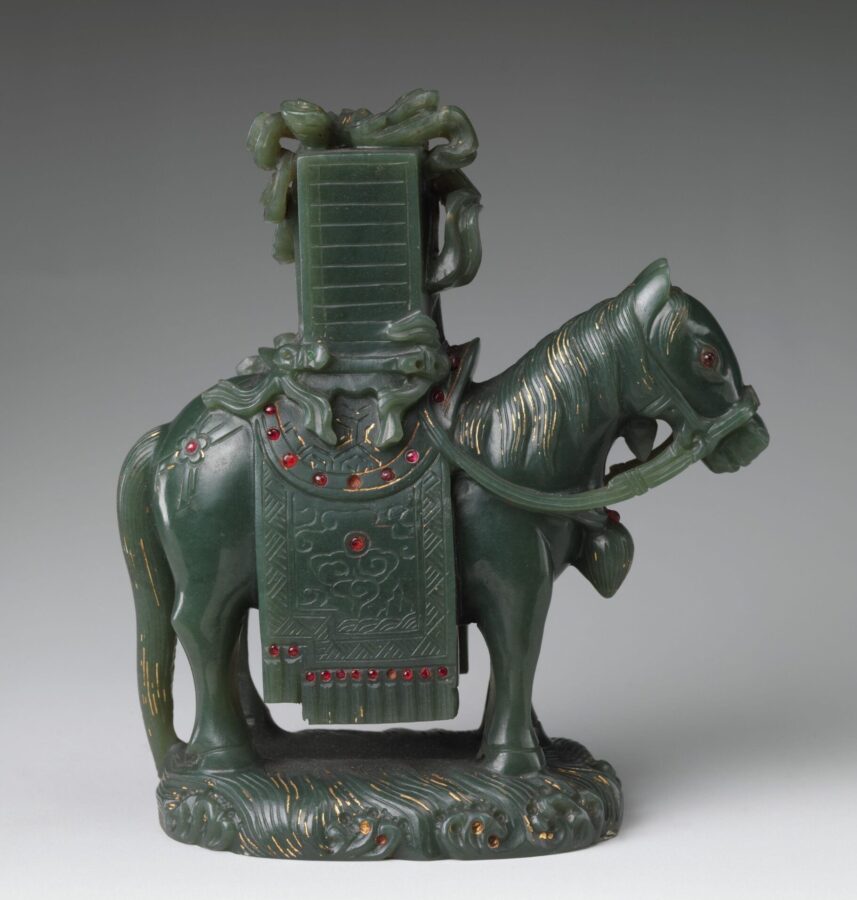
Horse Carrying Books. 18th–19th century. Open: The Metropolitan Museum of Art, Artstor.
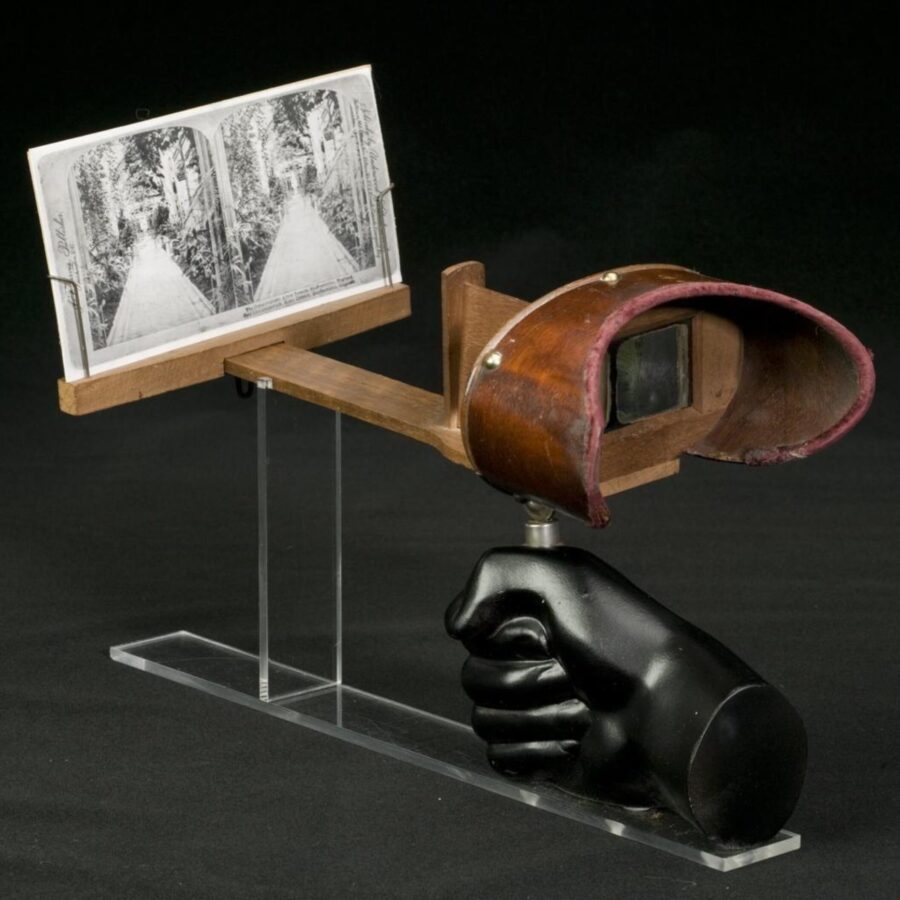
Unknown maker. Hand-Held Stereoscopic Viewer. ca. 1896. Part of Open: Science Museum Group, Artstor.
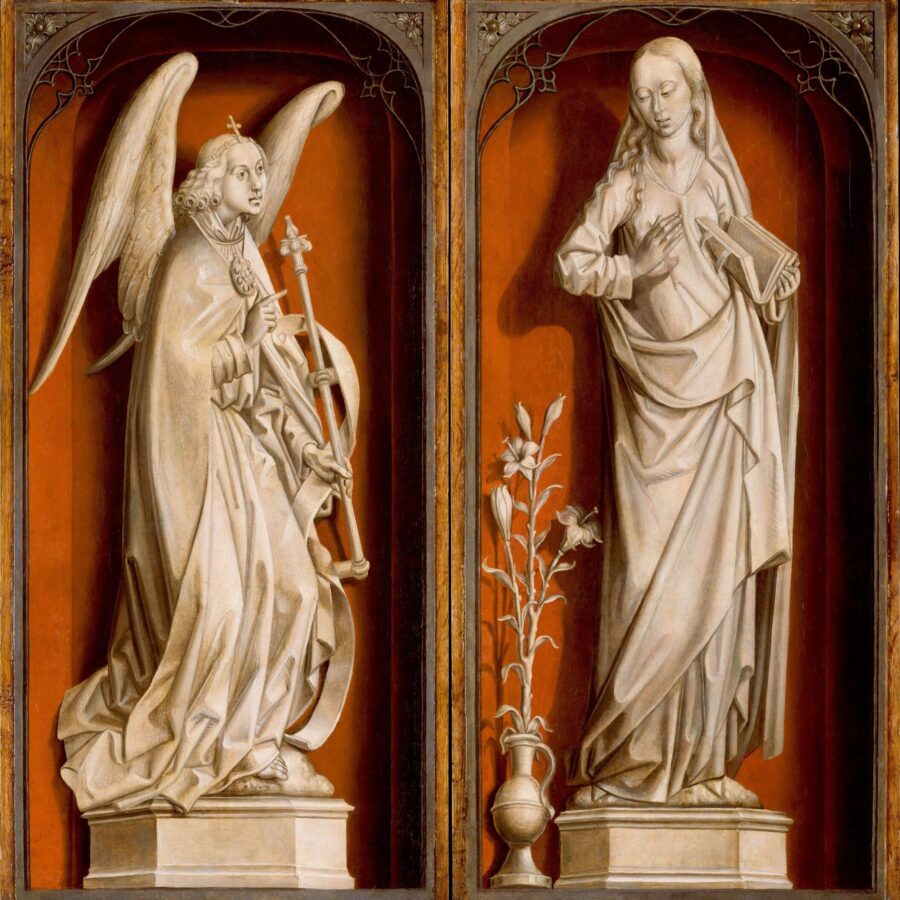
Master of the Saint Barbara Legend. Abner’s Messenger before David; The Queen of Sheba Bringing Gifts to Solomon; The Annunciation. ca. 1480. Part of Open: The Metropolitan Museum of Art, Artstor.
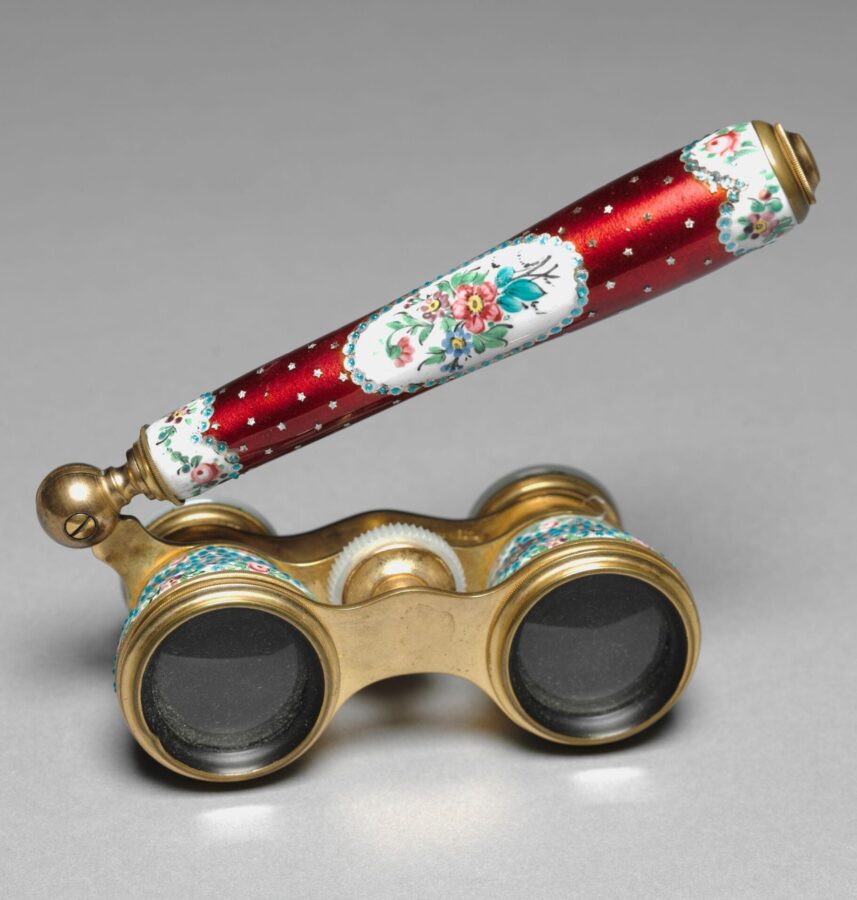
French. Opera Glasses. c. 1900. Part of Open: The Cleveland Museum of Art, Artstor.
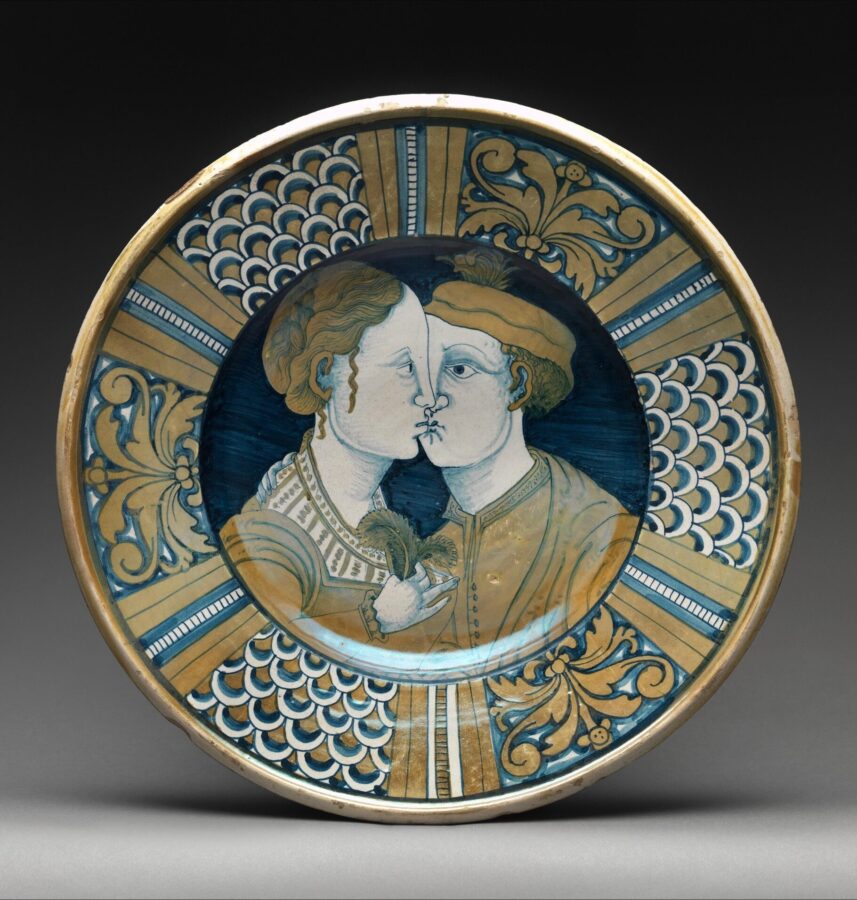
Dish with Two Lovers. ca. 1520-50. Part of Open: The Metropolitan Museum of Art, Artstor.
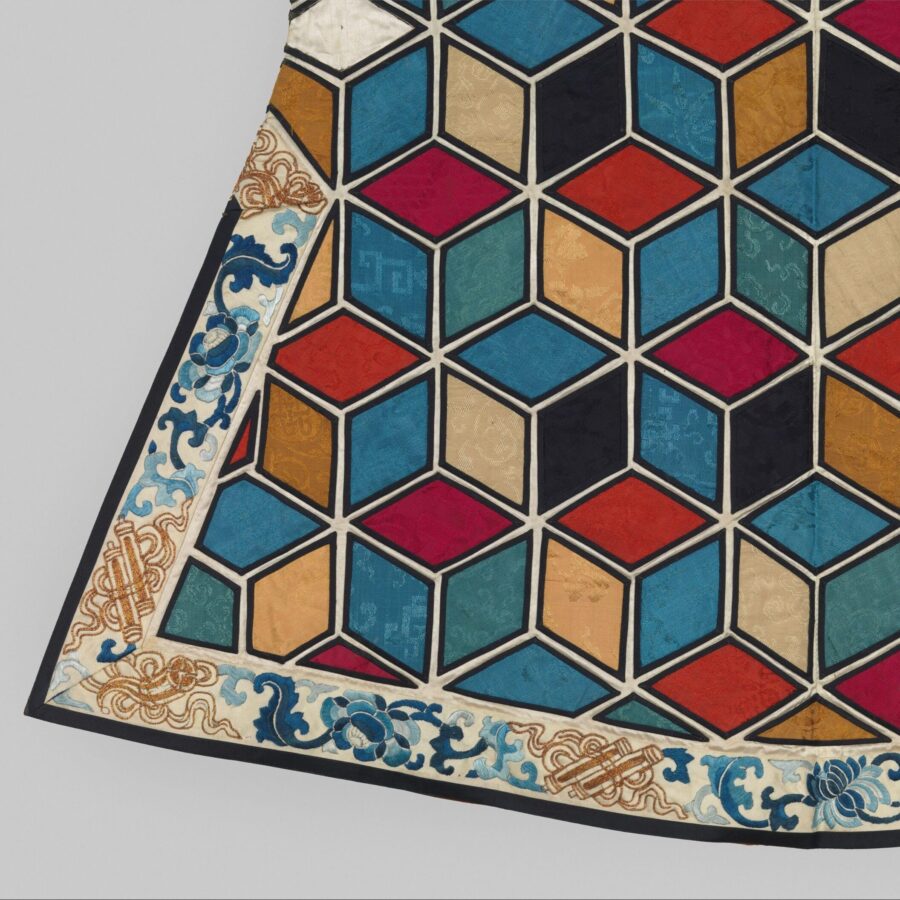
Chinese. Woman’s Theatrical Jacket. 19th century. Part of Open: The Metropolitan Museum of Art, Artstor.
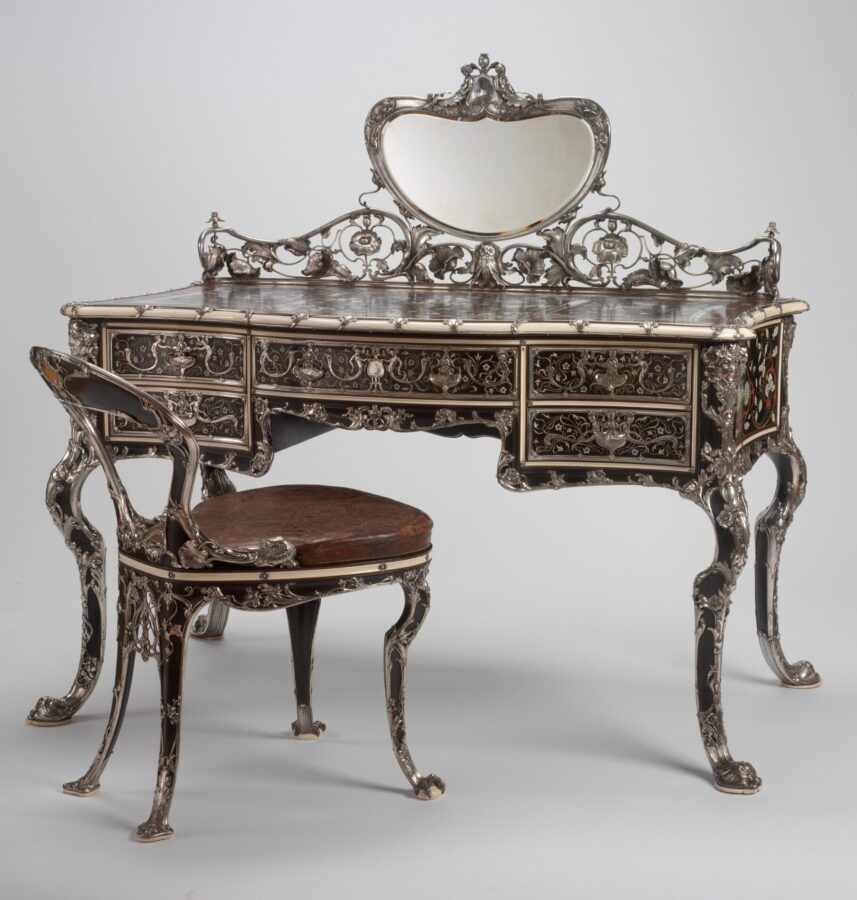
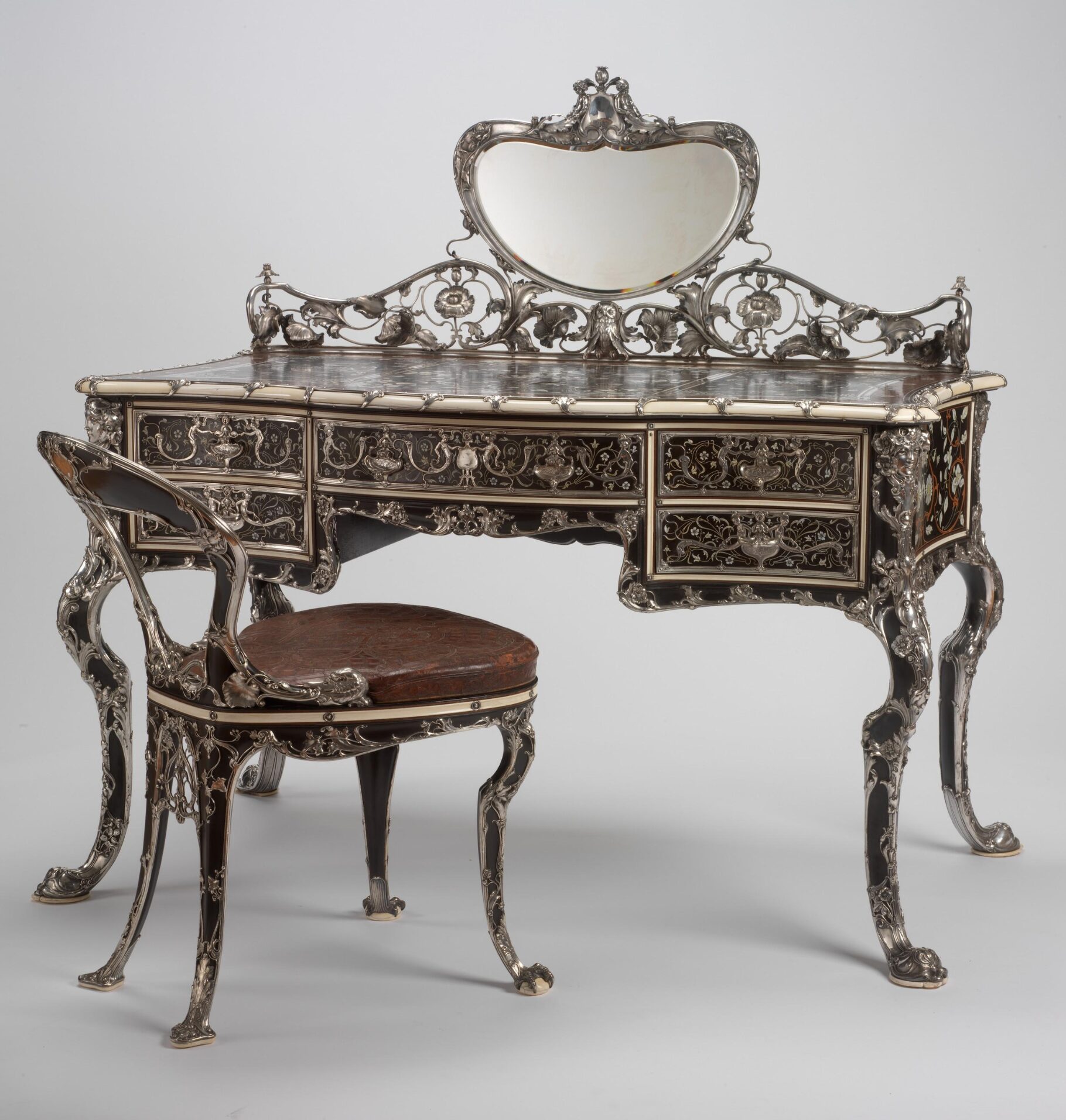
Gorham Manufacturing Company. Lady’s Writing Table and Chair. 1903. Part of RISD Museum (Rhode Island School of Design), Artstor.
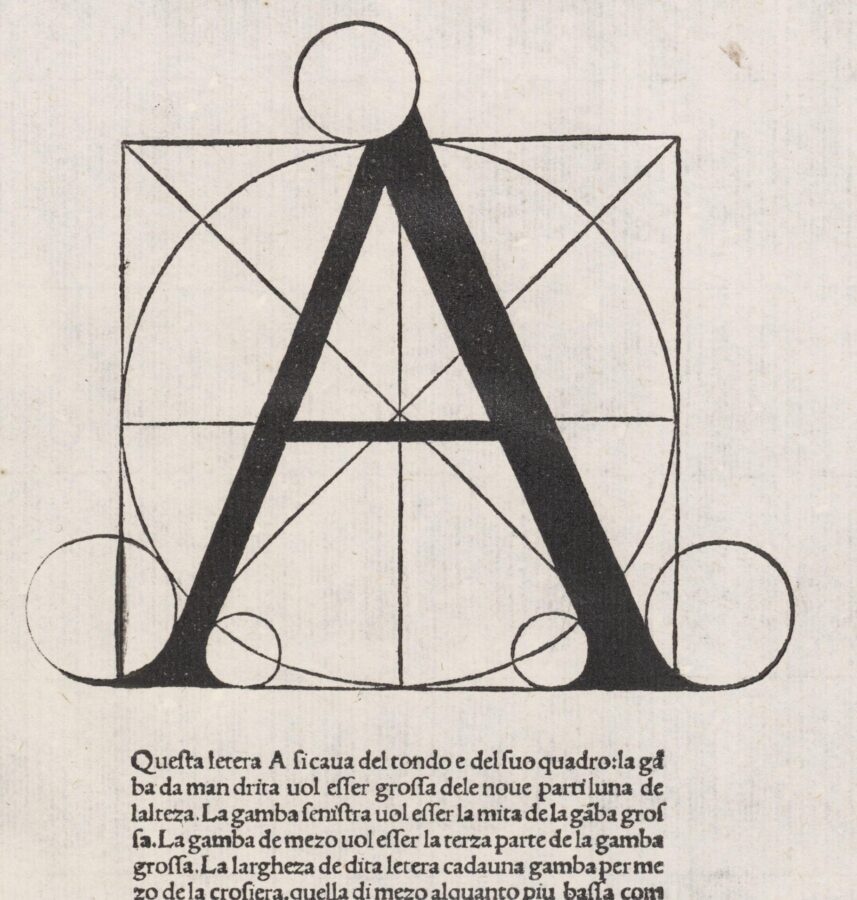
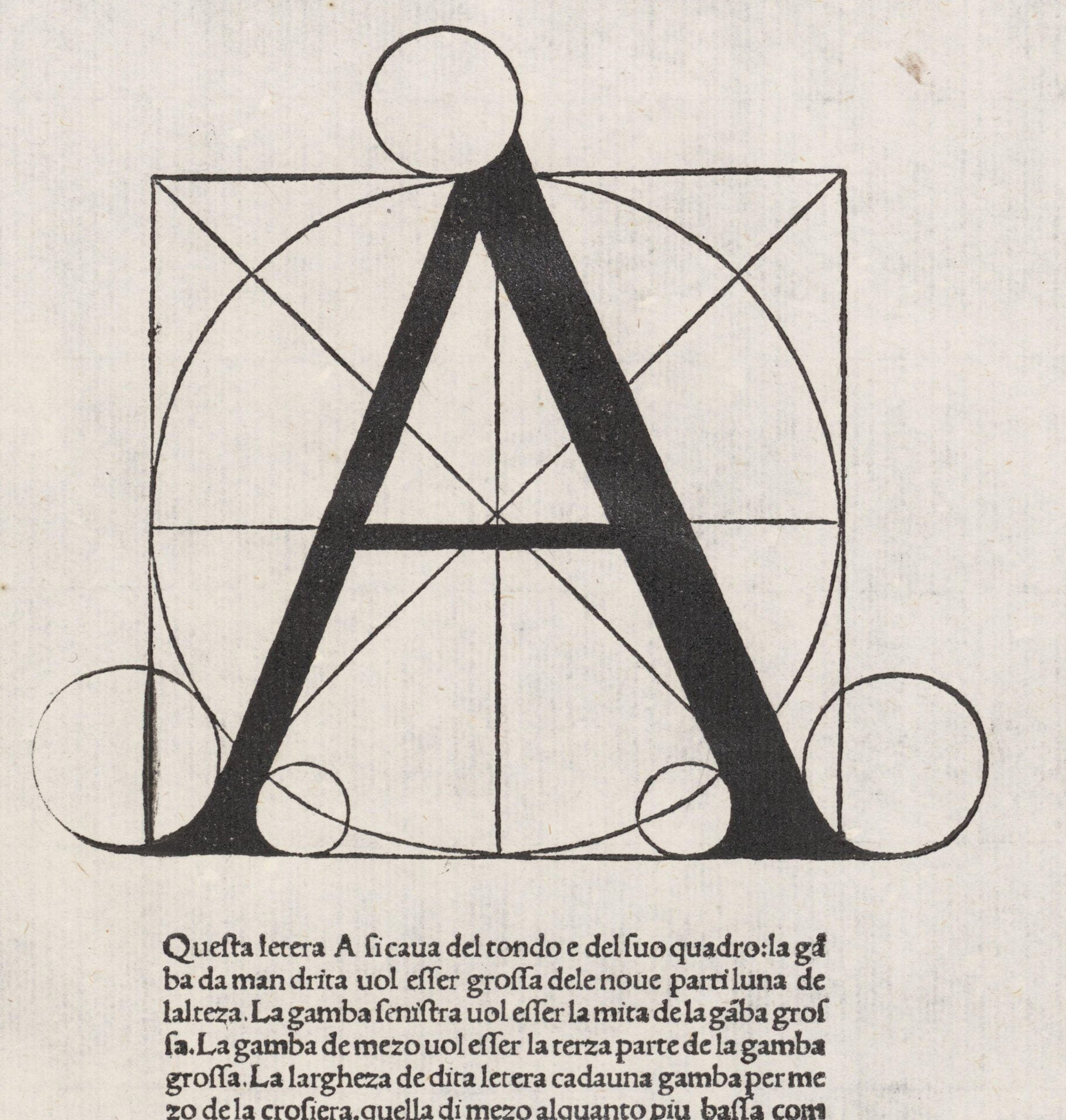
Leonardo da Vinci and Fra Luca Pacioli. Divina Proportione. June 1, 1509. Part of Open: The Metropolitan Museum of Art, Artstor.
*The number of images available varies by country due to copyright restrictions.
Get access
Bring Artstor on JSTOR to your institution
Give your faculty, students, and researchers access to more than 2 million rights-cleared images and multimedia—integrated with JSTOR’s trusted scholarly content. Discover a unified platform for teaching, research, and visual literacy.