
Share your expertise with the JSTOR community
Join educators, researchers, and librarians contributing to JSTOR’s freely available research and teaching resources.
Inspire others, share practical insights, and showcase creative uses of JSTOR content and tools.
Compensation is available for published contributions.
What we’re looking for
We welcome submissions that highlight creative uses of JSTOR, Artstor on JSTOR, and open and free content like Reveal Digital and shared collections in teaching, learning, or library support.
Your piece should help fellow educators and researchers make the most of JSTOR’s tools, content, and features.
We especially encourage:
- Classroom activities or lesson plans that use JSTOR content
- Library instruction strategies or research support techniques
- Reflections on using open access or primary sources
- Insights into teaching with Reveal Digital or Artstor
- Stories of collaboration or community engagement
Explore past collaborations
Get inspired by examples of impactful contributions:
Lesson plans, activities, and assignments
Free teaching resources for higher ed and secondary school faculty.
Reading lists
Expert-curated collections of essential texts.
Syllabi
Collections of stories on topics in the news organized into syllabi for teaching.
Annotations
Major historical documents annotated with links to peer-reviewed scholarship that helps explain the documents’ historical context and impact.
Pedagogical resources
Methodologies and practical guides for introducing research and scholarship in the classroom.
Articles exploring JSTOR collections
Articles exploring collections of images, rare books, primary source documents, ephemera, and other content from partner institutions and shared on JSTOR.
- Enchanting Imposters (based on Bibliotheca Fictiva, part of Johns Hopkins Digital Collections)
- Life Advice From the Armed Forces (based on Defense Billboards, part of The University of Alabama in Huntsville)
- Capturing the Civil War (based on Civil War and Slavery Collection, part of Grand Valley State University)
- A Purrrrfect Political Storm (based on Votes and Petticoats: Postcards, part of Johns Hopkins Digital Collections)
Webinars
Live recorded sessions led by educators, librarians, and researchers who share practical strategies for teaching, research support, and creative uses of JSTOR content. These webinars highlight cross-disciplinary approaches, classroom applications, and insights from the broader JSTOR community.
Before you submit
Audience
JSTOR serves educators, students, and librarians across secondary and higher education. Please write for accessibility and clarity to reach a wide academic audience.
Language
We currently accept submissions in English only.
Residency and compensation
Compensation is available to U.S. residents with a valid residential address.
At this time, we’re unable to offer payment to non-U.S. contributors, though we welcome their ideas for consideration.
Content guidelines
- Keep your focus on education, scholarship, and resource use—avoid self-promotion.
- Use hyperlinks instead of footnotes or bibliographies for citations.
- You’re encouraged to include original images, open access visuals on JSTOR, or captioned screenshots.
- Typical posts range from 1,500 to 2,500 words, though we’re open to longer or serialized features.
How to submit
- Make a copy of our Google Doc submission template
- Set access to “Anyone with the link”
- Submit your proposal or draft using this submission form
The review process
Accepted drafts will go through editorial review and copyediting before publication.
We prioritize submissions that:
- Highlight how JSTOR supports teaching and research
- Offer practical, replicable ideas for classrooms or libraries
- Demonstrate originality, clarity, and scholarly value
While we can’t guarantee placement or publication date, our editorial team will notify you of acceptance and next steps.
Why contribute?
By publishing with JSTOR, you’ll:
- Share your expertise with a global audience of educators, researchers, and librarians
- Build visibility for your pedagogical innovations
- Inspire others to explore new approaches to teaching and research
- Contribute to JSTOR’s mission of expanding access to knowledge
Let’s collaborate
We look forward to reading your ideas and celebrating your work!
Start your submission today and help us showcase how educators, librarians, and scholars are transforming teaching and research with JSTOR.
Sign up for updates
Never miss a thing. Get updates from JSTOR delivered straight to your inbox.
By signing up you agree to our Privacy Policy. You may unsubscribe at any time by clicking on the provided link on any marketing message.
"*" indicates required fields
View image credits from this page
Chinese. Woman’s Theatrical Jacket. 19th century. Part of Open: The Metropolitan Museum of Art, Artstor.
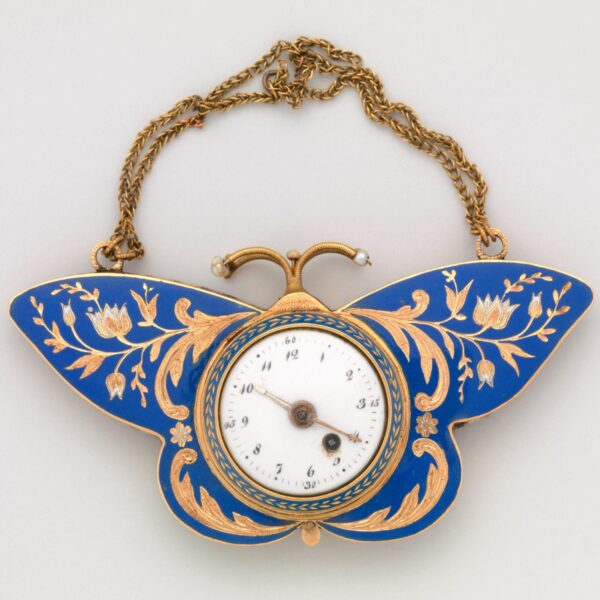
Swiss. Watch in the Form of a Butterfly. ca. 1840-50. Part of Open: The Metropolitan Museum of Art, Artstor.
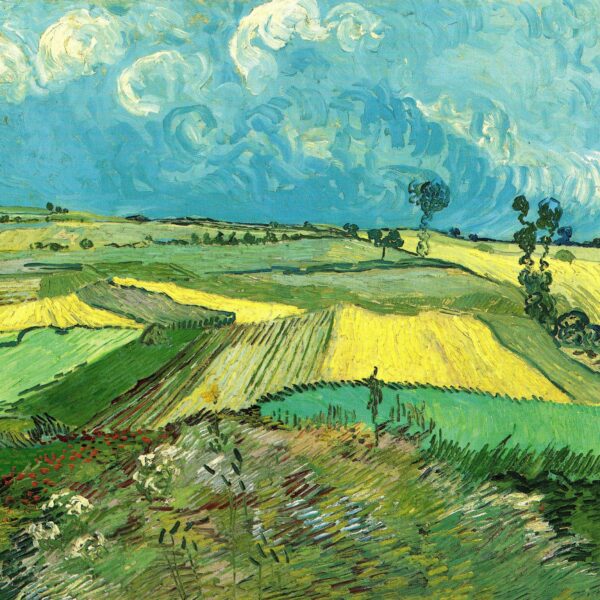
Vincent van Gogh. The Plain of Auvers. 1890. Part of Minneapolis College of Art and Design Collection, Artstor.