Each April, JSTOR Access in Prison dedicates a month to something we consider fundamental to our mission and center the voices and intellectual lives of the people we serve.
Long-time readers will recognize this annual series as “Second Chance Month”and this year we are relaunching it as “Fair Opportunity Month” to realign with the terminology favored by the community of practice.
The shift from “Second Chance” to “Fair Opportunity” is not cosmetic. For many of the people inside the programs we support, there was no first chance to speak of, not a meaningful one, not one that came with access to quality education or the intellectual resources that most people take for granted. A second chance implies a prior opportunity that was squandered, and that framing has never fit the reality we encounter in this work.
Our theme this year is We Learn Together, and we mean it. The people inside the programs we support are not passive recipients of educational services. They are scholars, writers, researchers, and teachers, and the work they produce challenges assumptions about who gets to participate in intellectual life and under what conditions. How they share this knowledge is perpetually interesting to us.
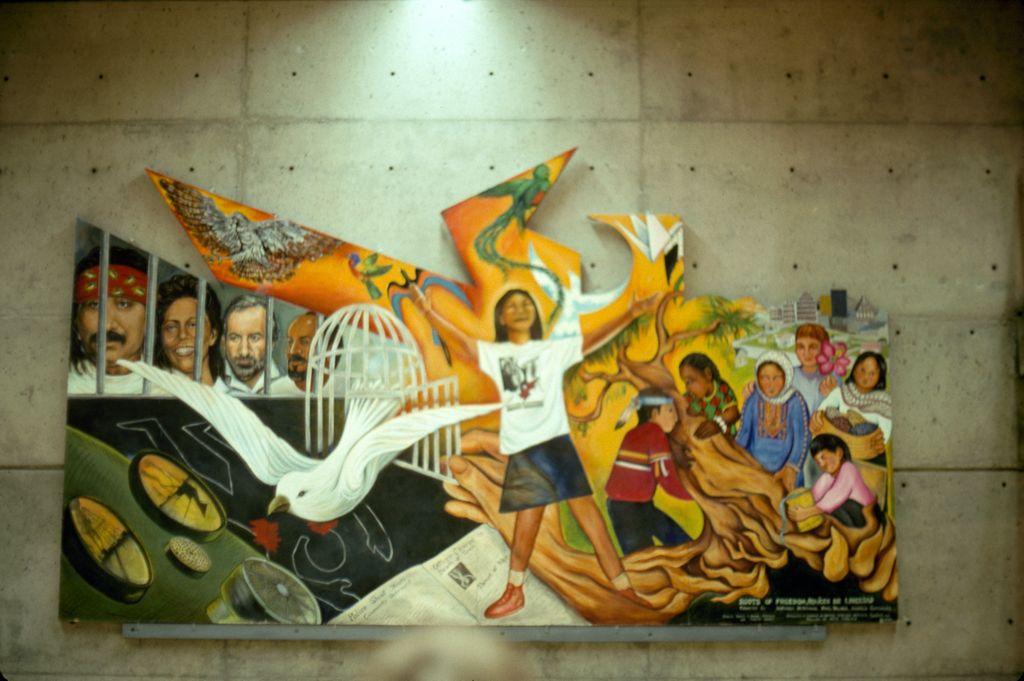
This year we received stories, artwork, poetry, and at least one thesis. Some submissions engage directly with our theme. Others arrived from a different direction entirely. I select work because it illuminates something about the way people learn, because it is formally compelling, or simply because it moved me. I consider all three equally legitimate curatorial criteria.
This year, for the first time, prison program administrators submitted work on behalf of people in their custody. We are opening Fair Opportunity Month with a week dedicated to participants in Unbound Authors, a first-of-its kind writing center founded by a person with a history of incarceration that operates exclusively inside Colorado prisons. A note on editorial practice before you begin reading. Every piece in this series is published exactly as submitted. No spelling corrected. No punctuation standardized. No sentences restructured. This is an intentional editorial choice. The integrity of each writer’s voice depends on it. We ask that readers set aside expectations about conventional form and attend instead to what each writer is actually saying. Thank you for joining us to experience the growing recognition that the intellectual work happening inside correctional facilities belongs in public conversation.
Welcome to Fair Opportunity Month. We learn together.
Stacy