
JSTOR Blog
-
Elizabeth Lovero reflects on the final convening of the Expanding Information Access for Incarcerated People Initiative and the community effort required to turn standards into meaningful access.
-
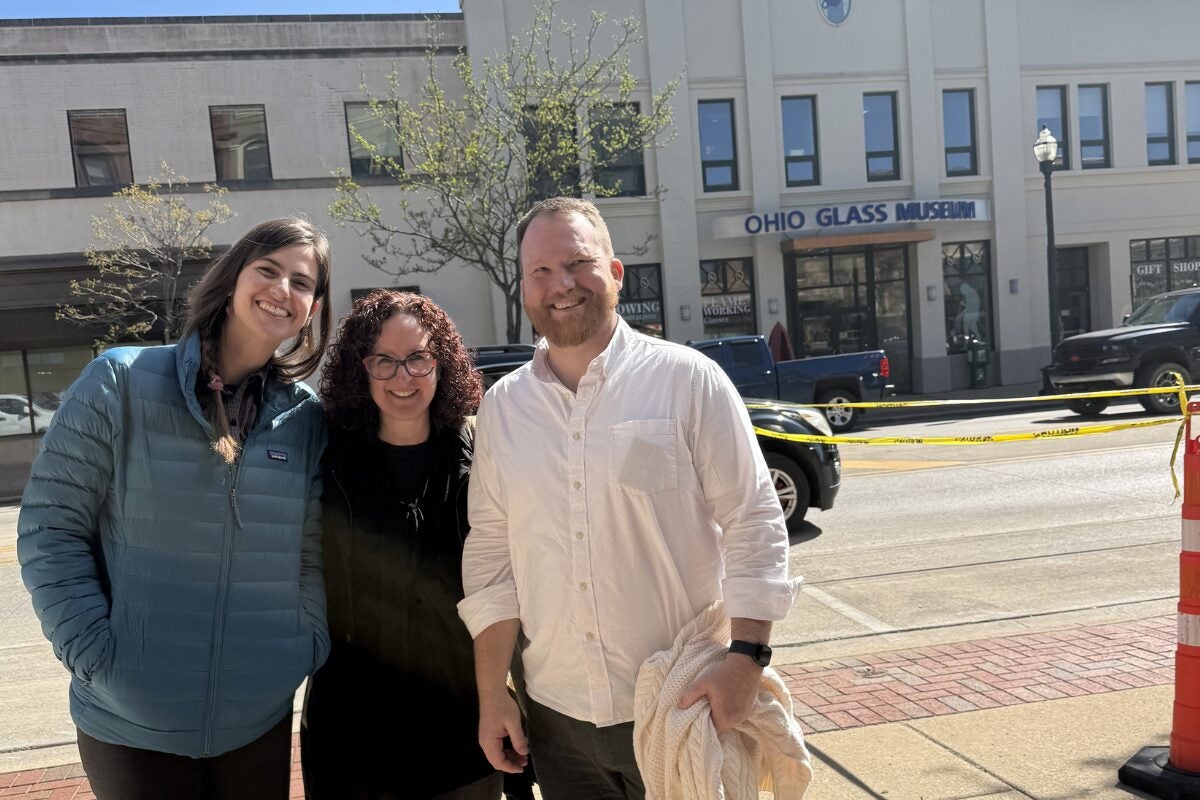
A visit to Southeastern Correctional Institution gives the JSTOR Access in Prison team a closer look at how learners use JSTOR and how community shapes education inside.
-
This month’s JSTOR Stewardship update welcomes new participating institutions, highlights newly available collections on JSTOR, and shares recent work from the digital stewardship community. Featured stories include AI-assisted collections processing, expanded access to distinctive materials, and community-led efforts to make digital collections more discoverable.
-
As AI becomes part of the research process, JSTOR is exploring how to design tools that strengthen critical thinking, support research skills, and keep human judgment at the center of learning.
-
Learn how JSTOR’s country-based savings and JSTOR Access Initiative help expand access to scholarly resources worldwide, and why the Human Development Index will guide eligibility and pricing beginning in 2027.
-
New support from the Mellon Foundation will help expand JSTOR Stewardship, giving more libraries and archives the tools to digitize, process, preserve, and share distinctive collections through JSTOR so original sources can reach broader audiences.
-
Read an authorized excerpt from Cǎlin Dan’s “Ion Bitzan: The Prisoners of the Avant-Garde” and explore installation views from the retrospective exhibition alongside the Ion Bitzan Foundation collection in Artstor on JSTOR.
-
The JSTOR Digital Stewardship Services community continues to grow, welcoming new institutions, highlighting innovative uses of AI-assisted collections processing, and showcasing unique open access collections now available on JSTOR.
-
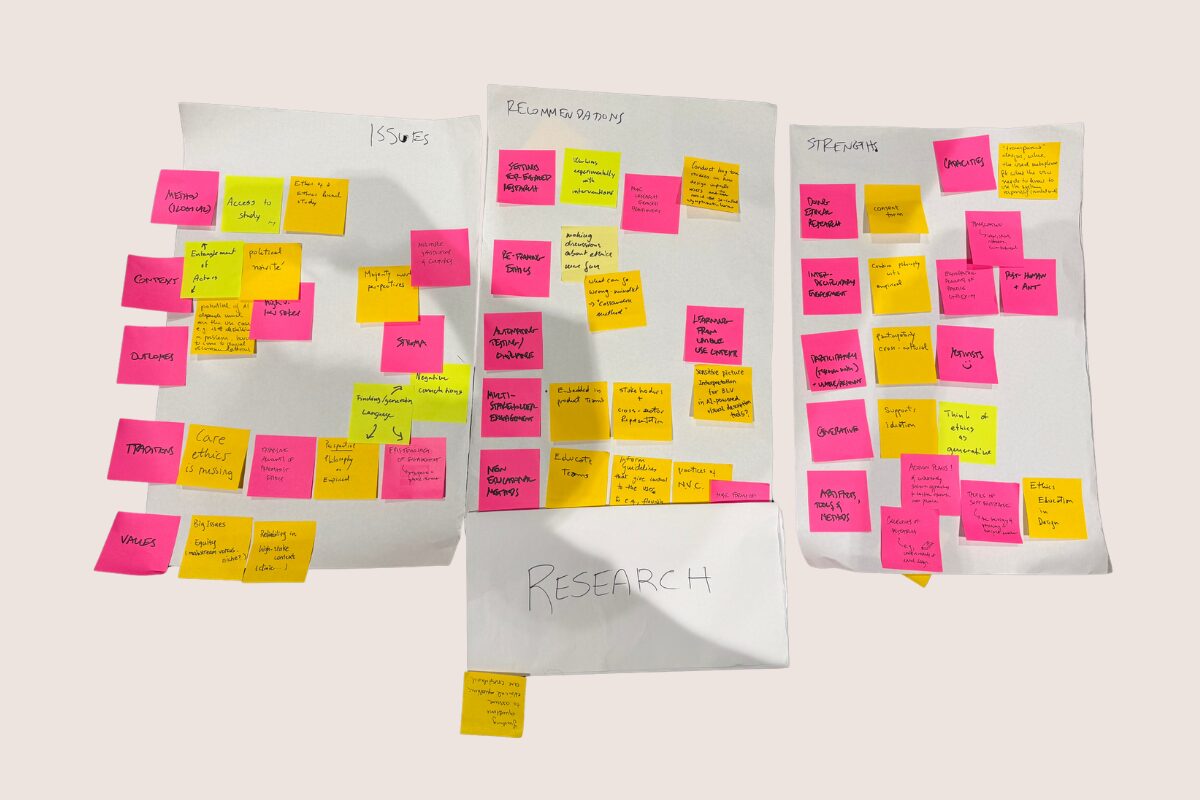
At CHI 2026, researchers and practitioners explored what it means to design AI interfaces responsibly, from supporting scholarly judgment to creating more transparent and human-centered research tools.
-
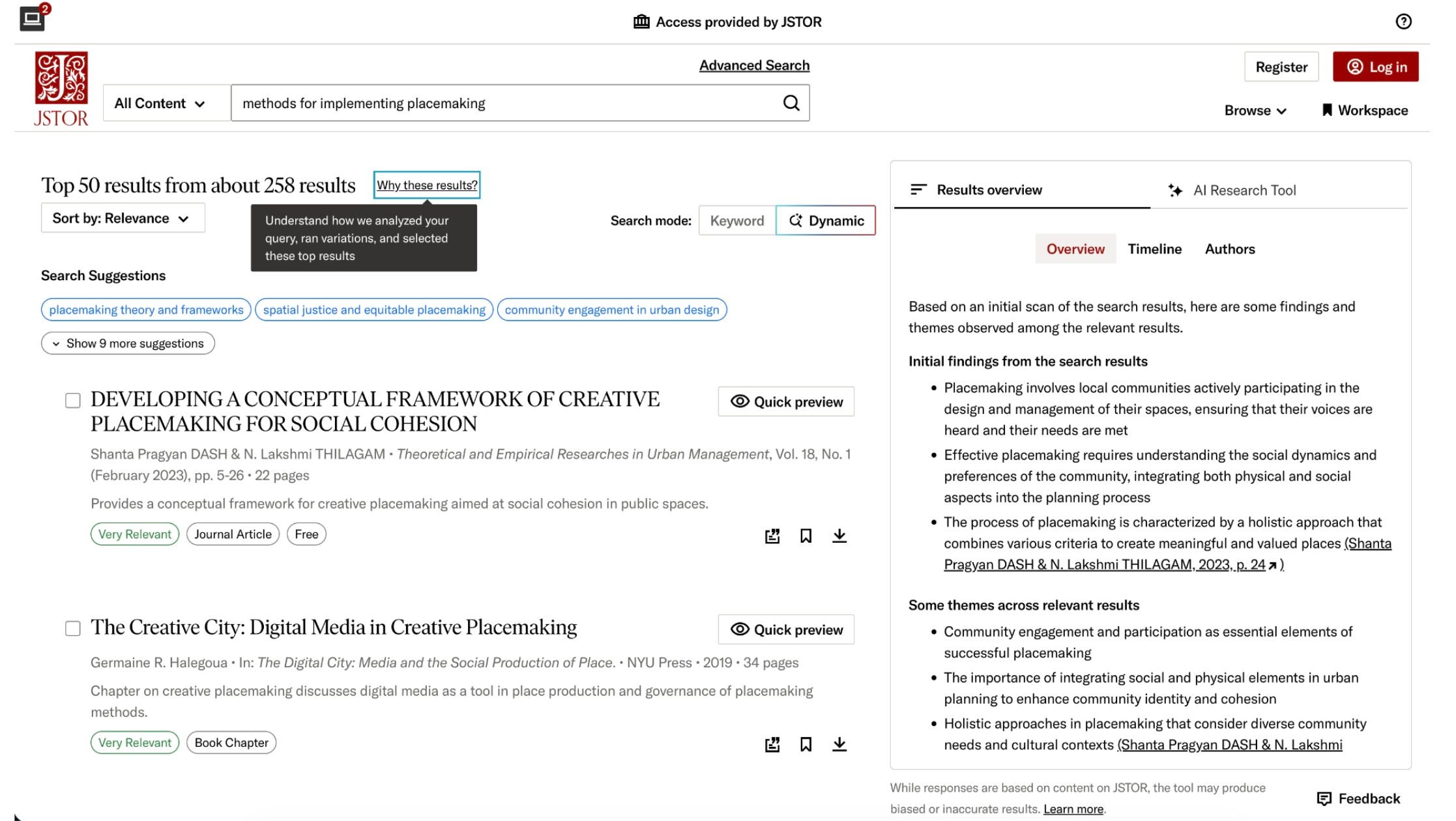
JSTOR helps teaching librarians, faculty, students, and new researchers move from early search to stronger synthesis by bringing together scholarly content, primary sources, images, collections, Workspace, citation tools, and AI-enabled features in one research and teaching platform.
-
This month’s update shares how institutions are advancing digital stewardship through shared infrastructure, AI-supported workflows, and newly available collections on JSTOR. Featured materials highlight efforts to improve access, description, and long-term care.
-
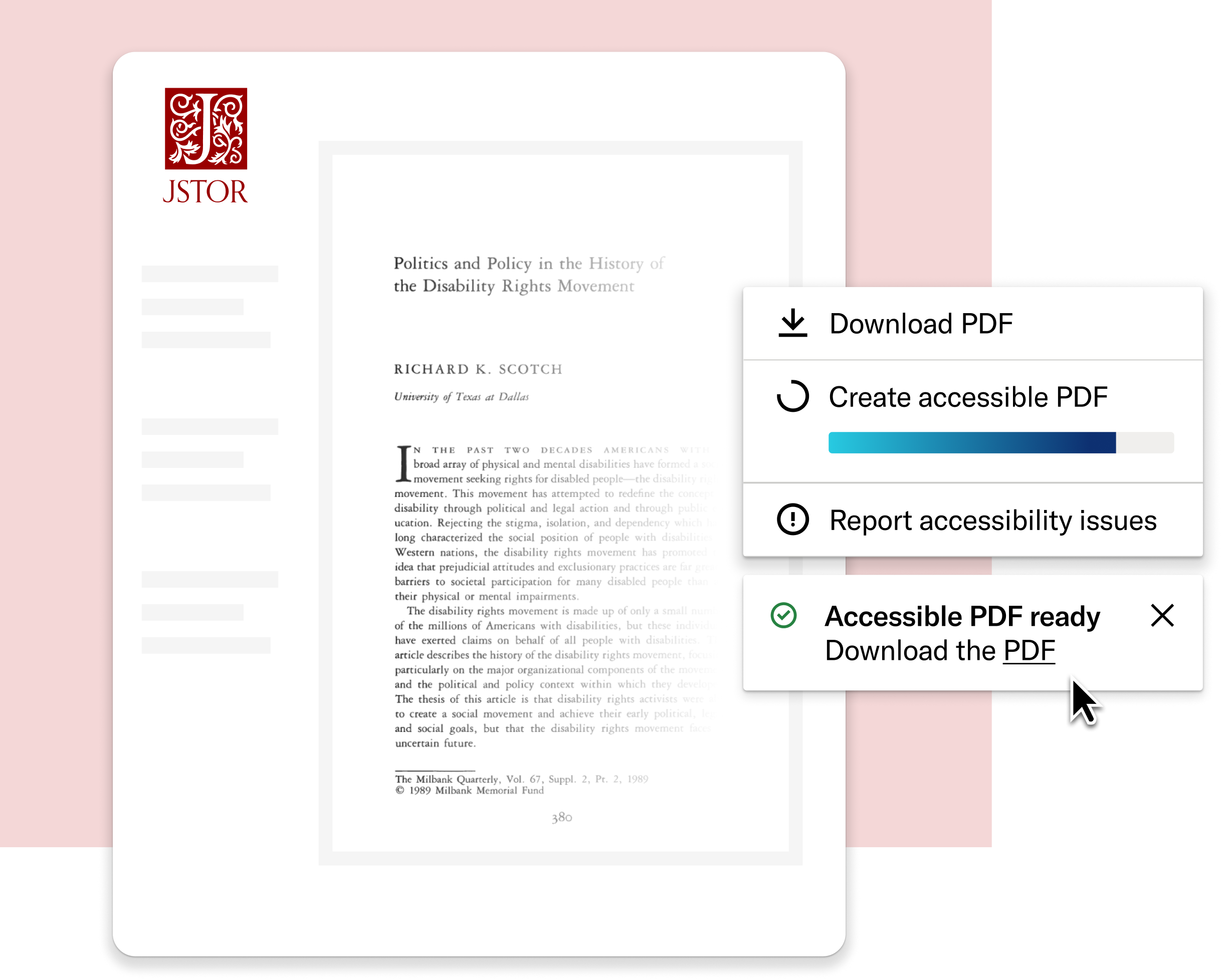
JSTOR is rethinking accessibility at scale by shifting from static remediation to an on-demand model, creating accessible PDFs and image descriptions the moment they’re needed. This approach expands access across centuries of materials while ensuring usability for all.
-
This month’s JSTOR Digital Stewardship Services update highlights a growing network of libraries, archives, and cultural heritage organizations working to expand access to digital collections. Featured materials include photographs of Dr. Martin Luther King Jr. at Occidental College, a collection of mid-century Malibu matchbooks, and visual records documenting the development of Brasília.
-
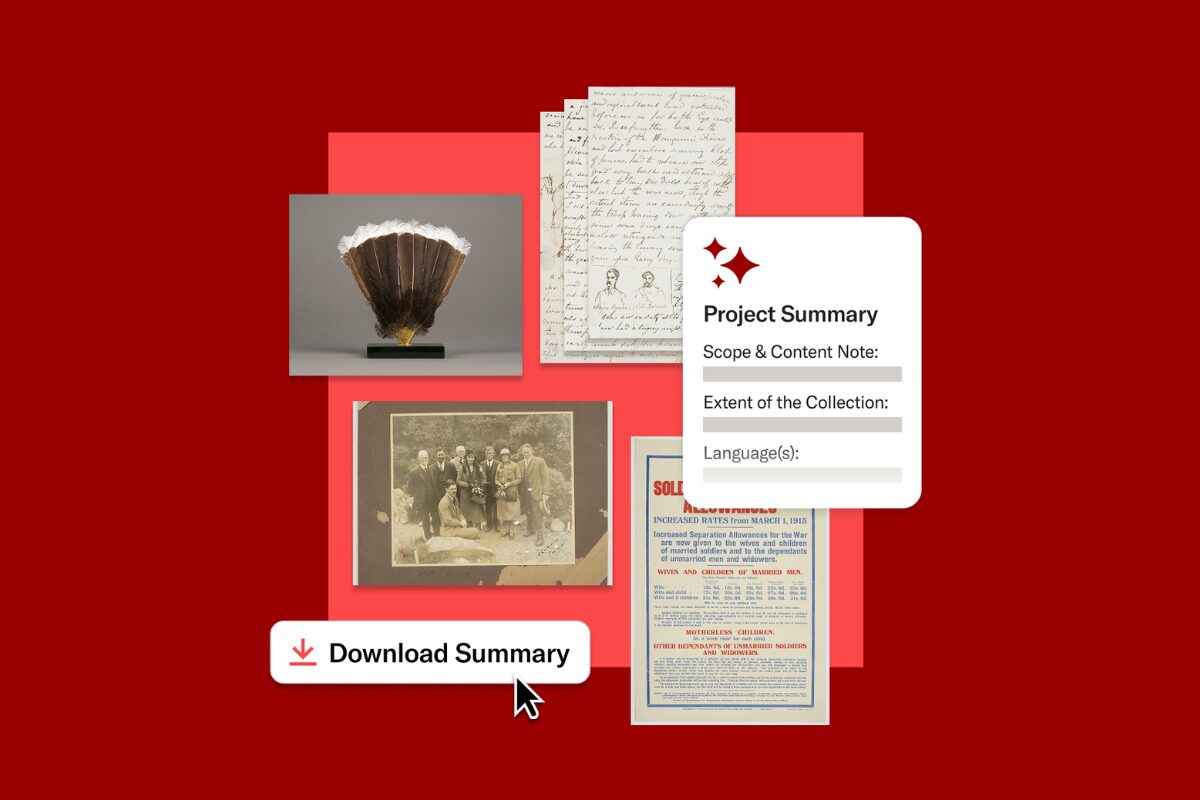
Working with Eastern Michigan University and archivists across institutions, JSTOR explored how AI can support collections processing. The project focused on generating metadata drafts and building workflows that center review, context, and archival standards.
-
In “From jailhouse lawyer to fellow,” Joseph Sanchez reflects on how learning the law to navigate his own case became a way to support others and ultimately led to his work with the Legal Literacy at Work fellowship.
-
In recognition of Fair Opportunity Month, “Education is My Contraband” traces Taveuan Williams’s journey from survival to self-discovery through reading and learning. Inside a system designed to reduce him, education becomes both resistance and refuge, offering a way to rebuild identity, confront the past, and imagine a future beyond confinement.
-
In recognition of Fair Opportunity Month, “Restorative Justice: The Casuistic Approach” brings together lived experience, philosophy, and theology to reexamine how we define justice. Drawing from their own lives inside the Colorado Department of Corrections, Robert Ray and Clarke T. Clayton explore restorative justice as a human-centered practice.
-
In recognition of Fair Opportunity Month, “Clamoring to be Heard” shares Lisa Lesyshen’s experience navigating incarceration as a wheelchair user—and the assumptions that shaped it. After being denied meaningful work, she creates her own path by launching Inmate.com, a prison-run TV program that gives voice to incarcerated people and challenges misconceptions about disability, dignity, and…
-
An acting workshop becomes a lesson in trust, responsibility, and shared experience. Reflecting on moments of leading and following, William Davenport considers what it means to guide others, to rely on them, and to recognize that both roles are essential to how we learn and grow.
-
This post introduces Star Dog by Jeremy Moss, the first published piece from an Unbound Authors student, a program supporting incarcerated writers across Colorado. Moss’s story follows a stray dog bearing witness to a man’s final moments, offering a quiet reflection on presence, dignity, and what it means not to be forgotten.
-
JSTOR Access in Prison introduces Fair Opportunity Month, a reimagining of Second Chance Month that centers the voices and intellectual work of people inside. This year’s theme, We Learn Together, highlights writing, research, and creative work that challenges assumptions about who gets to participate in knowledge-making.
-
JSTOR Digital Stewardship Services welcomes new institutions and shares recent collection highlights now available on JSTOR. This update features examples of AI-assisted description, expanded open access materials, and ongoing efforts to support responsible digital collections management.
-
At ITHAKA, innovation happens when user research and engineering exploration move in parallel. This behind-the-scenes look at JSTOR Seeklight shows how collaboration with archivists and technologists shaped an AI-driven tool designed to accelerate collections processing while keeping human expertise at the center.
-
Ahead of updated ADA Title II requirements, we spoke with accessibility leaders at seven public universities about what sustainable progress really looks like. Their focus: prioritization, transparency from providers, and scalable, human-centered solutions that build accessibility into systems.
-
With updated ADA Title II requirements approaching, JSTOR is advancing accessibility across both its research platform and the tools stewards use to manage collections. Launched in April 2025, JSTOR Stewardship was built to align with current accessibility standards from the ground up.
-
The JSTOR Digital Stewardship Services community continues to grow, welcoming new institutions and expanding access to distinctive collections. This month’s update highlights recent participants, collection spotlights, and how JSTOR Seeklight supports AI-assisted, human-reviewed description and responsible digital stewardship.
-
With upcoming ADA Title II requirements taking effect in April 2026, institutions are closely evaluating how well their digital resources support access for everyone. At JSTOR, accessibility is an ongoing commitment, supported by new on-demand remediation tools to help ensure users can access the content they need, when they need it.
-
Preserving distinctive collections is essential—but preservation alone doesn’t guarantee impact. In today’s digital research environment, discovery determines whether primary sources are found, used, and meaningfully integrated into scholarship and teaching. This post explores why platform choice now plays a central role in turning stewardship into impact.
-
As generative AI reshapes how people discover and use scholarly content, traditional usage metrics no longer tell the full story. This post explores what “invisible use” means for libraries, how COUNTER and the wider community are responding, and how JSTOR is adapting to ensure library value remains visible in an AI-mediated research environment.
-
Publisher Collections are now live on JSTOR, marking a new milestone for scholarly ebooks. Developed collaboratively with libraries and academic publishers, this new model offers perpetual access to a publisher’s current-year output alongside seamless access to backlist titles on JSTOR.





















Sign up for updates
Never miss a thing. Get updates from JSTOR delivered straight to your inbox.
By signing up you agree to our Privacy Policy. You may unsubscribe at any time by clicking on the provided link on any marketing message.
"*" indicates required fields