
JSTOR Workspace
Our free, secure research environment that helps you gather, organize, annotate, and share the materials that power inquiry.
Whether you’re building a literature review, preparing a lecture, designing an assignment, or guiding students through their first research project, Workspace keeps everything you need in one place.
Why Workspace?
You can streamline your entire research workflow, allowing you to:
Save everything you need
Collect journal articles, primary sources, book chapters, and images directly from JSTOR—or upload your own materials to integrate course readings, slides, or scans.
Organize research your way
Create folders and subfolders for courses, topics, projects, or units. Rearrange items with drag-and-drop custom ordering, add descriptive notes, and quickly search within your Workspace to find exactly what you need.
Support teaching, learning, and collaboration
Share curated folders with colleagues or students at your institution. Workspace preserves your chosen sort order and layout, making it a powerful tool for model bibliographies, lecture preparation, visual analysis activities, and research scaffolding.
Present and export with ease
Turn your saved materials into PDF reading packets, PowerPoint decks, or ZIP files in seconds—ideal for LMS uploads, class presentations, or assignment handouts. Zoomed-in views of images automatically export as separate slides for close-looking exercises.
Key features
Save and annotate content
- Save items from search results or item pages
- Capture and save zoomed-in “image details”
- Add private notes to any saved item for research or instruction
Upload your own files
- Upload up to 10 images at a time (JPEG or PNG)
- Add metadata to make your files searchable within Workspace
- Use uploaded items just like JSTOR content: present, export, compare, and share
Share and collaborate
- Share Workspace folders with anyone logged into JSTOR through your institution
- Allow others to copy your folder into their own Workspace for reuse or adaptation
- Ideal for instruction, cross-department collaboration, or guided student research
Export in multiple formats
- PDF reference lists with thumbnails and metadata
- PowerPoint decks with automatic item metadata
- ZIP files for offline access to high-resolution images
- Citation exports to RefWorks, EasyBib, NoodleTools, RIS, or plain text
Present directly from Workspace
- Use full-screen present mode to zoom, pan, toggle metadata, and move between items
- Great for classroom discussion, visual analysis, and research presentations
Use Workspace for…
Classroom instruction
- Build curated sets of readings or images
- Compare primary sources side-by-side
- Share research folders with students for structured inquiry
- Export slides for in-class analysis activities
Librarians and instructional designers
- Create skill-building research guides and teaching kits
- Demonstrate keyword strategies, Boolean logic, and source evaluation
- Support consultations with reusable example folders
- Present digital collections effectively in instruction sessions
Students
- Keep all research for a course or project in one place
- Annotate items with notes and reminders
- Build early bibliographies and export citations
- Store PDFs, images, and JSTOR items together for final papers
Researchers
- Organize long-term projects across devices
- Save detailed views of images for analysis
- Export research packets for collaborators
- Present findings from Workspace during talks or conferences
Getting started
- Create a free personal JSTOR account (required for Workspace)
- Log into JSTOR and select Workspace from the top navigation
- Start saving content, creating folders, and building your research environment
Build your research ecosystem
Workspace turns JSTOR into a powerful end-to-end research platform—designed for discovery, organization, analysis, and teaching. Whether you’re preparing a class, writing a paper, or helping someone grow as a researcher, Workspace gives you the structure, flexibility, and portability you need.
View image credits from this page
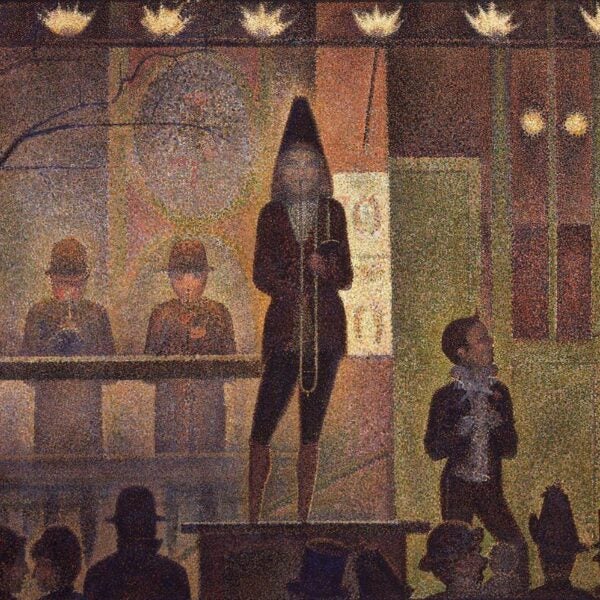
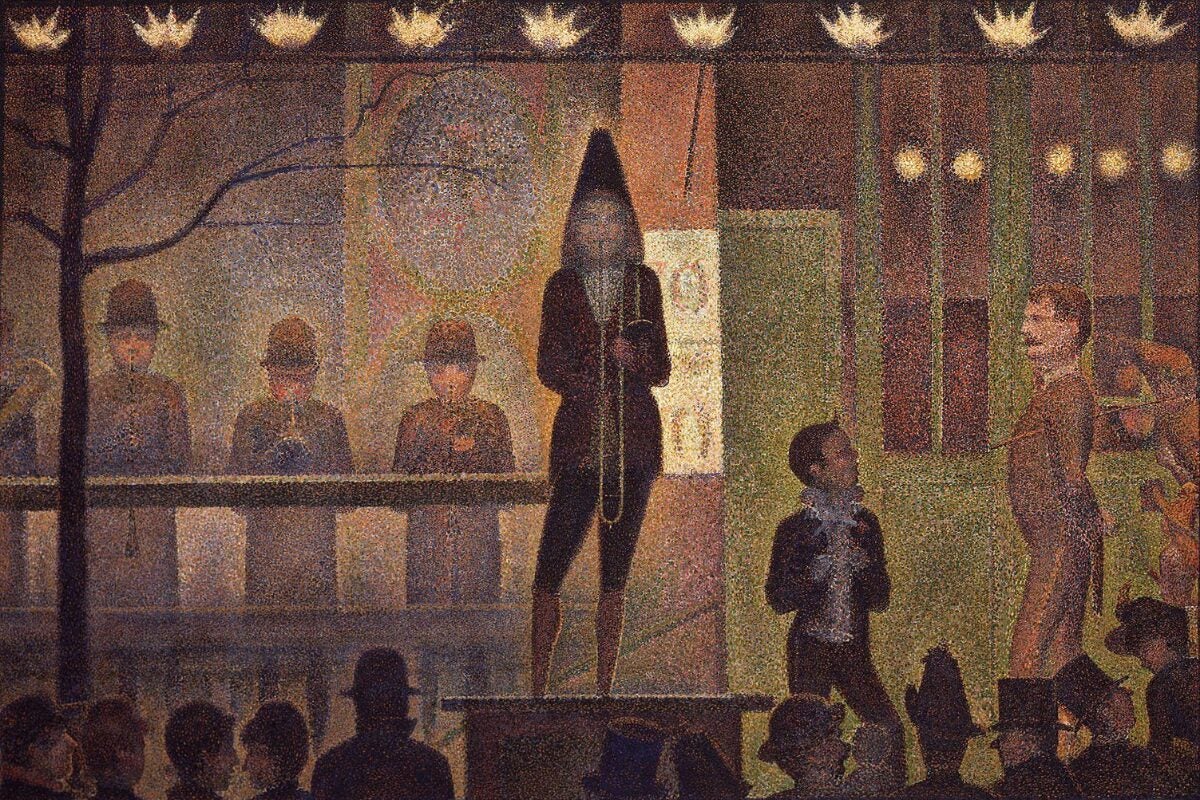
Georges Seurat. Circus Sideshow (Parade de Cirque). 1887–88. Part of Open: The Metropolitan Museum of Art, Artstor.
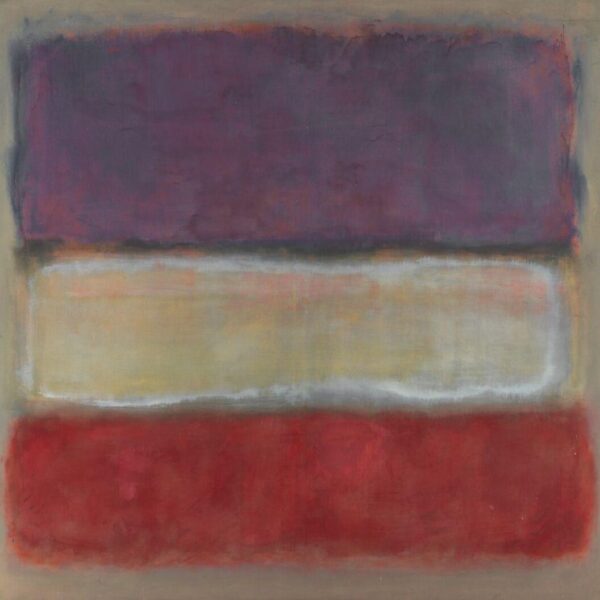
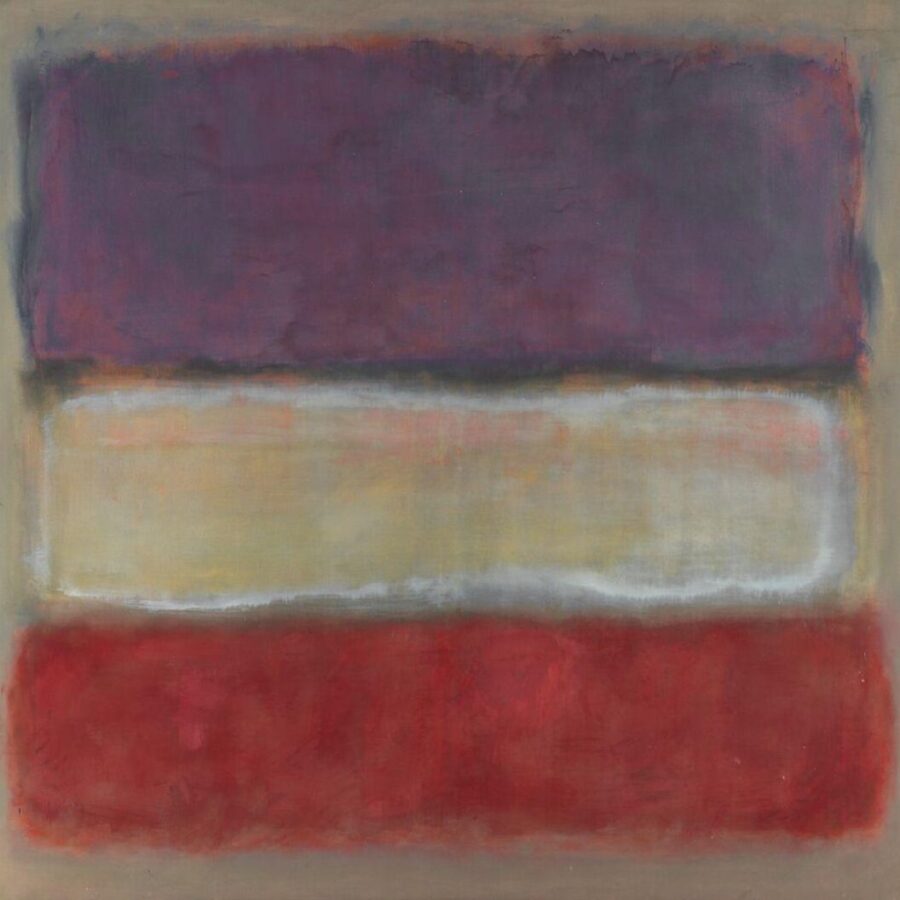
Mark Rothko. Untitled (Purple, White, and Red). 1953. Part of Art Institute of Chicago, Artstor.
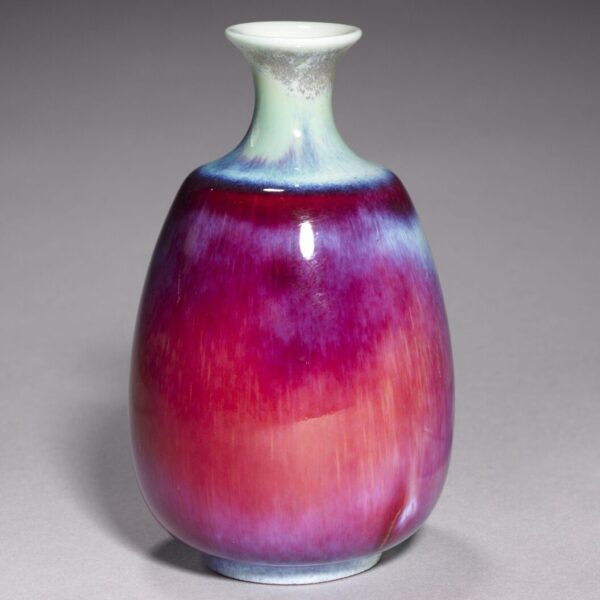
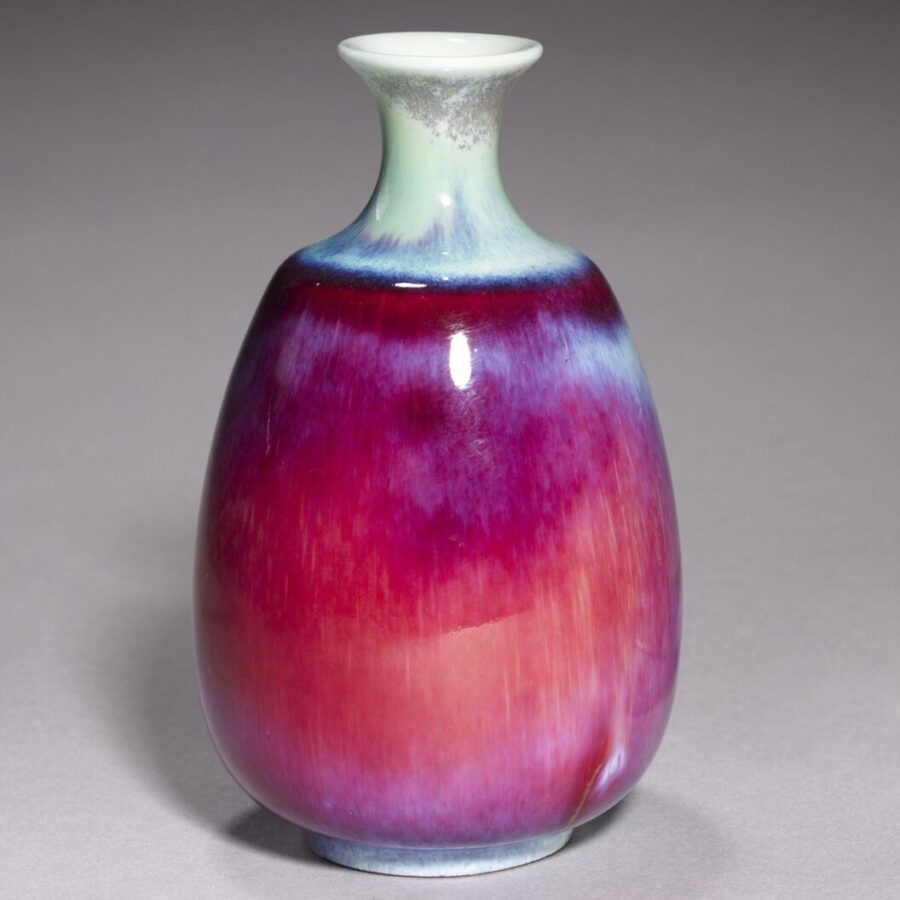
Hermann August Seger and Royal Porcelain Manufactory. Vase. 1900. Part of Open: The Cleveland Museum of Art, Artstor.
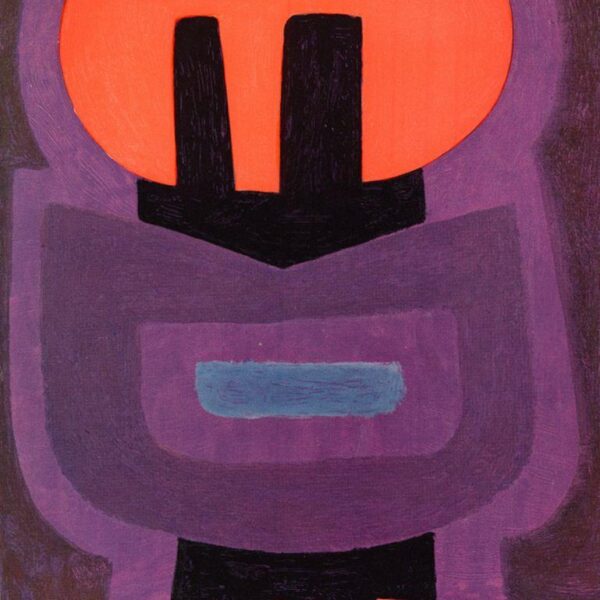
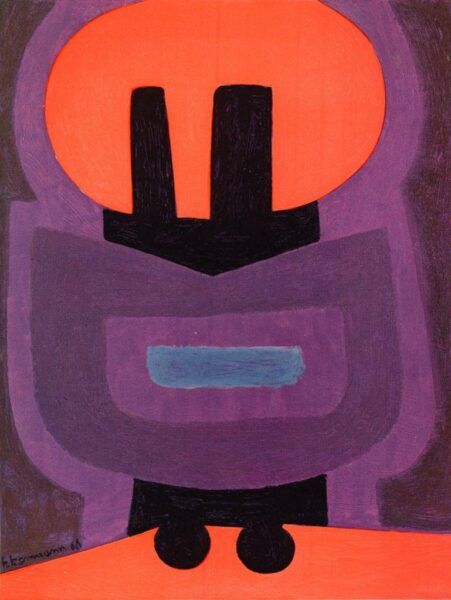
Max Ackermann. Violet Center. 1968. Part of The Renaissance Society (University of Chicago), Artstor.
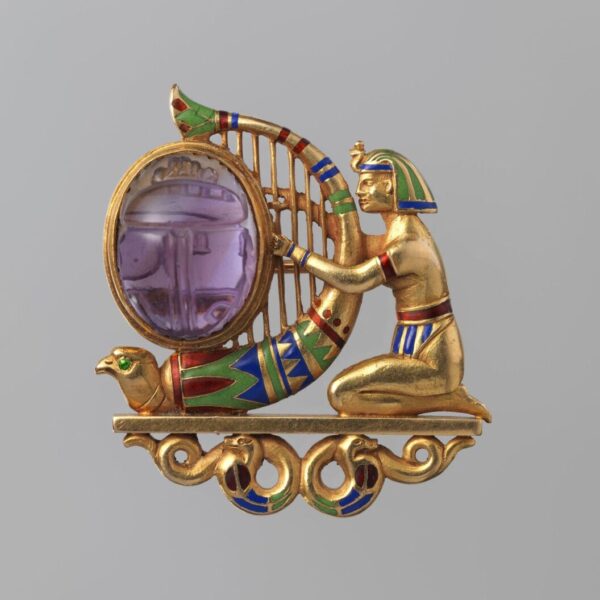
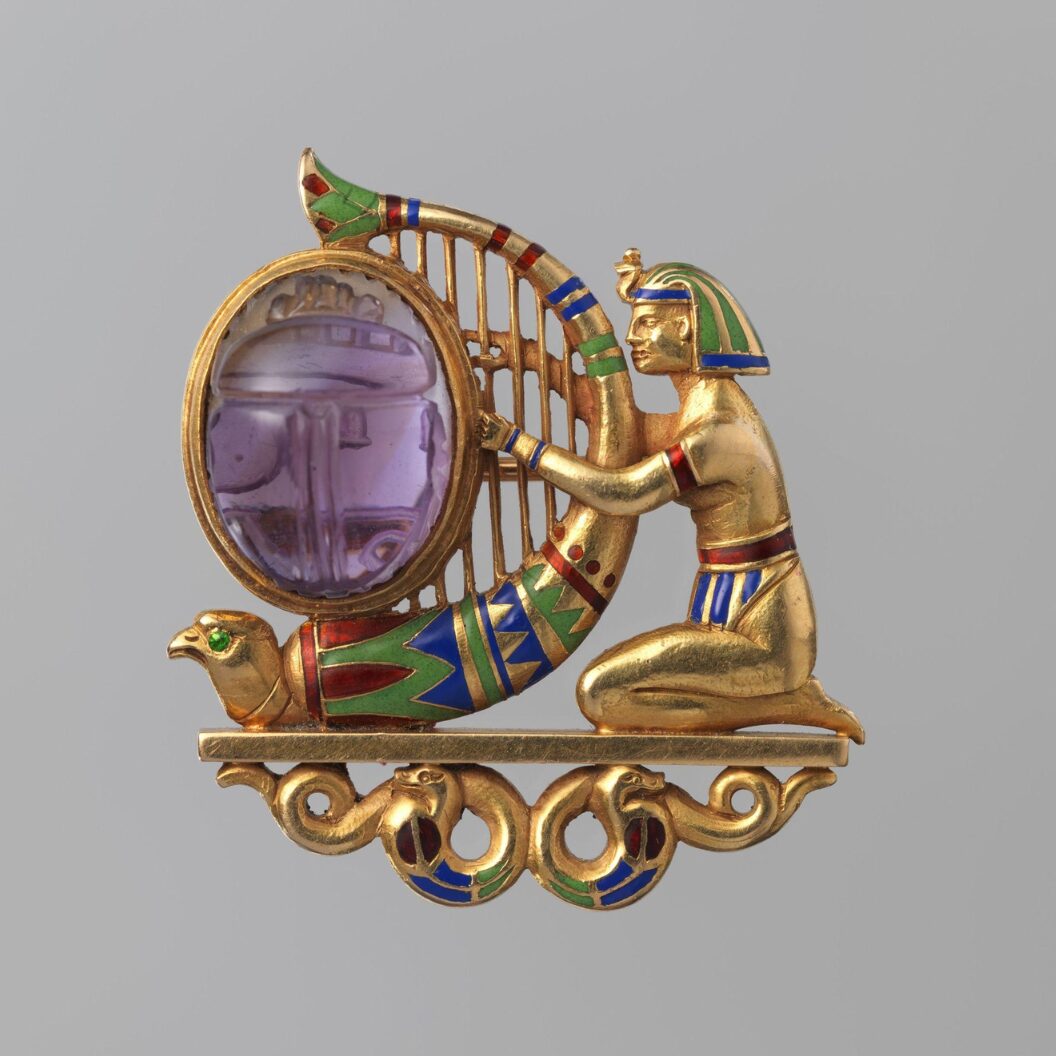
Theodore B. Starr. Brooch. ca. 1900. Part of Open: The Metropolitan Museum of Art, Artstor.
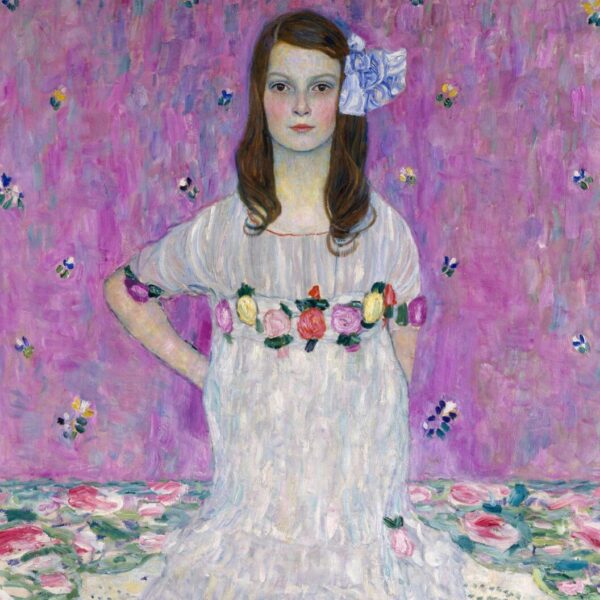
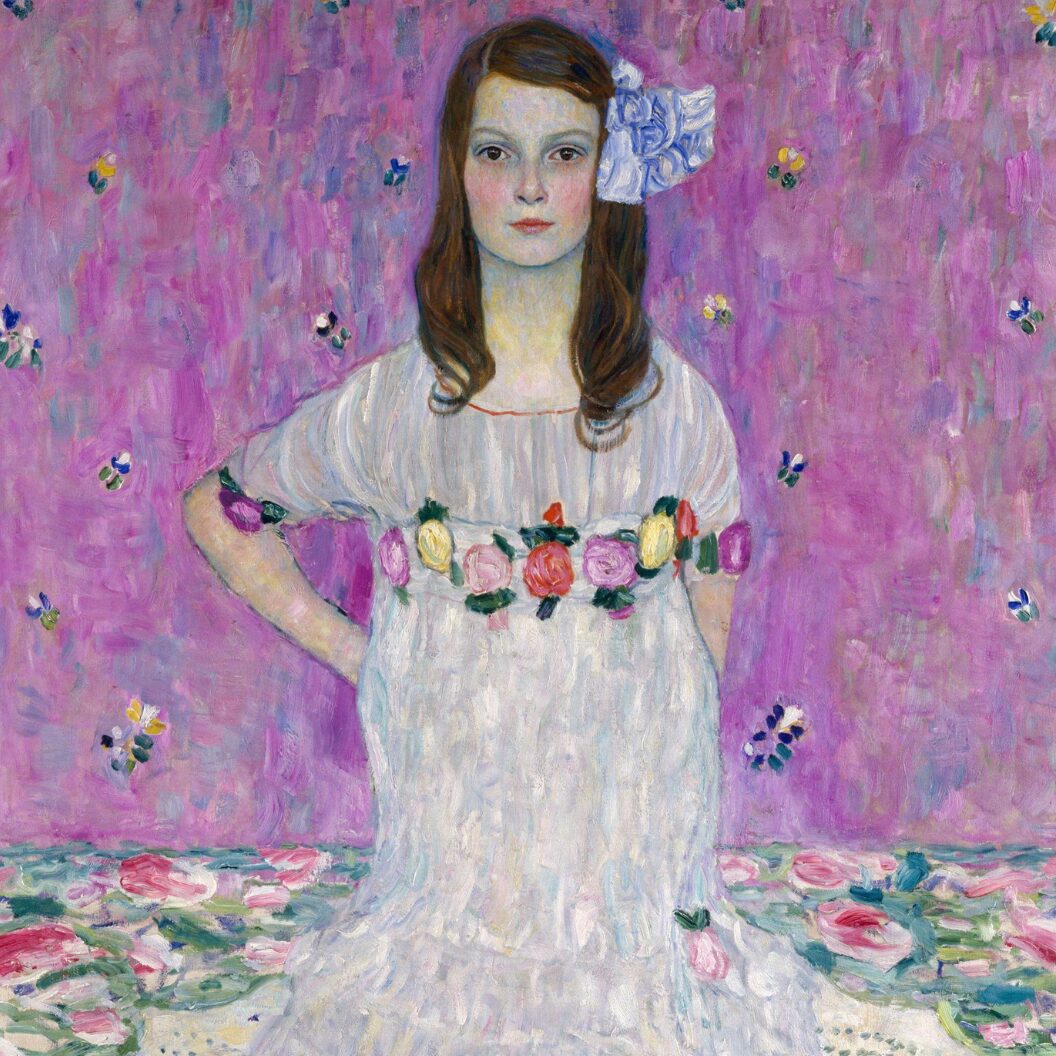
Gustav Klimt. Mäda Primavesi. 1912-13. Part of Open: The Metropolitan Museum of Art, Artstor.
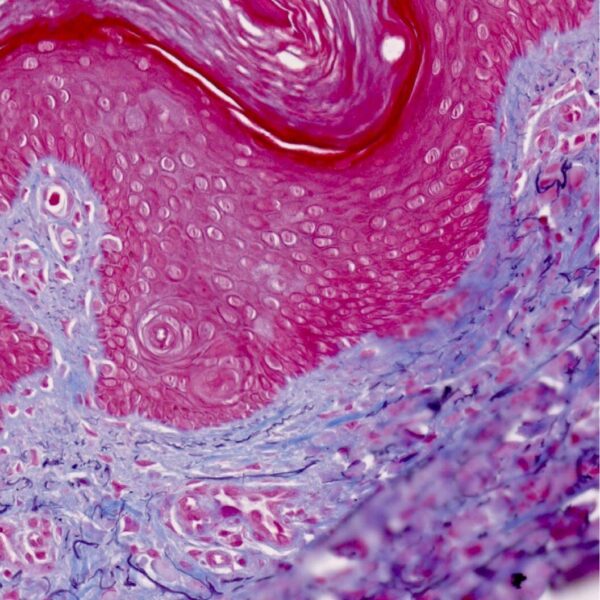
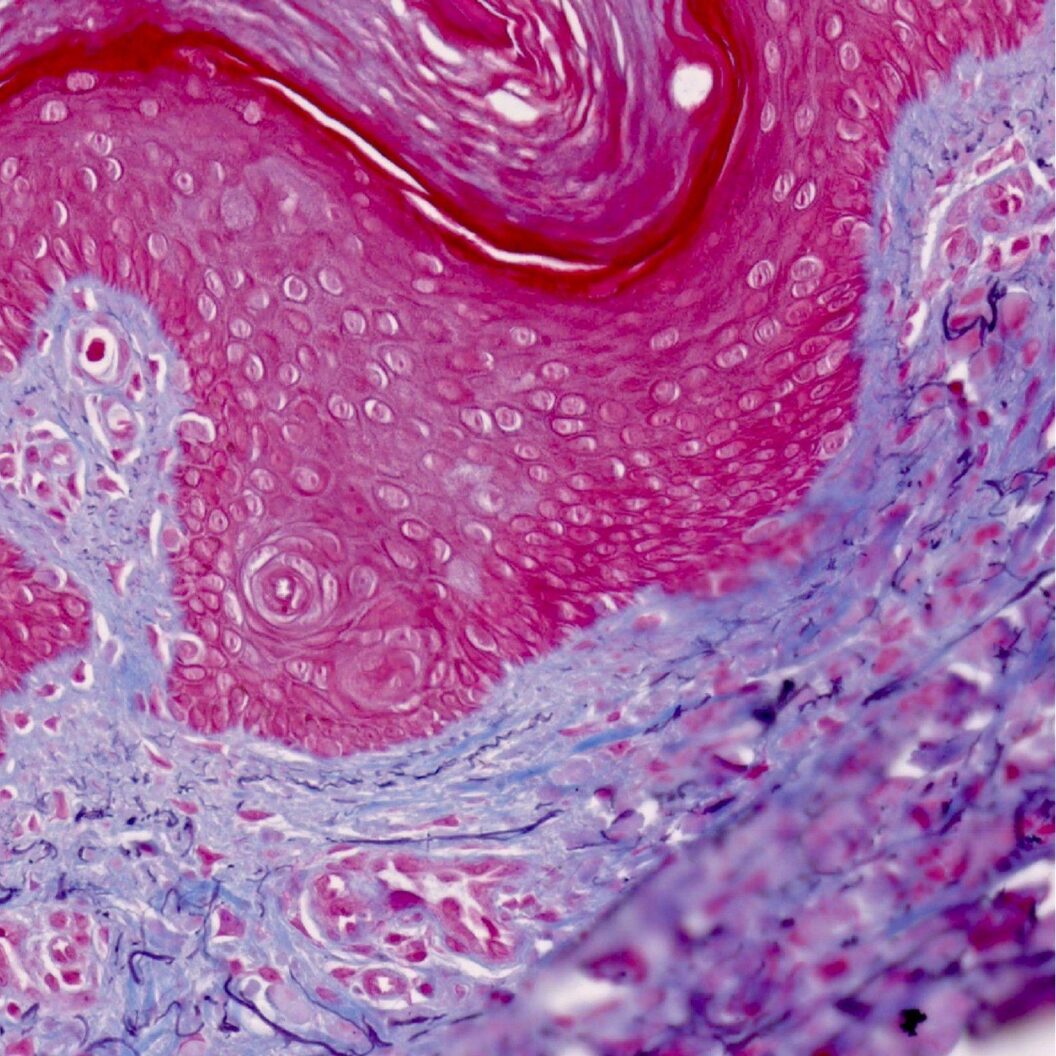
Kevin Mackenzie, University of Aberdeen. Dermatofibroma, LM. n.d. Part of Open: Wellcome Collection, Artstor.
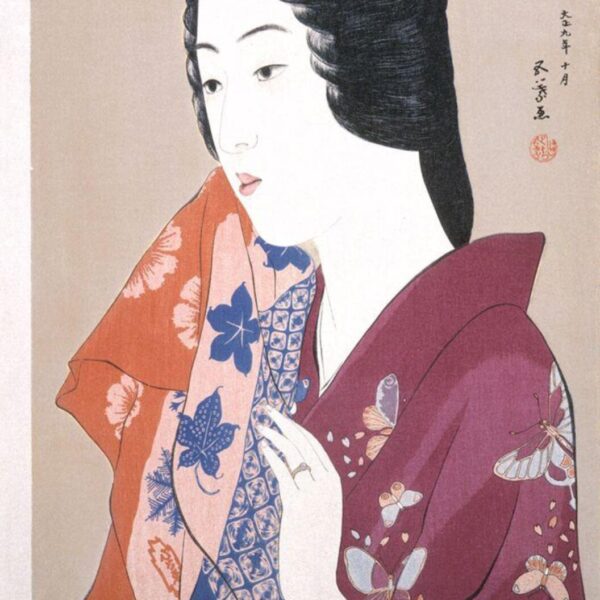
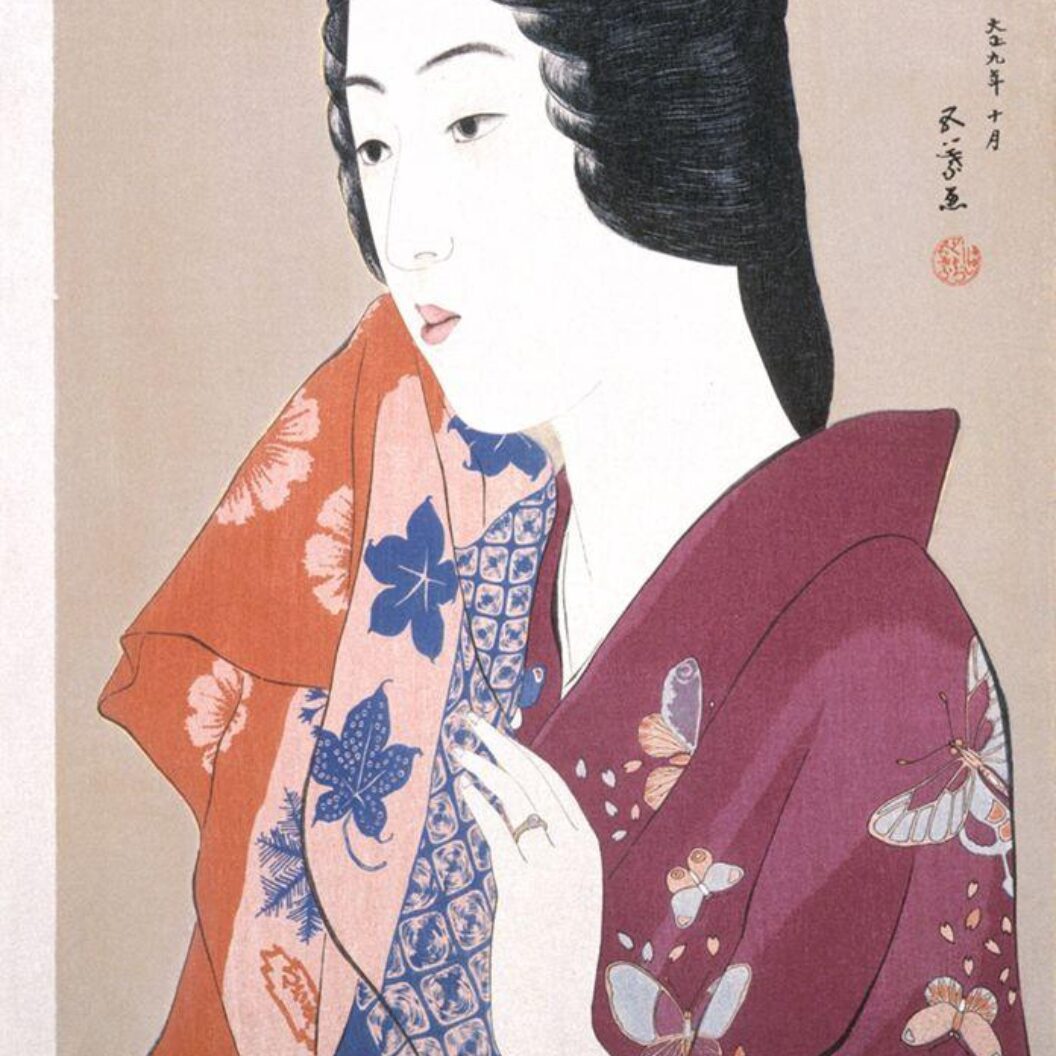
Hashiguchi Goyo. Woman in Purple Kimono. 20-Oct. Part of Los Angeles County Museum of Art, Artstor.