
JSTOR Blog
-
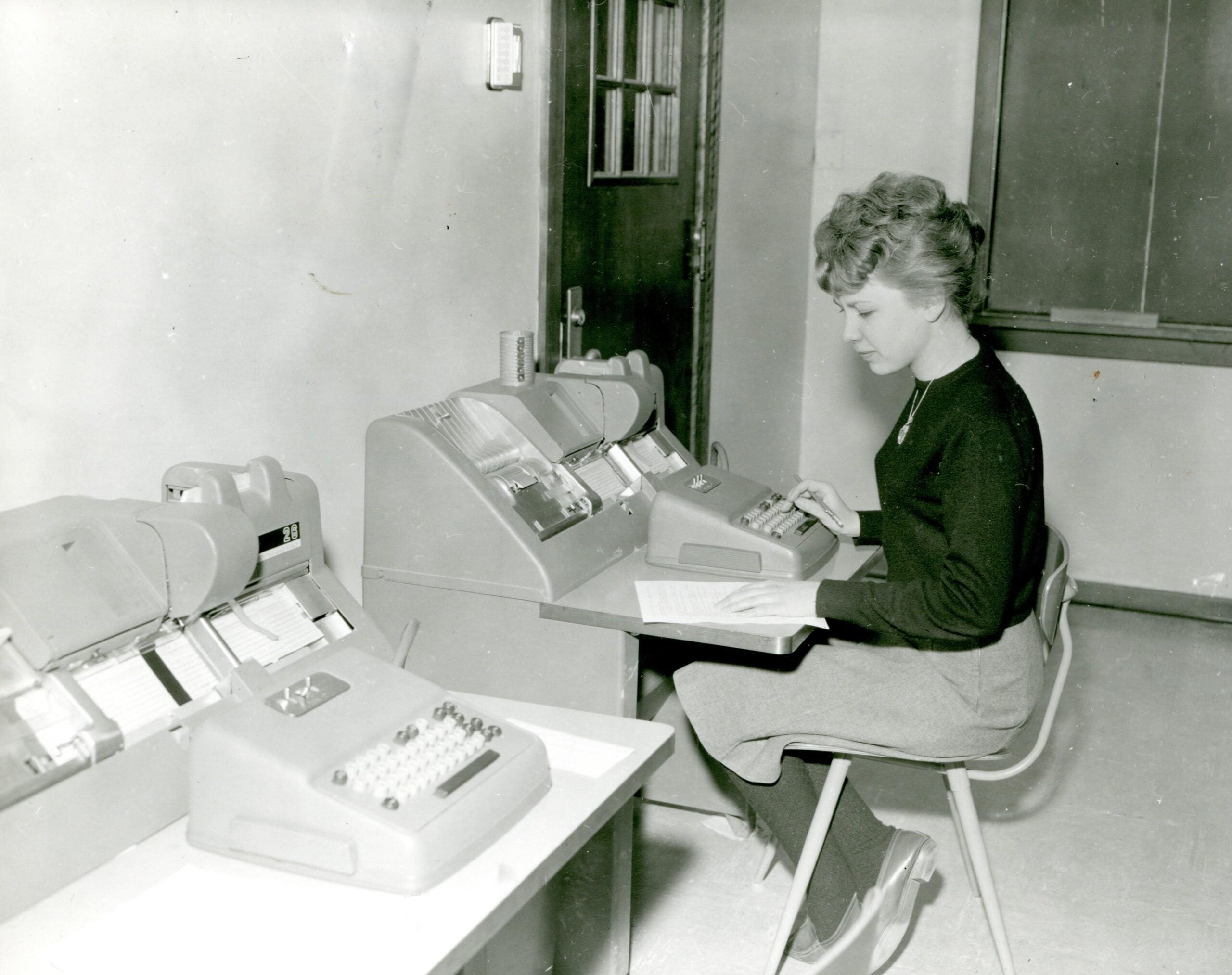
Digital preservation is the act of safeguarding and maintaining access to information and cultural heritage, ensuring it can withstand the test of time and technological change.
-
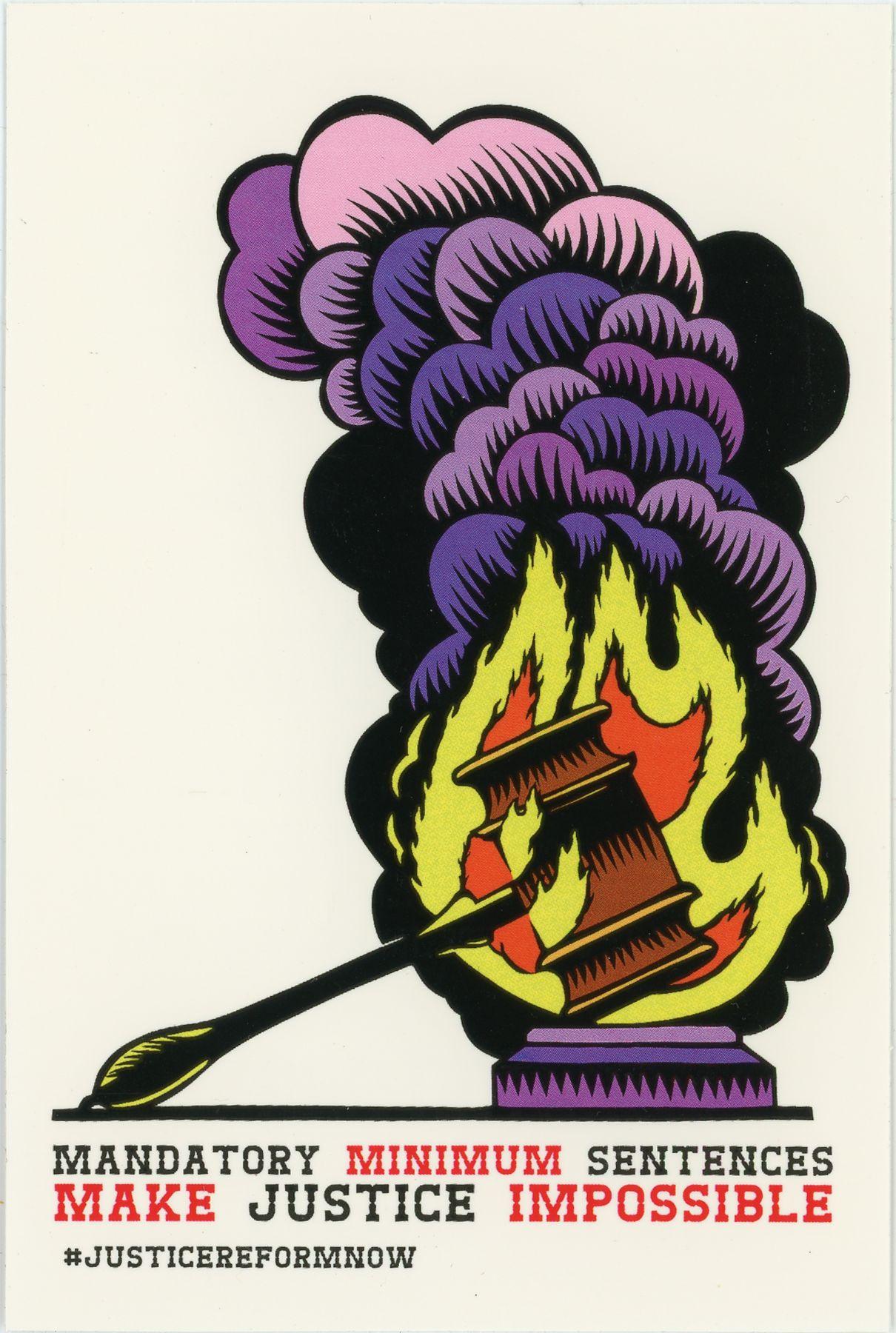
Explore Phillip Vance Smith II’s journey through the carceral system, shedding light on the impact of mandatory minimum sentencing and the challenges faced upon reentry into society.
-
Discover one woman’s inspiring journey from prison to college graduation, highlighting the impact of mentorship and the challenges faced by individuals with convictions on-campus.
-
Striving to overcome a challenging past, Elisha shares her journey from a jail cell to pursuing a dream of becoming a pilot. Embracing hope and resilience, this story sheds light on the transformative power of second chances.
-
In 2020, Johns Hopkins University faced sudden closure due to COVID-19. Discover how the Special Collections team adapted by partnering with JSTOR Forum, revolutionizing access to materials for faculty and students alike.
-
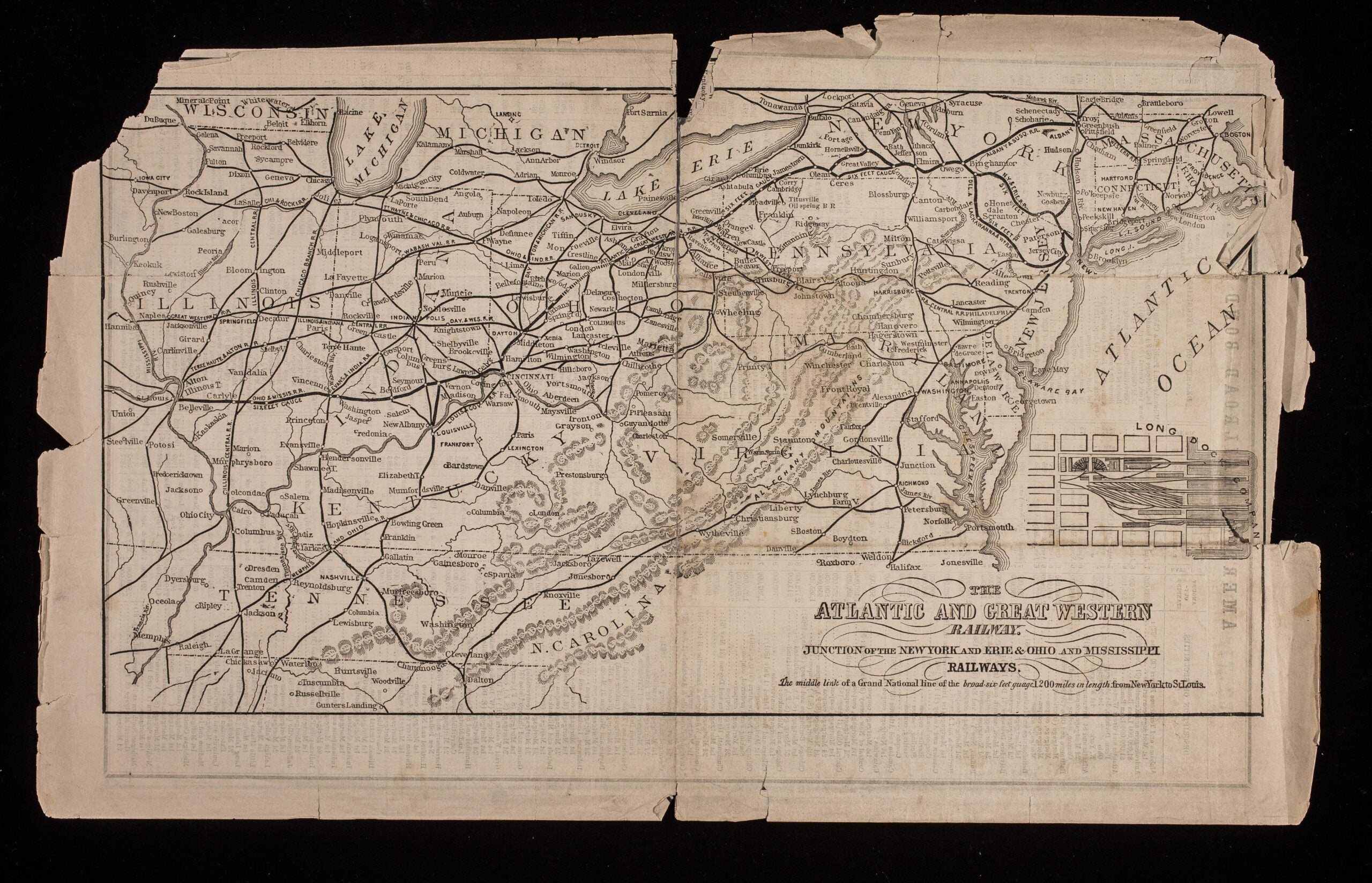
Explore how Skidmore College digitizes its special collections in this insightful blog post detailing David Seiler’s efforts in leading the transition to the digital age.
-
Struggles of reintegration post-incarceration are examined through personal experiences in this essay, highlighting challenges in navigating systemic barriers, including conflicts faced in a work release program. An individual shares insights on leveraging prison education amidst the complexities of reentry.
-
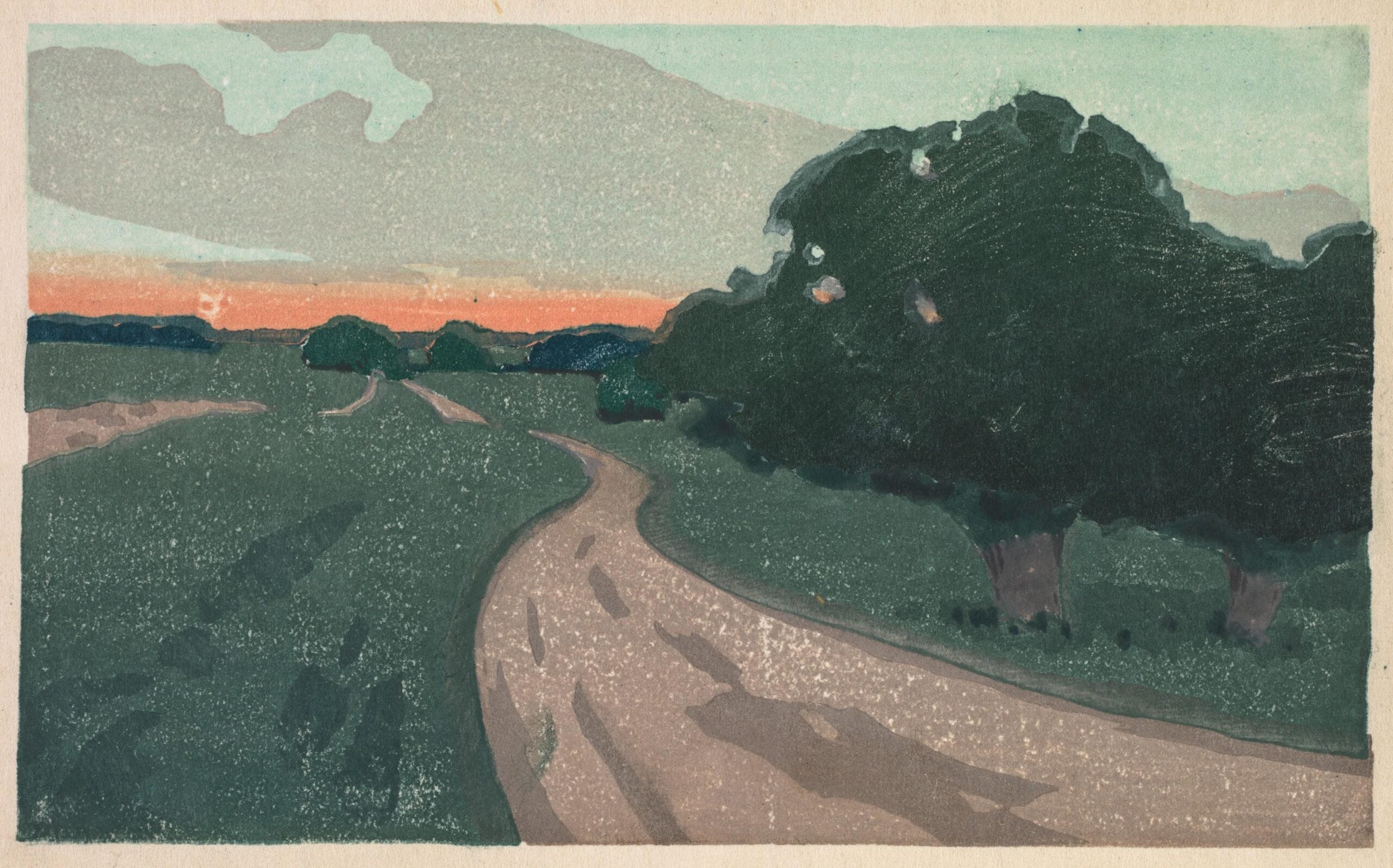
Discover a vibrant collection of over 750 Art Resource images on Artstor featuring works by renowned artists from 1910 to 2004, including Kubota, Krasner, Lawrence, and more.
-
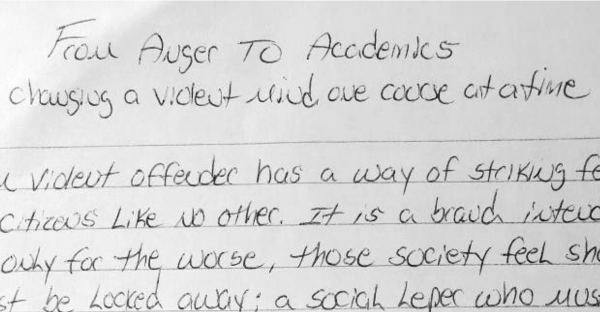
I was faced with a choice early on with my incarceration: allow violence dominance over my life, giving prejudice exactly what it wanted, or change, showing that violent offenders are more than lost causes. I chose the latter, and education would be my cure to cleanse me of this leprosy.
-
“Second Chance Mentality: First Chance Reality,” presented by JSTOR Access in Prison, is our 2024 contribution to Second Chance Month. Each week we will offer a direct portal into the minds and hearts of experts on incarceration who we hear about, but not from. I hope to foster a deeper understanding and human connection through…
-
Last year’s presentation during Second Chance 2023 was a pivotal moment for me. It was an opportunity not just to share the intricacies of disability within prison walls—a subject close to my heart—but to rekindle the spark of my former self that I thought prison had extinguished.
-
Discover how researchers and students explore the usage of ChatGPT in generative AI. Learn how this collaboration led to JSTOR’s AI tool development and improved search features tailored for students’ needs, reflecting ITHAKA’s community-driven ethos and commitment to expanding knowledge access.
-
Unveiling the critical role of trust in open access publishing, highlighting the DOAB Trusted Platform Network’s mission to combat predatory practices and uphold quality. Learn how initiatives like JSTOR ensure the integrity of scholarly works, facing challenges from perceptions of quality to generative AI, and fostering a sustainable open access ecosystem.
-
Reveal Digital develops open access primary source collections from underrepresented 20th-century voices of dissent, crowdfunded by libraries. In a session during ER&L’s annual conference, Peggy Glahn, Associate Director of Reveal Digital, discussed the six collections that are currently accessible, and talked about the shift they represent in Open Educational Resources (OERs).
-
Dedicated to improving global access to knowledge and education, ITHAKA collaborates with a diverse community for a rewarding journey. Learn about our 2023 milestones achieved together.
-
Discover how technology like generative AI can aid students in understanding complex concepts while emphasizing the importance of close reading and deep engagement. Explore the potential of social annotation technology in learning to read challenging scholarly materials.
-
Discover highlights from the Coalition for Networked Information’s biannual membership meeting, where discussions revolved around networked information technologies in higher education and research. Explore the outcomes of JSTOR’s Open Community Collections program, showcasing the benefits for participant libraries in terms of reach and visibility.
-
The JSTOR Access in Prison theme for April 2024 is “Second Chance Mentality” First Chance Reality.” The title was the result of sessions with learners who were sentenced as juveniles and spent decades in prison.
-
Learn how presses, libraries, and authors are tackling the challenges of open access publishing by exploring JSTOR’s Path to Open program.
-
Learn how JSTOR Access in Prison has expanded to 1,000 sites, reaching nearly 500,000 incarcerated individuals worldwide. Join us on this audacious journey of education and empowerment.
-
Explore the impact of ChatGPT on the JSTOR academic community and discover JSTOR’s research tool in this blog post. Learn about our approach to machine learning and advanced technologies in academia.
-
JSTOR has introduced an enhanced PDF viewer for journals and primary source text content. This viewer is designed to optimize the reading experience and improve user satisfaction. Explore the new viewer for an enhanced and user-friendly experience on the JSTOR platform.
-
Partnering with libraries, publishers, and museums, ITHAKA reduces costs and preserves scholarship for the future with digital special collections.
-
Portico has earned its reputation as a trusted guardian of digital content for publishers, with over 1,000 publishers and 1,000 libraries worldwide relying on its time-honored preservation approach. Portico centers long-term content management and organizational commitment, as well as a dedication to addressing the needs of future scholars.
-
The emergence of open access is reshaping the way scholarly information is disseminated and consumed. In this comprehensive exploration, we will delve into what open access is and how JSTOR, our renowned digital library, is playing a crucial role in facilitating open access for academic journals, books, art, and research reports.
-
Libraries asked for long-term preservation. ITHAKA’s Preserved Collections with Portico delivers a managed, workflow-friendly way to safeguard diverse collections, extending Open Community Collections and JSTOR into durable digital stewardship.
-
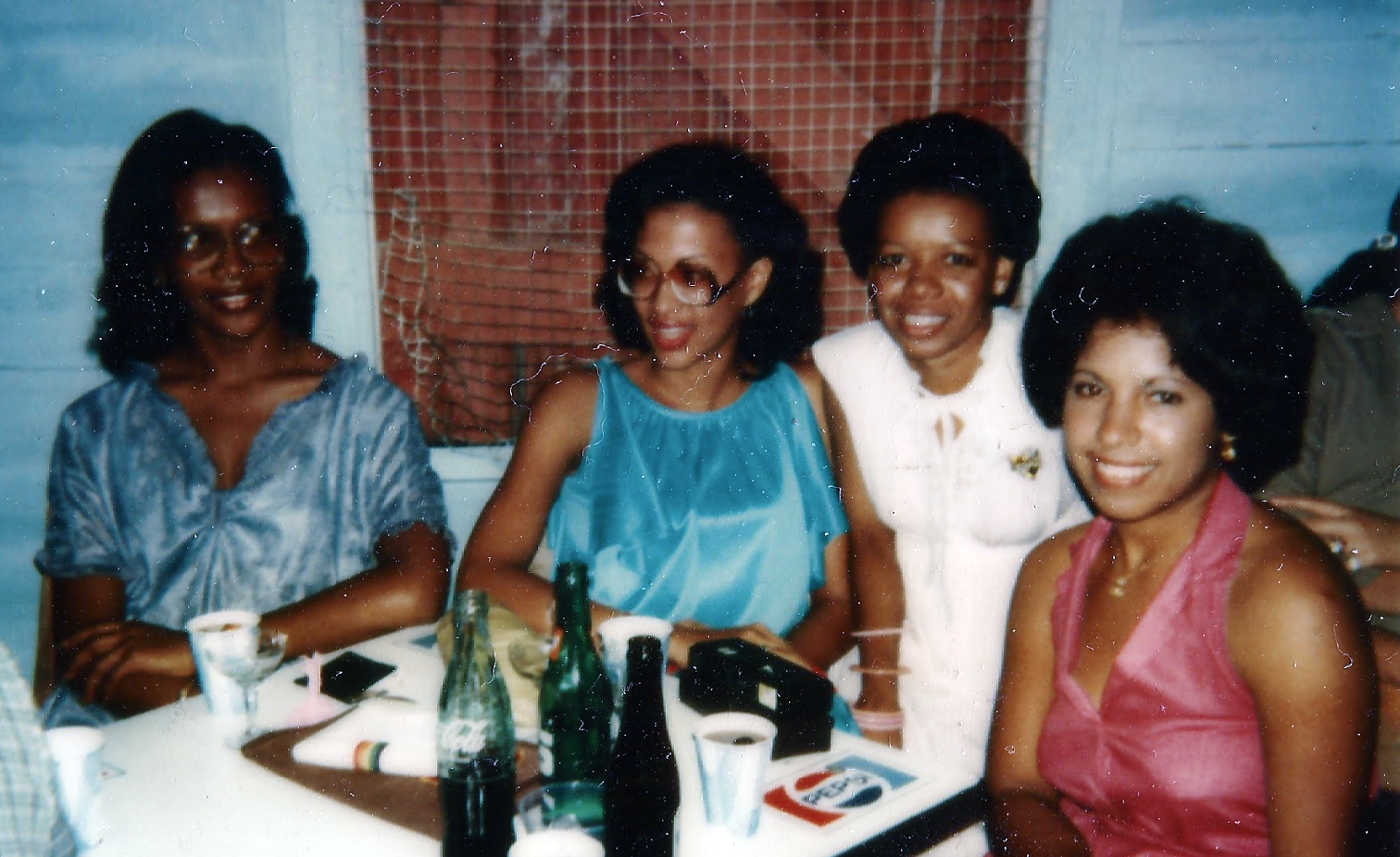
Growing up in Miami, Florida, surrounded by Caribbean cultures across the diaspora, I developed a strong sense of identity as a proud Caribbean creative, a Belizean Cuban American designer. My intersectionalities have significantly influenced my creativity and the stories I choose to tell through my work as I delve into the importance of preserving family…
-
Text analysis informs decision-making across a broad swath of industries and domains. Organizations and businesses leverage text analysis to extract meaningful information from a range of texts including customer reviews, social media posts, and support tickets. Researchers use text analysis to find critical information quickly. Text analysis enables automated content categorization for organizing and understanding…
-
ITHAKA is partnering with our community to harness AI and advanced technologies responsibly, grounded in scholarly values, research, and a JSTOR beta that empowers learners.
-
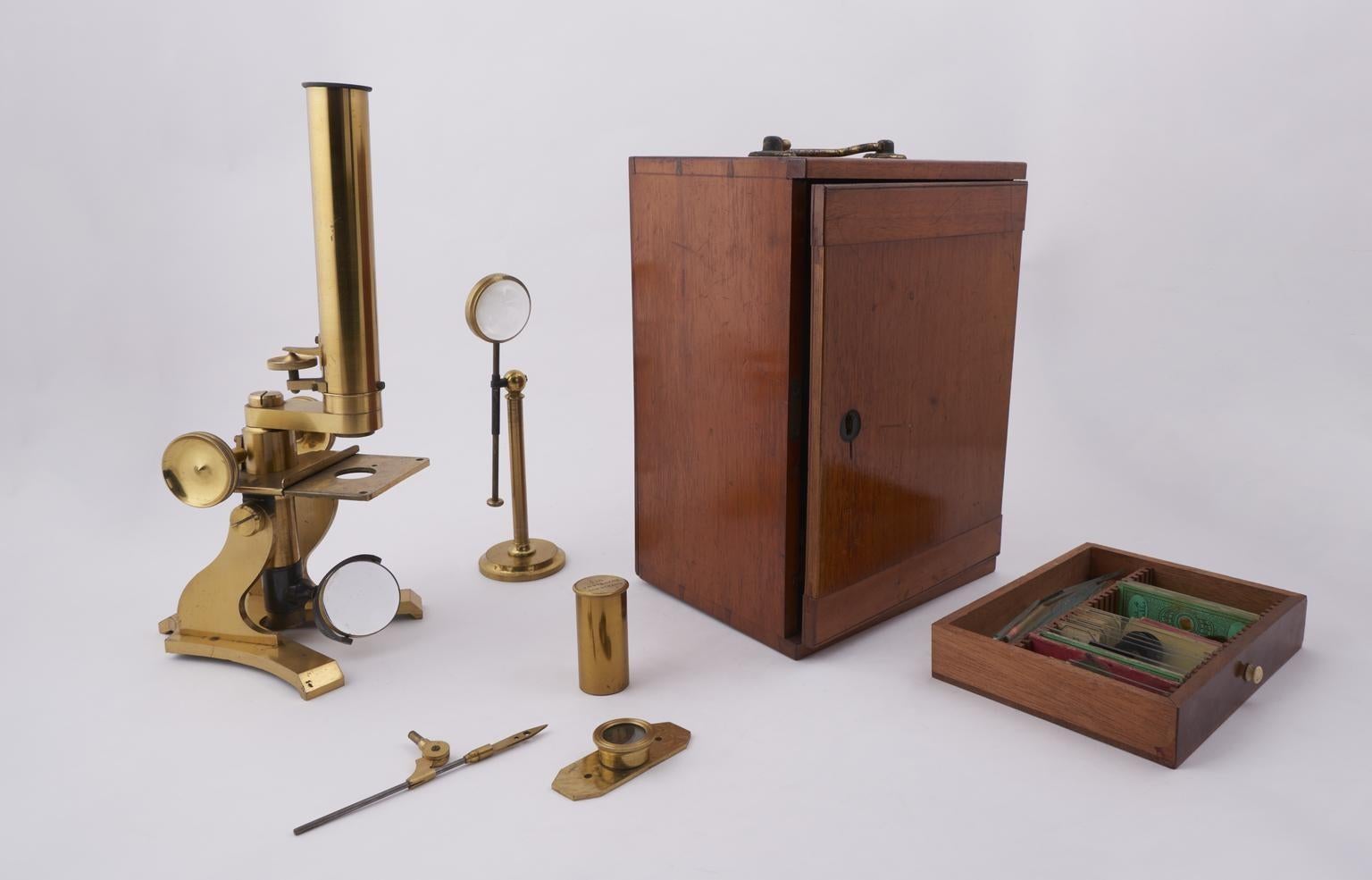
Artstor on JSTOR is not just for art! This extensive visual resource includes rich photo archives and interdisciplinary collections in fields like medicine, literature, and STEM.









Sign up for updates
Never miss a thing. Get updates from JSTOR delivered straight to your inbox.
By signing up you agree to our Privacy Policy. You may unsubscribe at any time by clicking on the provided link on any marketing message.
"*" indicates required fields