
JSTOR for educators
As a mission-driven nonprofit, we partner with educators worldwide to bring scholarship into the classroom. From ready-to-use teaching materials to diverse content and digital tools, we help you save prep time, build research skills, and inspire deeper student engagement.
Here’s where you can explore resources and features designed to support your teaching.
01
The latest teaching resources
How JSTOR supports smarter research workflows
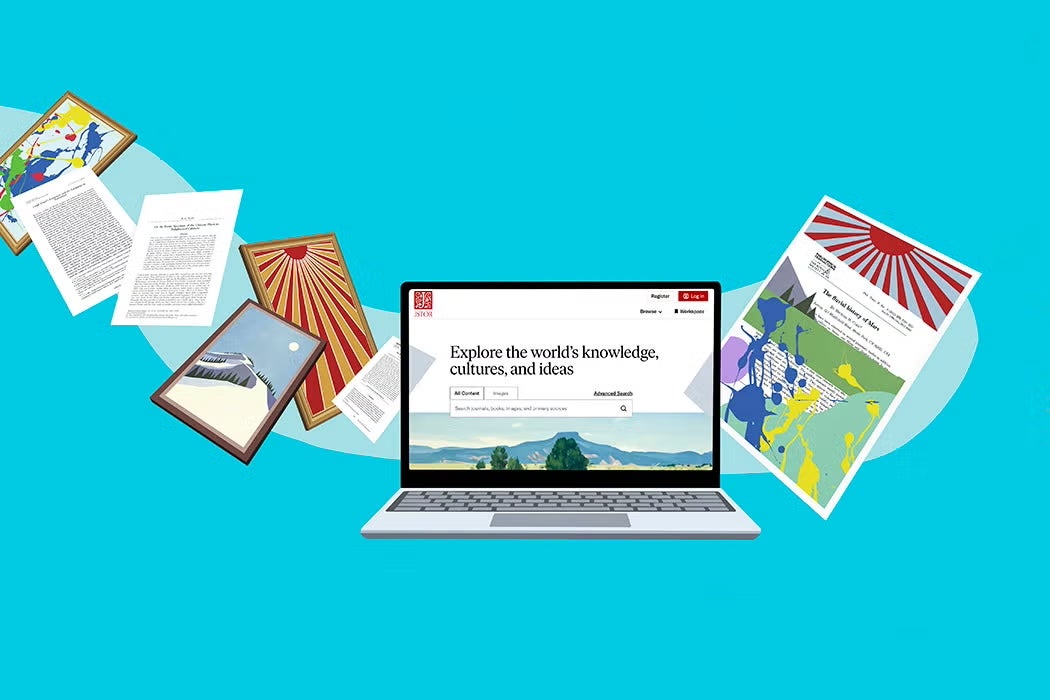
JSTOR helps teaching librarians, faculty, students, and new researchers move from early search to stronger synthesis by bringing together scholarly content, primary sources, images, collections, Workspace, citation tools, and AI-enabled features in one research and teaching platform.
Charting the course of digital art history: University of California San Diego Library from Artstor to JSTOR
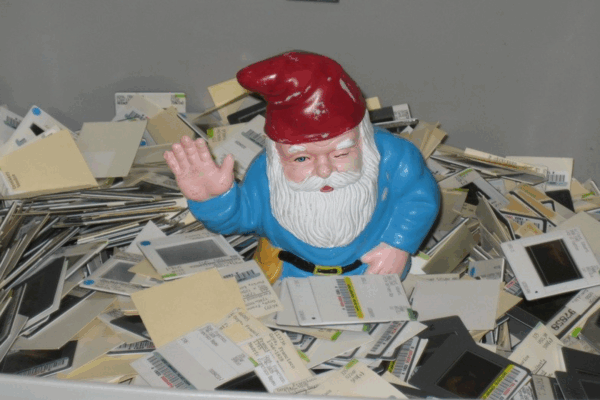
Explore how UC San Diego Library built a transformative 200,000-image digital collection for Artstor, its impact over two decades, and how the Visual Arts Legacy Collection enters a new chapter on JSTOR.
Teaching with the American Prison Newspapers collection
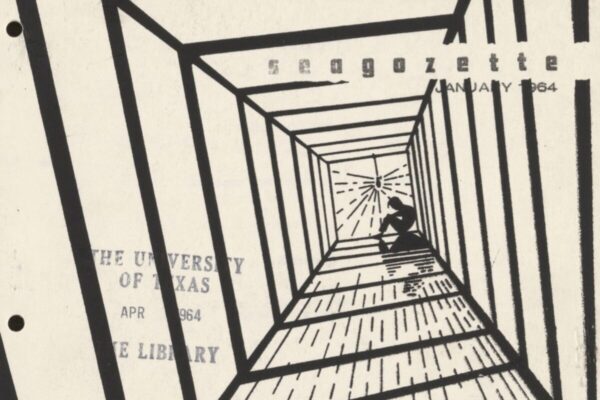
Curricular materials, guides, and readings designed to help educators and students teach with the American Prison Newspapers collection, centering incarcerated voices and critical inquiry.
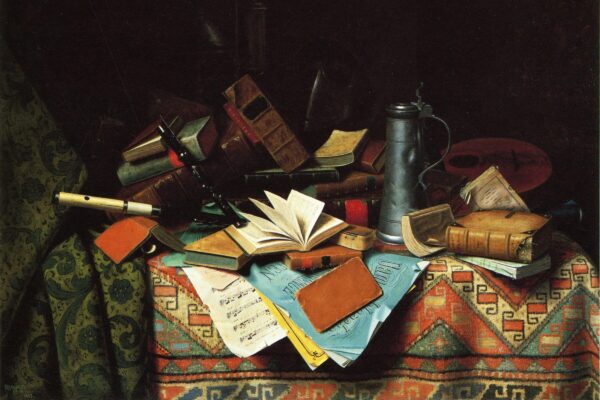
Your time constraints are our concern: How JSTOR’s AI research tool maximizes efficiency
Educators Bess Wilhelms and Steve Hermann use JSTOR’s AI research tool to save time, plan lessons, and boost student engagement through accurate, trusted insights.
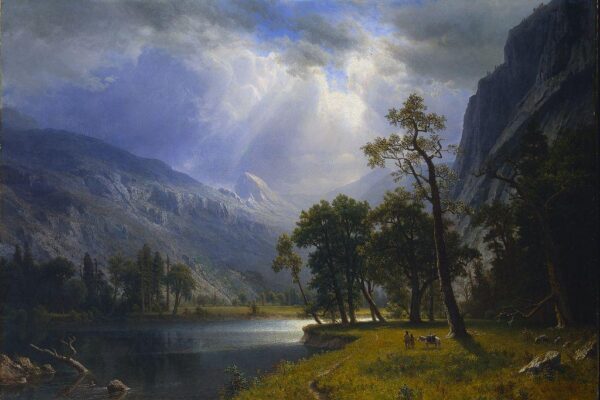
Make the most of your JSTOR experience with Workspace
When art historian and instructor Sienna Weldon discovered JSTOR’s Workspace, her research process transformed. What began as a simple bookmarking tool became a powerful, intuitive way to organize, annotate, and revisit materials—all in one place. Now, Sienna uses Workspace not only to streamline her own projects but also to empower students to approach research with confidence and curiosity.
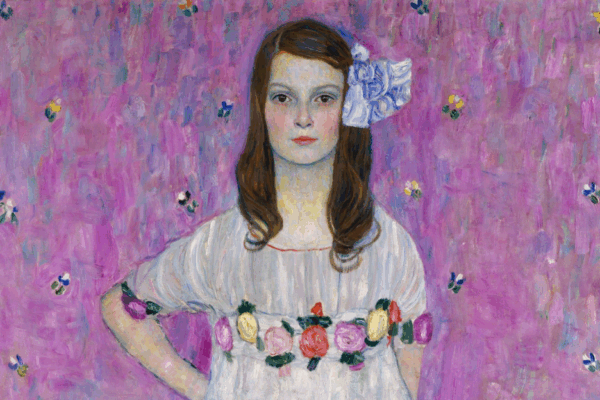
Slow art: Analyzing art in an image-saturated age
Help students slow down and truly see art in an image-saturated age. Adapted from art historian Carson Smith’s classroom project, this resource guides students in creating their own mock museum exhibitions using JSTOR and Artstor. Through “slow looking,” collaborative research, and curatorial storytelling, students practice visual analysis, connect art to cultural context, and rediscover the joy of attentive seeing.
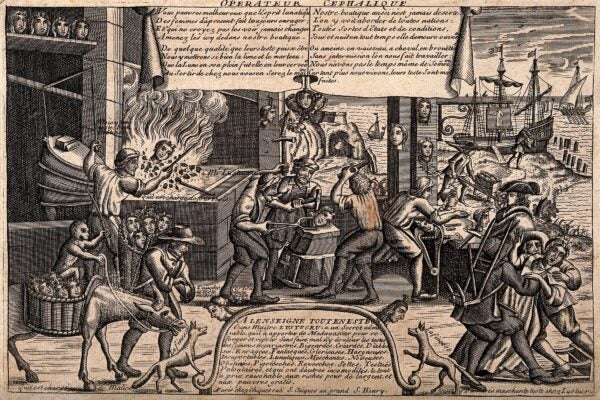
From isolation to connection: Maria Rovito’s journey with JSTOR
For educator and researcher Maria Rovito, JSTOR became more than a research tool—it became a bridge from isolation to connection. Drawing on JSTOR’s interdisciplinary collections, Maria helps students trace the evolution of medical and cultural ideas while reimagining research as a collective act of care.
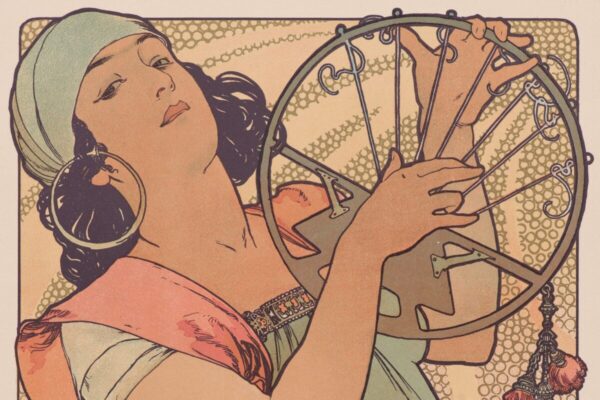
Teaching slow looking: Guiding students to engage deeply with art
Learn how a slow-looking project helps students engage deeply with artworks, build visual analysis skills, and create collaborative exhibitions using JSTOR and Artstor resources.
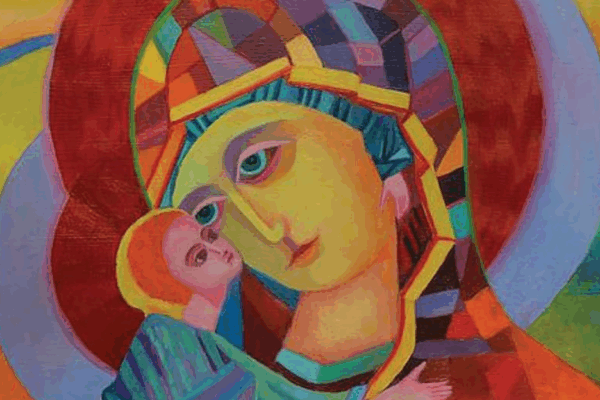
What scholars are reading: Top-read JSTOR ebooks and editor picks
Discover what’s captivating scholars across disciplines on JSTOR. From art and history to sociology and political science, we’re spotlighting the most-read academic ebooks—plus editor-recommended titles shaping today’s academic conversations.
02
JSTOR content for your courses
Open and free content
Expand access for all of your learners with open access journals, books, primary sources, research reports, and nearly one million public images. Use stable links for syllabi, course guides, and public-facing projects—even beyond your institution’s subscription.
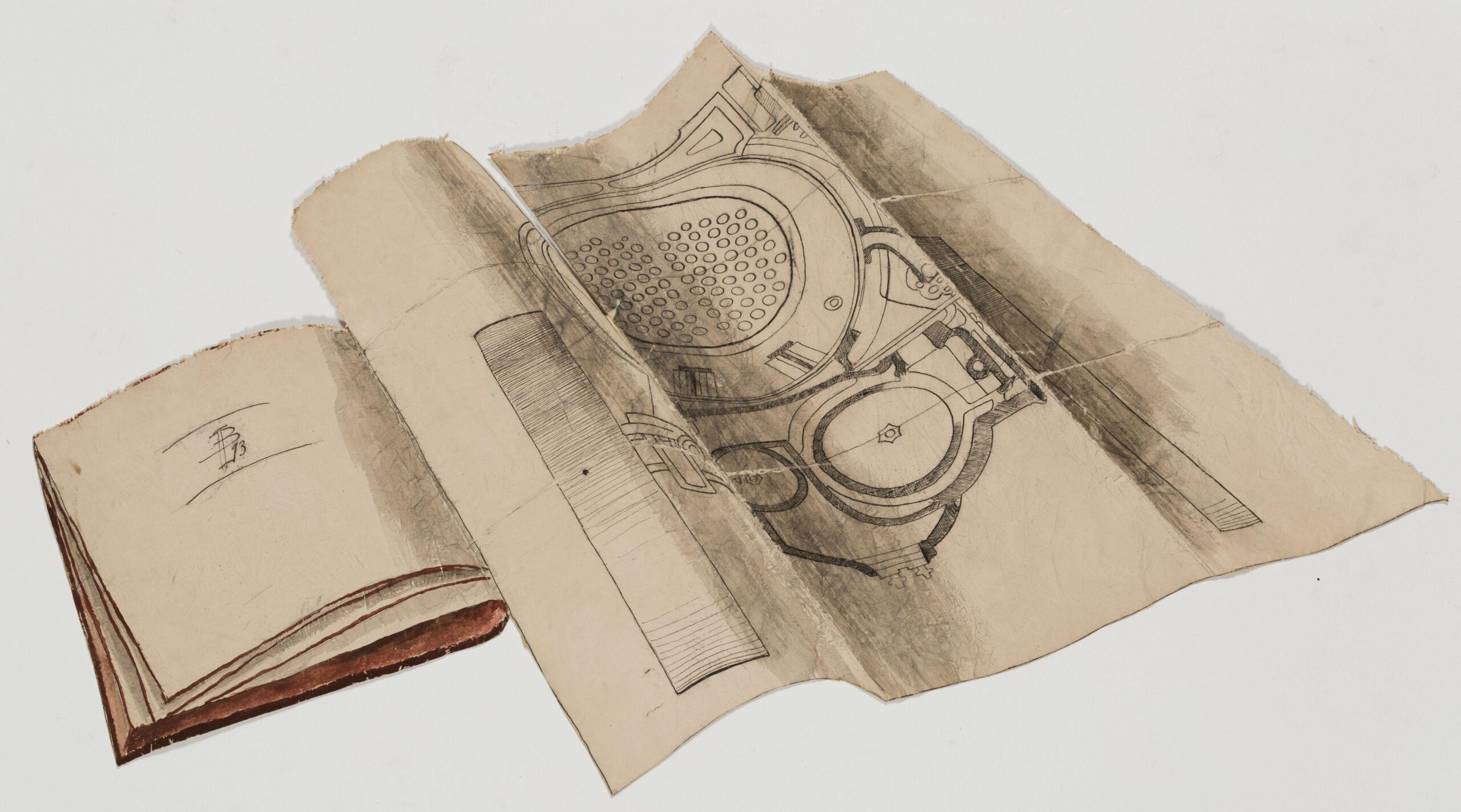
Journals
Help students work with peer-reviewed scholarship from day one. JSTOR offers 2,800+ academic journals across the humanities, social sciences, and sciences, with coverage back to first issues and reliable linking for syllabi, LMS modules, and reading lists.
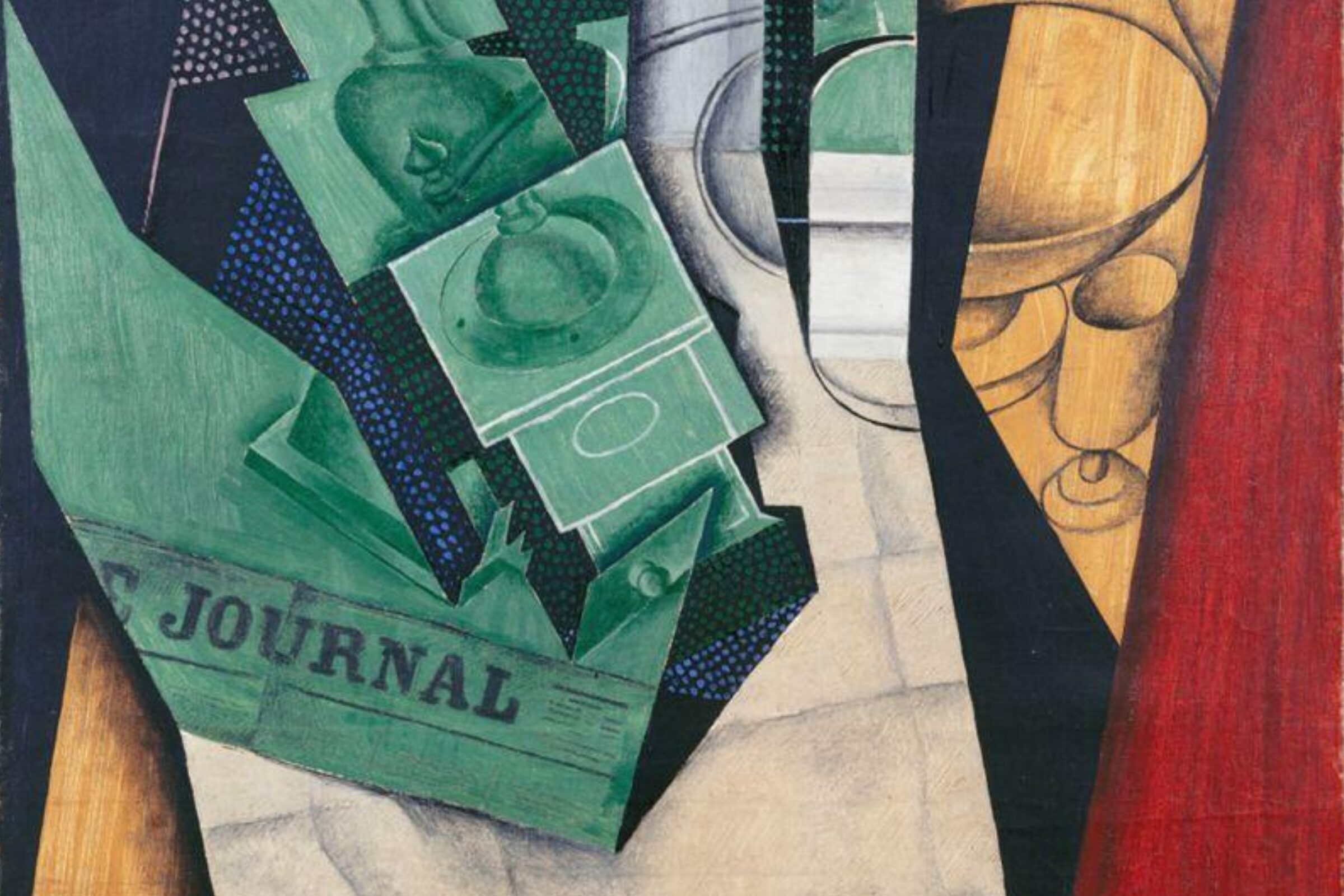
Primary sources
Bring history, culture, and lived experience into the classroom with millions of primary sources—from manuscripts and pamphlets to photographs, posters, and newspapers—discoverable alongside secondary literature on the same platform.
Books
Integrate chapters from 158,000+ DRM-free scholarly ebooks—including 13,000+ open access titles—from 340+ academic publishers. Chapters surface alongside articles and primary sources, helping students move from broad overviews to deeper evidence.
Images
Use more than 3 million high-quality images and multimedia from Artstor on JSTOR to build visual literacy, context, and engagement. Every record includes rights and source details to support classroom use, slides, and digital exhibits.
03
Ready-to-use teaching resources
Research roadmaps with guided strategies
Help students move from “I have a topic” to confident, efficient research. This librarian-written guide models how to form questions, choose keywords, use Boolean logic, and refine results—perfect for building foundational research literacy.

Teach students to ask deeper, scholarly questions
Strengthen critical thinking with an activity that helps students move beyond basic “why/how” questions. Using JSTOR Daily syllabi, this resource gives educators a ready-to-use framework for modeling analytical, discipline-specific questioning.

Support structured research writing with scaffolded steps
This five-step instructional model walks students from forming a historical question through secondary research, primary-source discovery, drafting, and revising. Ideal for research-based courses seeking clear, adaptable scaffolding.

Build stronger summary skills with structured practice
Use JSTOR Daily articles to teach students how to summarize for different audiences and purposes. This resource breaks down what to extract from a text, how to condense arguments, and how to adapt voice—skills essential across disciplines.
04
Teach with primary sources
Help students think like historians, critics, and researchers by working directly with original materials.
Primary sources on JSTOR—from archives, museums, and libraries around the globe—let students analyze evidence, compare perspectives, and situate scholarship in historical and cultural context.
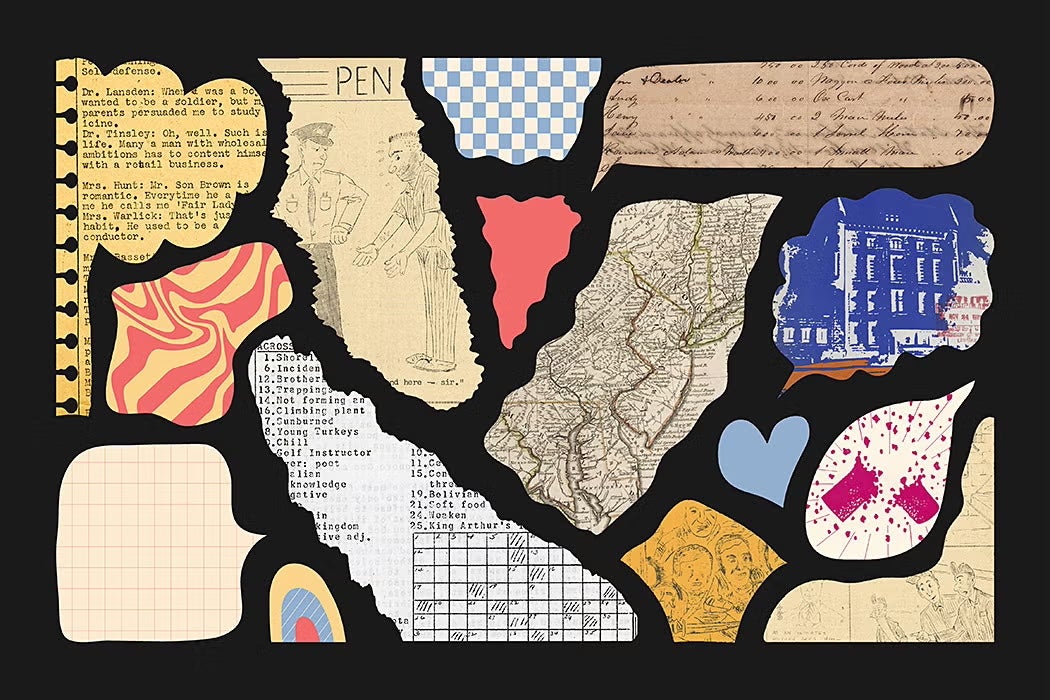
Help students uncover the stories behind primary sources
Equip learners with concrete strategies for detecting bias, questioning accuracy, and recognizing the humanity behind historical documents. This guided walkthrough includes ready-to-use prompts and discussion questions to strengthen source analysis.
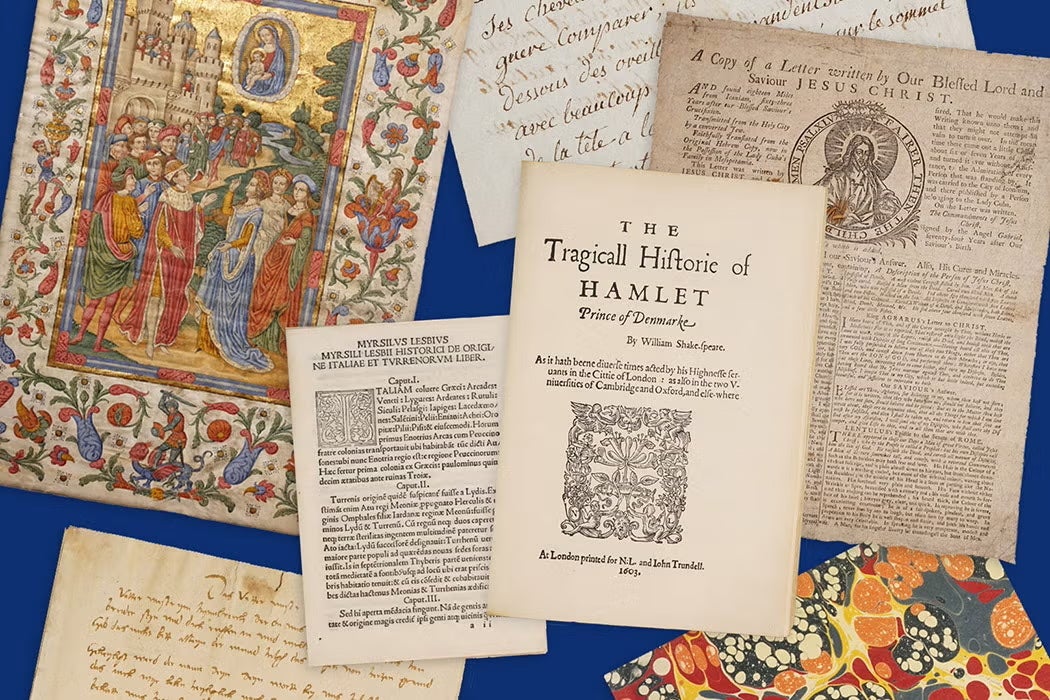
Use forgery case studies to build critical readers
Leverage the Bibliotheca Fictiva collection to help students interrogate authenticity, identify red flags, and understand how “fake news” has shaped history. These examples—from forged charters to invented gospels—offer powerful entry points for media literacy and historical thinking.
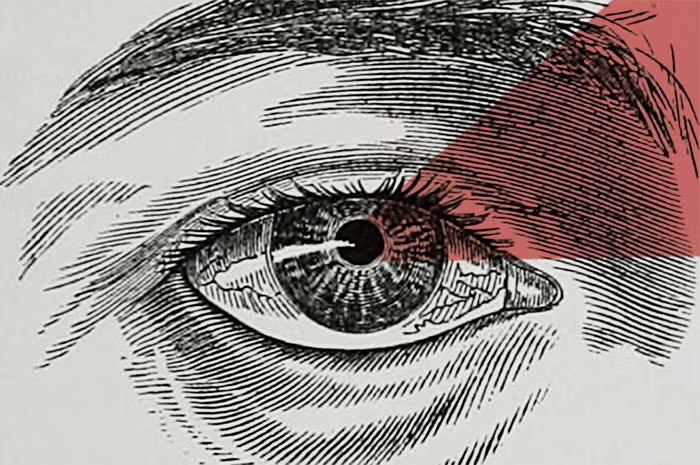
Sharpen students’ visual literacy skills with Learning to Look
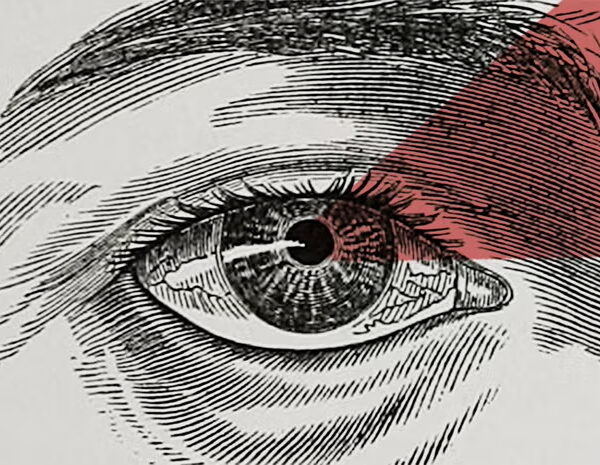
Move students beyond passive viewing and into true image analysis. Virginia Seymour’s Learning to Look series offers clear, classroom-ready strategies for unpacking composition, symbolism, and context—ideal for any course using visual materials.
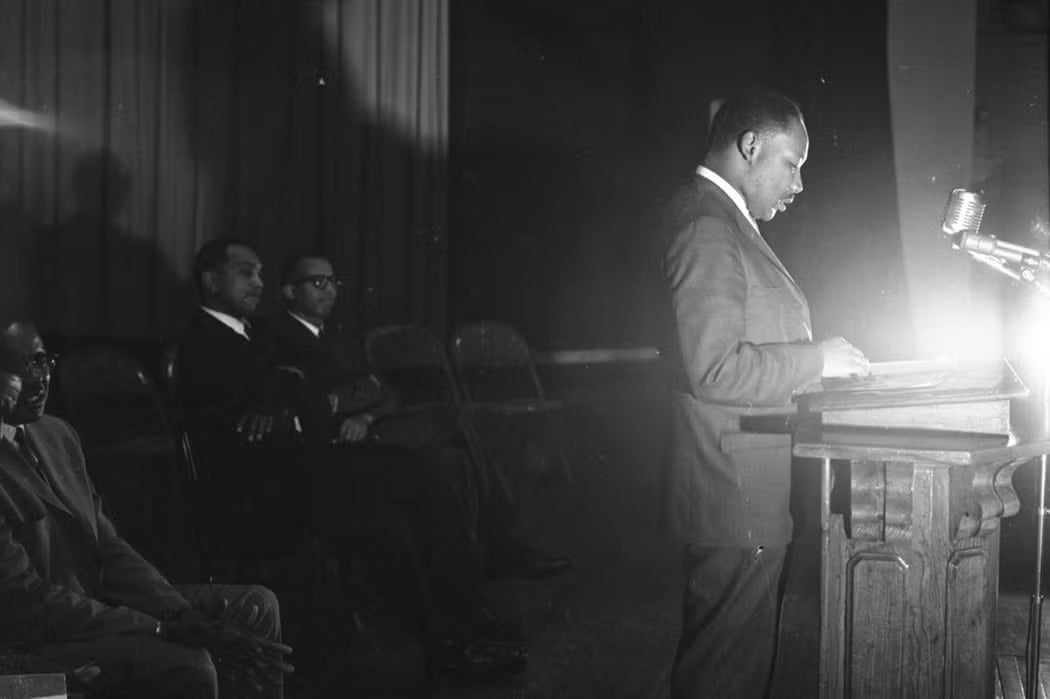
Teach Civil Rights history through rare archival voices
Deepen classroom discussions with archival recordings from Tuskegee University, highlighted in this JSTOR Daily feature. Students explore leadership, rhetoric, and community storytelling through firsthand Civil Rights–era audio.
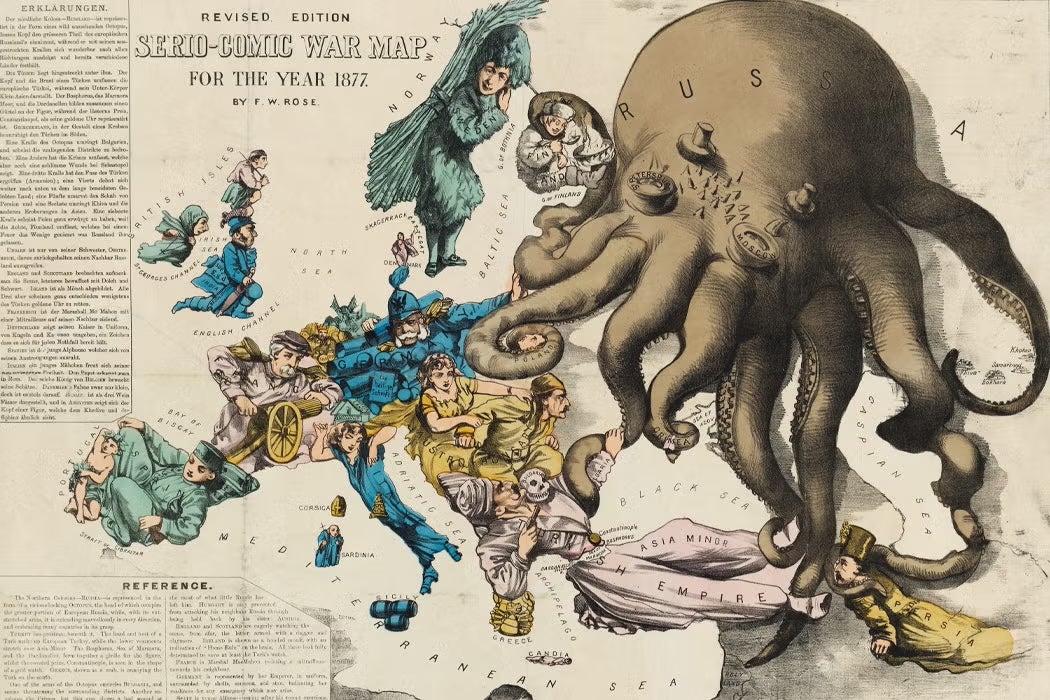
Bring maps to life with persuasive cartography
Introduce students to maps as tools of persuasion—not just geography. The PJ Mode Collection reveals how visual argument, propaganda, and political messaging have shaped public opinion over time. A strong resource for media literacy and visual rhetoric lessons.
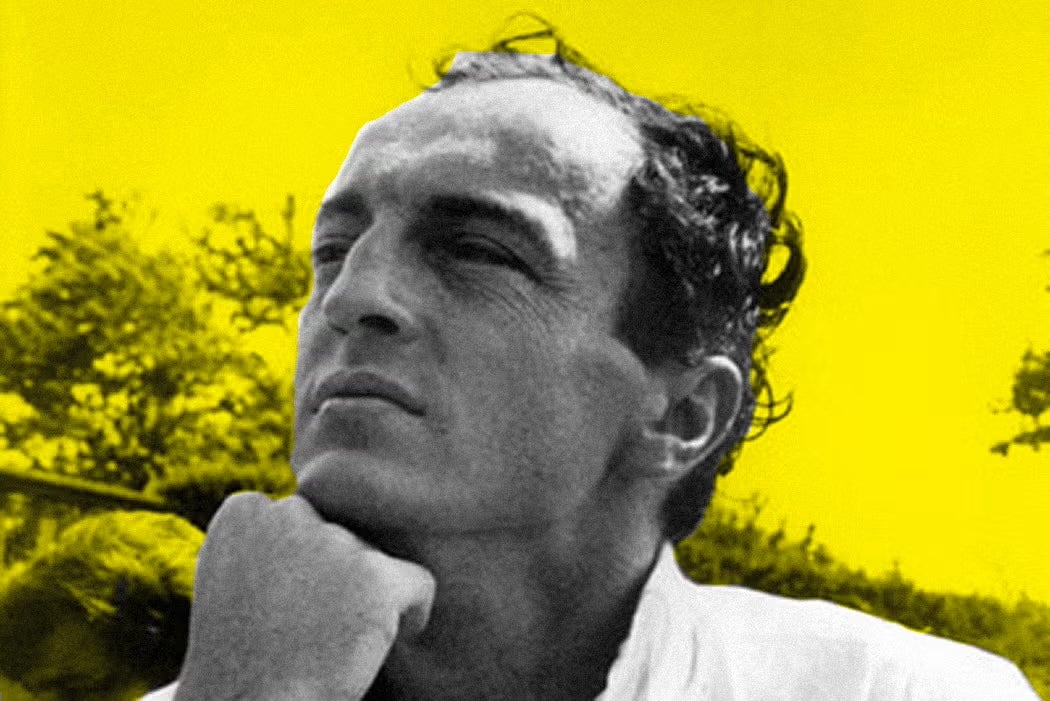
Teach modern poetry through Frank O’Hara’s work
Engage students with twelve curated poems, O’Hara’s “Personism” manifesto, and reflections by his contemporaries. This freely accessible collection supports lessons on voice, influence, and creative experimentation in 20th-century literature.
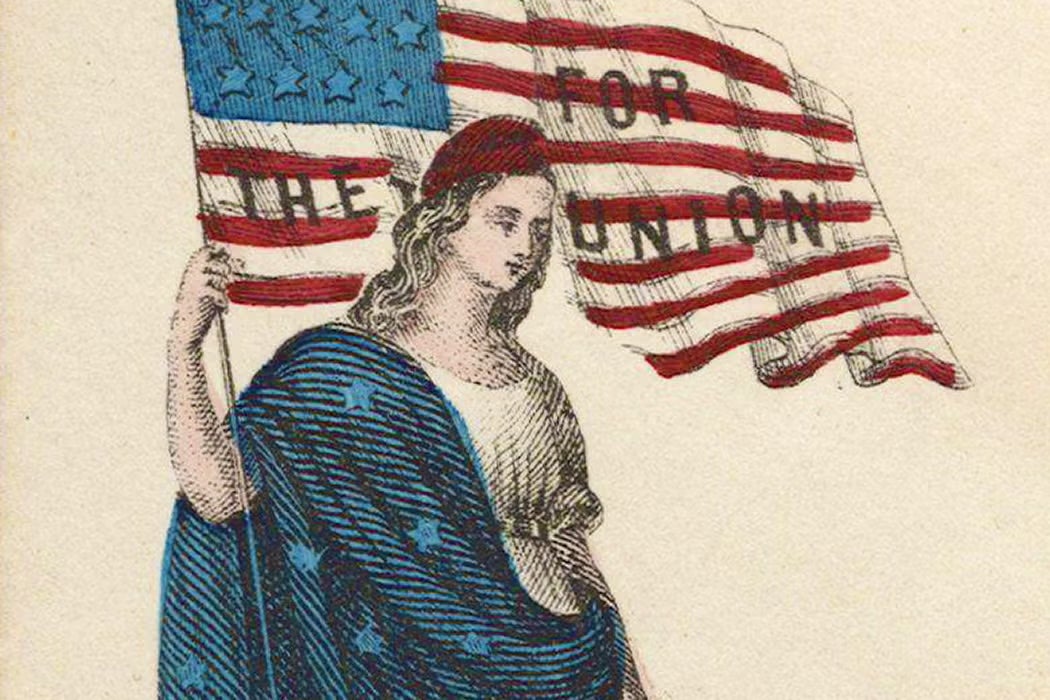
Explore the Civil War through vivid primary sources
Use envelopes, diaries, letters, and estate appraisals to help students examine propaganda, daily life, and the human impact of slavery and war. This collection brings Lincoln-era history to life through rich firsthand evidence.
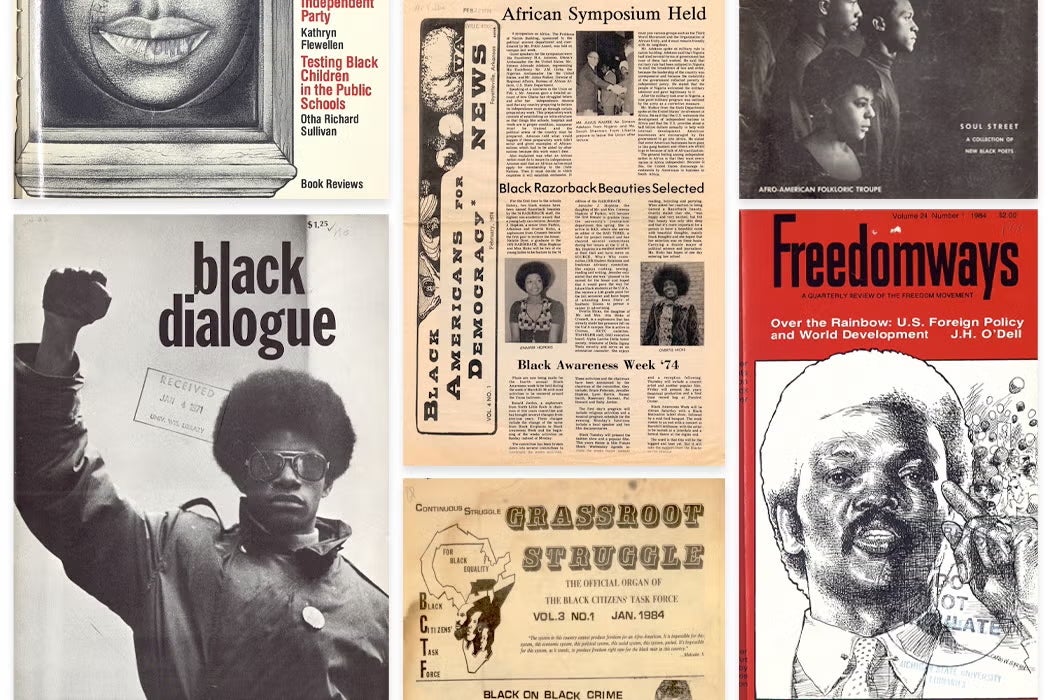
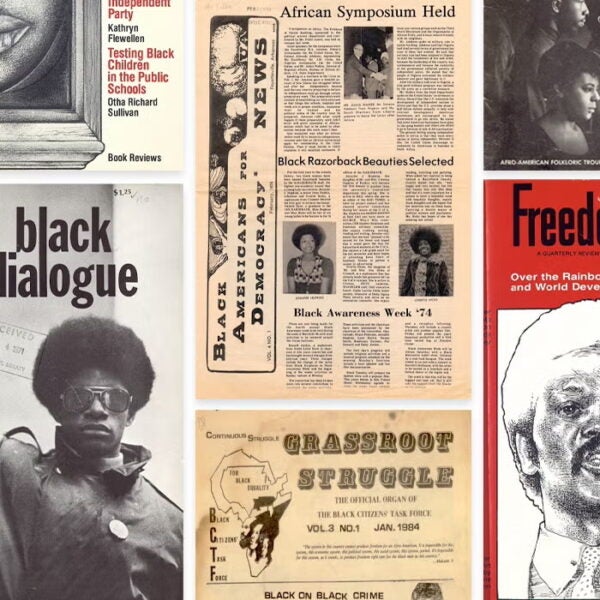
Teach Black history through the Black American press
Give students direct access to Black perspectives on politics, culture, and social movements with this open access newspaper collection. These publications illuminate decades of activism and the evolution of Black public voice.
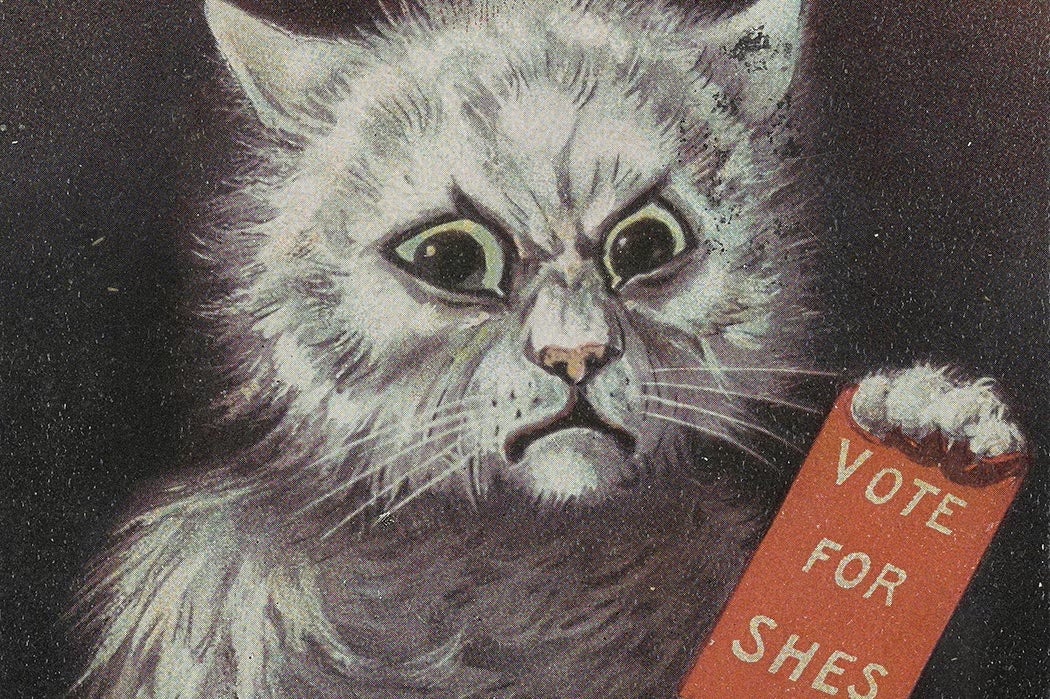
Analyze gender and persuasion through suffrage postcards
Use satirical suffrage-era postcards—often featuring cats—to teach students about gender stereotypes, visual rhetoric, and early political advocacy. A compelling way to examine persuasion and public opinion in the fight for voting rights.
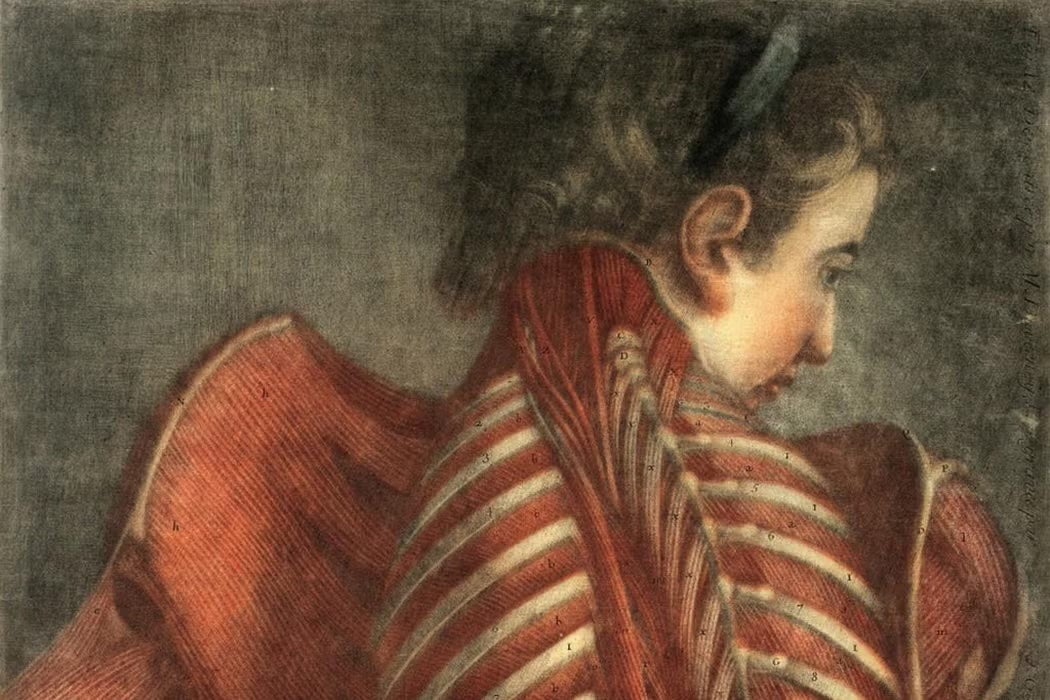
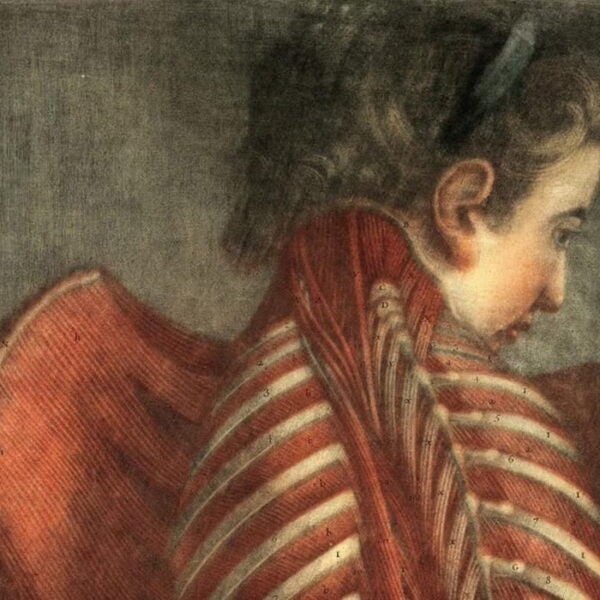
Enrich lessons with primary sources from the history of medicine
The Wellcome Collection’s 96,000+ digitized items—anatomical drawings, instruments, manuscripts, and global artifacts—offer interdisciplinary entry points for teaching art, medicine, public health, and material culture.
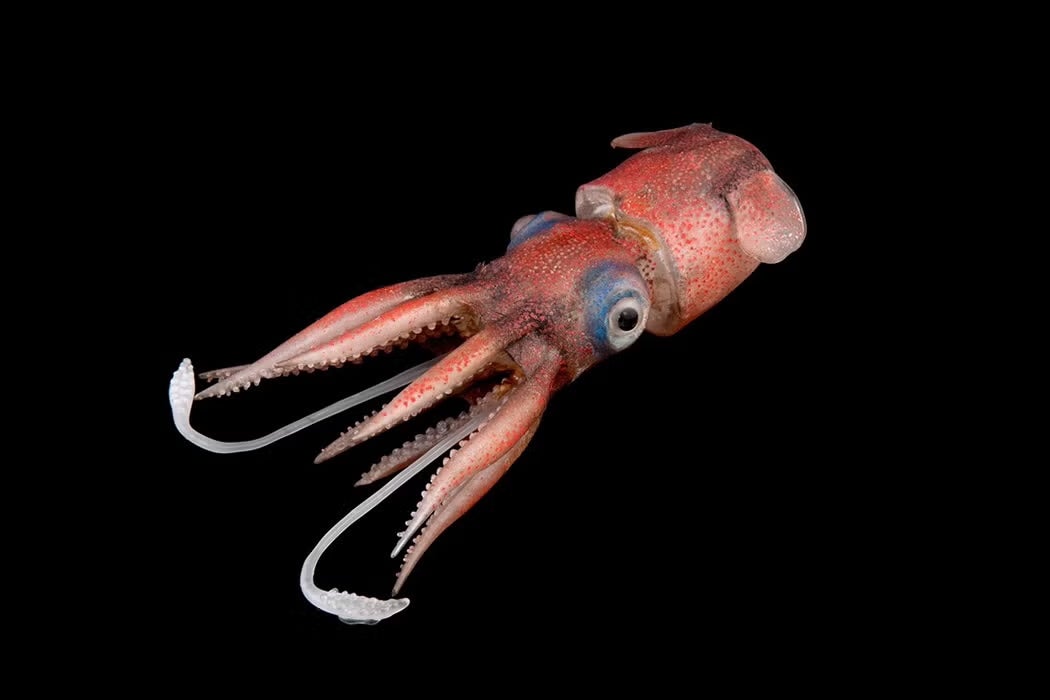
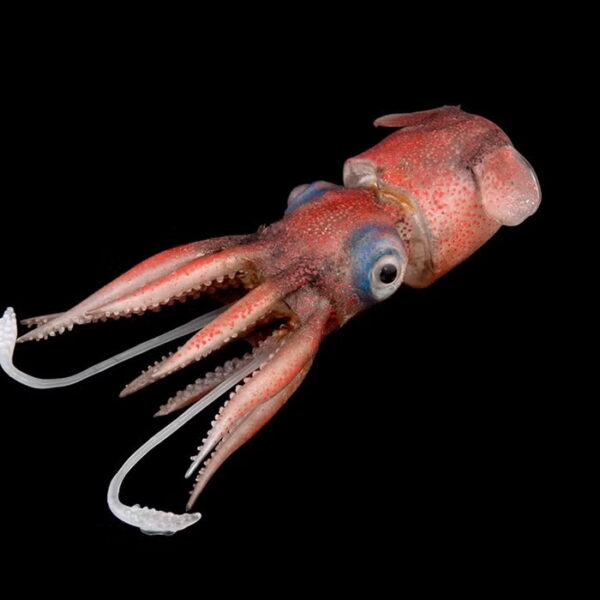
Bring ocean biodiversity to life with Blaschka glass models
These intricate 19th-century glass invertebrates offer a striking way to teach marine biology, biodiversity, and the intersection of art and science. The digitized collection helps students visualize ocean life and understand ecosystem fragility.
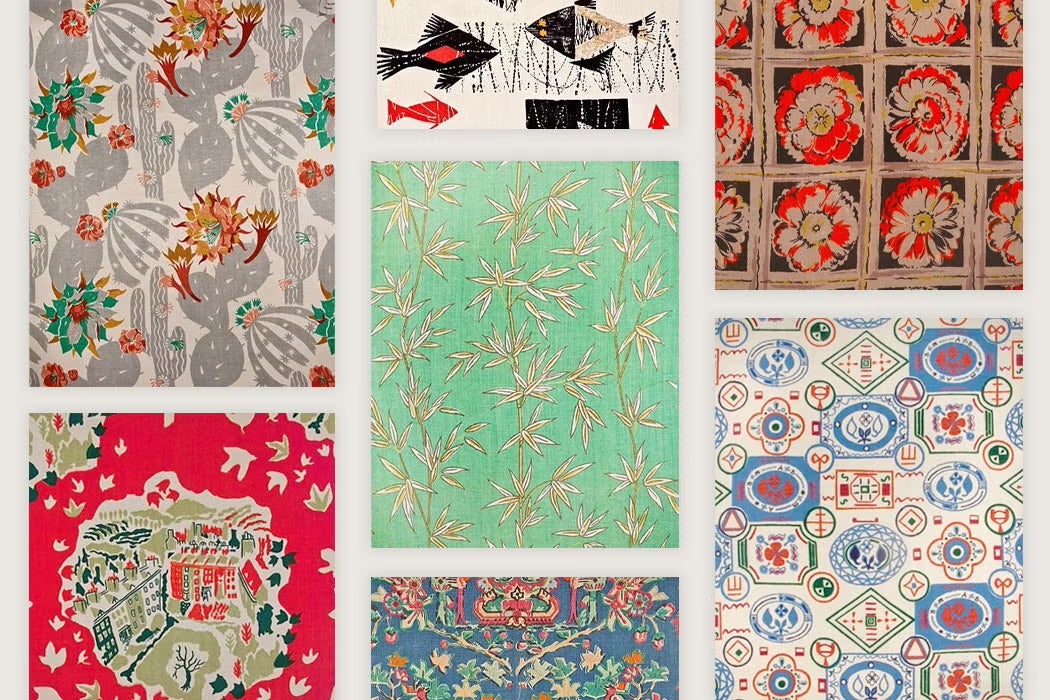
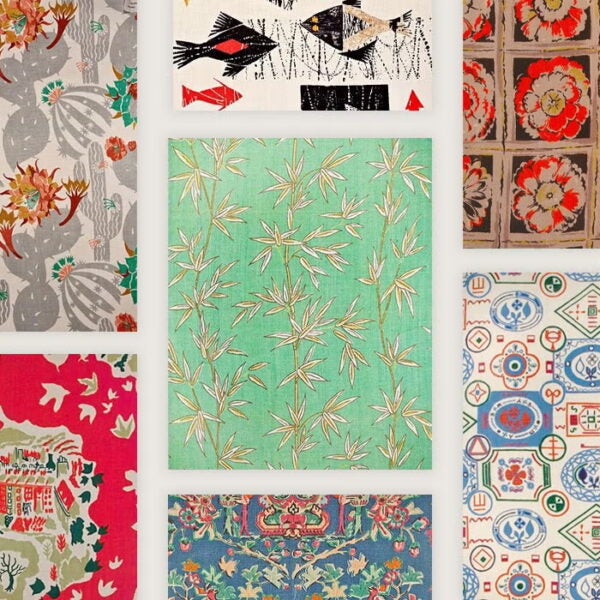
Teach design and visual analysis with historic textiles
Incorporate 300+ Donald Brothers fabric designs to support lessons on pattern, color, material culture, and design thinking. These textiles bring history, art, and craft to life in visually engaging ways.
05
Boost student engagement and research skills
Use JSTOR’s tools and resources to transform research and reading assignments from one-directional tasks into active, collaborative learning.
Build confidence with Research Basics
Support learners who are new to academic research with Research Basics, JSTOR’s free, self-paced online course. Short lessons and practice activities help students learn how to search strategically, evaluate sources, and use information ethically—before they tackle major assignments.
Strengthen research workflows with JSTOR Workspace
Help students stay organized with our free tool that lets them save, group, annotate, and export sources. With a personal JSTOR account, students can use JSTOR Workspace to build project folders, keep track of citations, and revisit key readings throughout their academic journey.
Support inquiry with JSTOR’s AI research tool
Use JSTOR’s AI research tool to help students quickly gauge relevance, surface key points, and discover related content—all within JSTOR’s trusted corpus. Designed to support, not replace, student work, the tool can make scholarly texts more approachable while preserving rigorous expectations.
Interactive annotation that turns reading into conversation
Give students a shared space to engage with JSTOR texts using Hypothesis social annotation. Encourage close reading, peer-to-peer dialogue, and information literacy as students highlight, comment, and respond to each other directly on course readings, online via the free browser extension, or in your LMS.
06
Tools for educators
Teaching resources
A collection of topical reading lists, primary sources, and classroom activities for building analytical and research skills.
Stay informed
Sign up to receive occasional teaching and learning updates packed with innovative resources, new tools, educator success stories, and details on upcoming webinars and events—all designed to support your teaching.
Share your expertise
Your experience matters. Partner with us to share practical insights, teaching strategies, and innovative applications of JSTOR in the classroom with the wider academic library community through the JSTOR Blog and JSTOR Daily. Honoraria are available.
Join a growing community
Follow JSTOR on social media for valuable content and the latest resources to share with your community.
07
Recorded trainings for educators
Introducing research fundamentals on JSTOR
Build students’ core research abilities with a clear introduction to JSTOR’s search tools, primary/secondary source discovery, and the JSTOR Research Tool. Perfect for instructors teaching first-year or introductory research expectations.
Advancing research instruction with JSTOR
Take your students’ research practice to the next level. This session dives into advanced JSTOR features that support upper-division coursework, deeper inquiry, and faculty-level research habits—ideal for strengthening disciplinary rigor.
Working with images and primary sources on JSTOR
Learn how to teach with JSTOR’s rich visual and archival materials. This session shows educators how to integrate images and primary sources into assignments, lectures, and research skill-building.
Teaching with JSTOR’s AI-powered research tool
See how JSTOR’s research tool can support reading comprehension, topic discovery, and iterative inquiry. Educators will learn how to integrate AI-assisted summarization and questioning into instruction while reinforcing responsible research habits.
Using Artstor on JSTOR for cross-disciplinary teaching
Learn practical strategies for integrating images into courses across the humanities, sciences, and social sciences. Experts demonstrate how visual materials can deepen analysis, spark discussion, and enrich assignments across disciplines.
Boosting primary source instruction with 9 key insights
Discover evidence-based practices that strengthen student engagement with digital primary sources. This webinar outlines how librarians and faculty can collaborate to overcome instructional barriers and expand students’ historical thinking skills.
Boosting student engagement with Hypothesis social annotation
See how Hypothesis for JSTOR transforms reading into active dialogue. This session shows educators how collaborative annotation improves comprehension, accountability, and classroom discussion using JSTOR’s scholarly content.
08
Community voices

When I shared how we had special access to the research tool, the students hooted and hollered!

JSTOR Daily felt like a secret weapon, an ever-reliable support on which to lean for inspiration and topics to excite a general love of learning.
Sign up for updates
Never miss a thing. Get updates from JSTOR delivered straight to your inbox.
By signing up you agree to our Privacy Policy. You may unsubscribe at any time by clicking on the provided link on any marketing message.
"*" indicates required fields
View image credits from this page
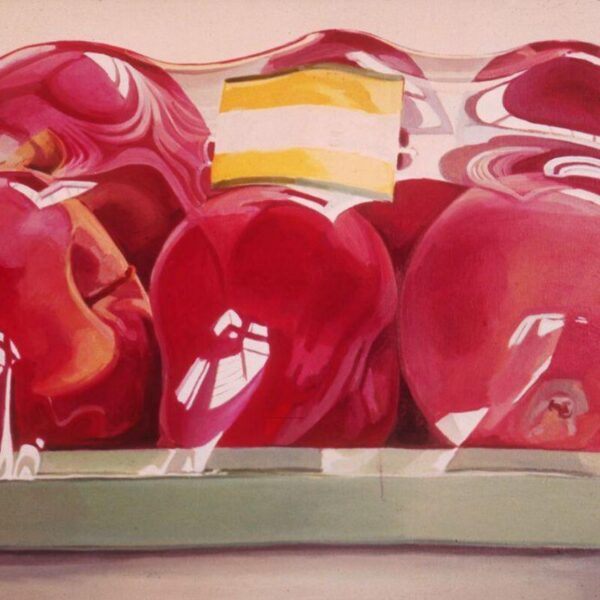
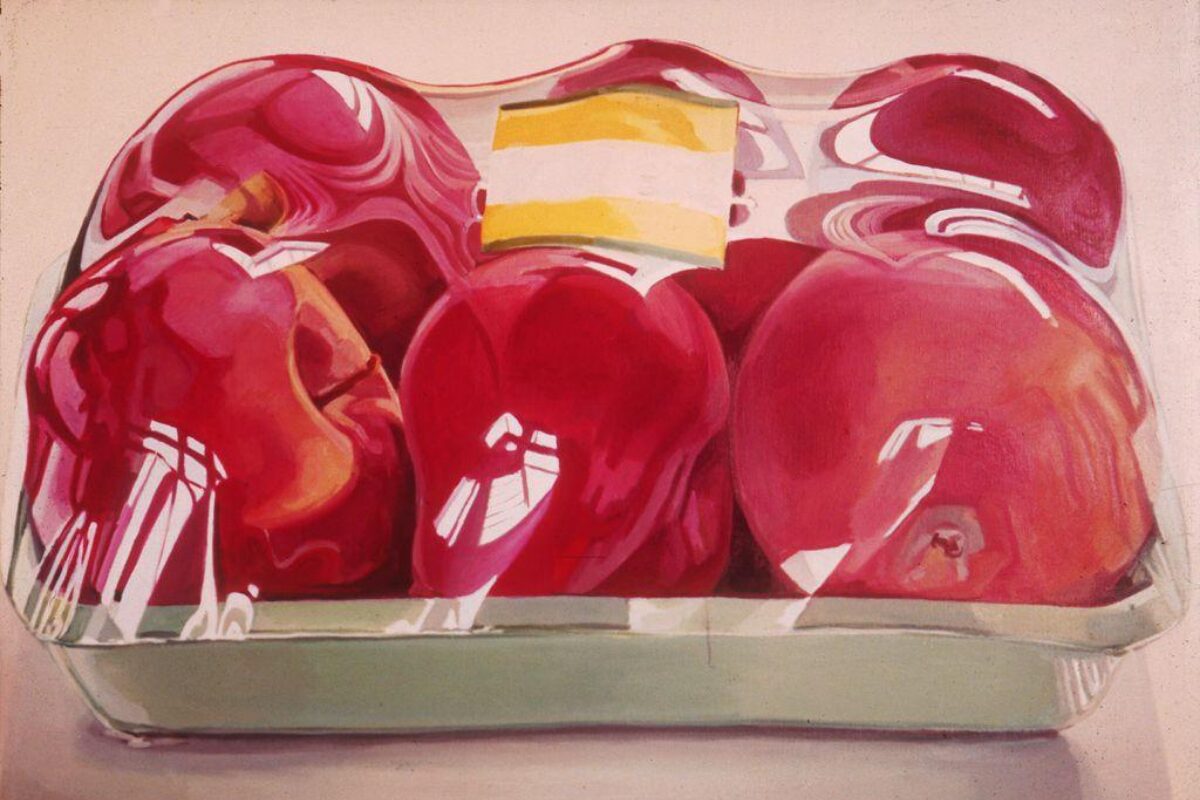
Janet Fish. Apples. 1970. Part of Visual Arts Legacy Collection, Artstor.
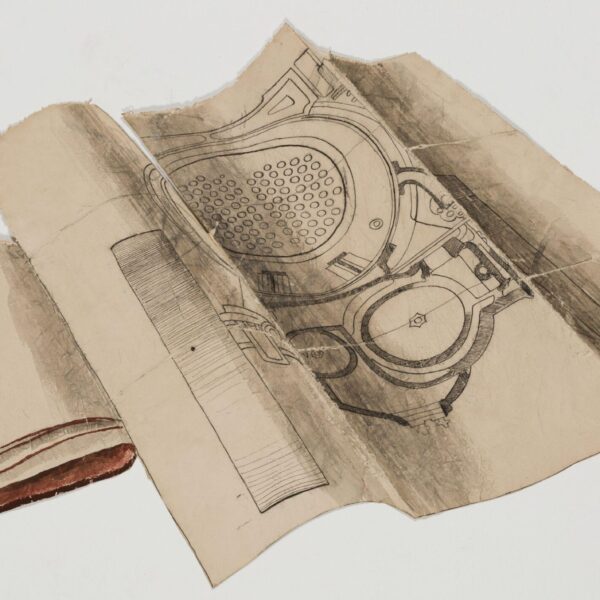
Ion Bitzan. Carte Cu Desen Tehnic. 1993. Part of Open: Ion Bitzan, Artstor.
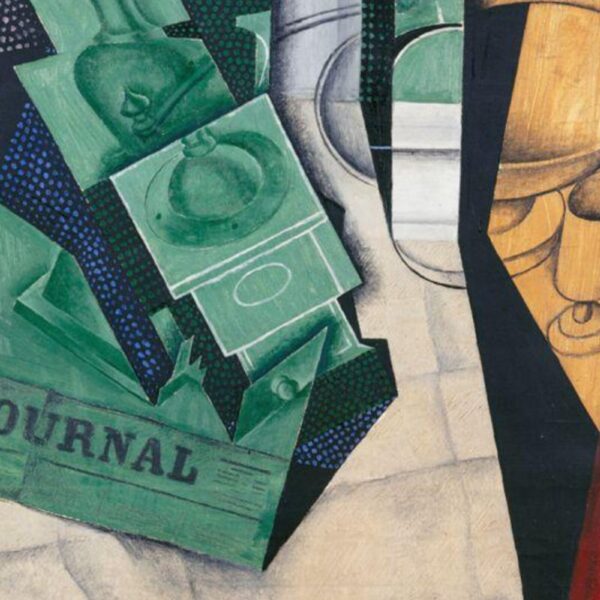
Juan Gris. Detail: Breakfast (Le Petit Déjeuner). October 1915. Part of Réunion des Musées Nationaux (RMN), Artstor.
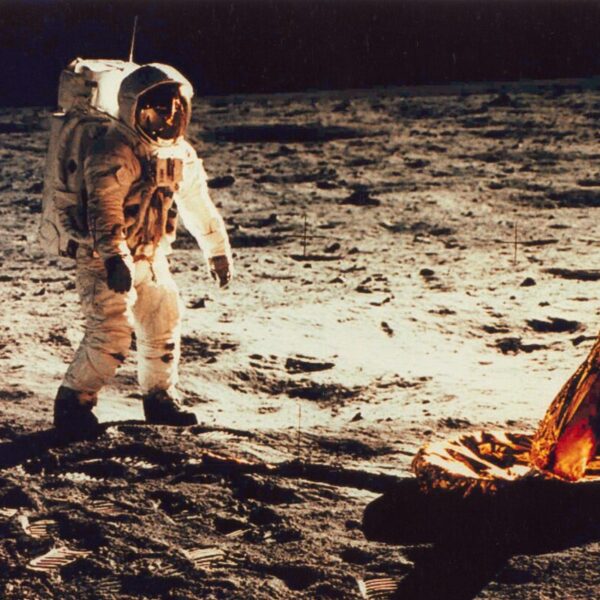
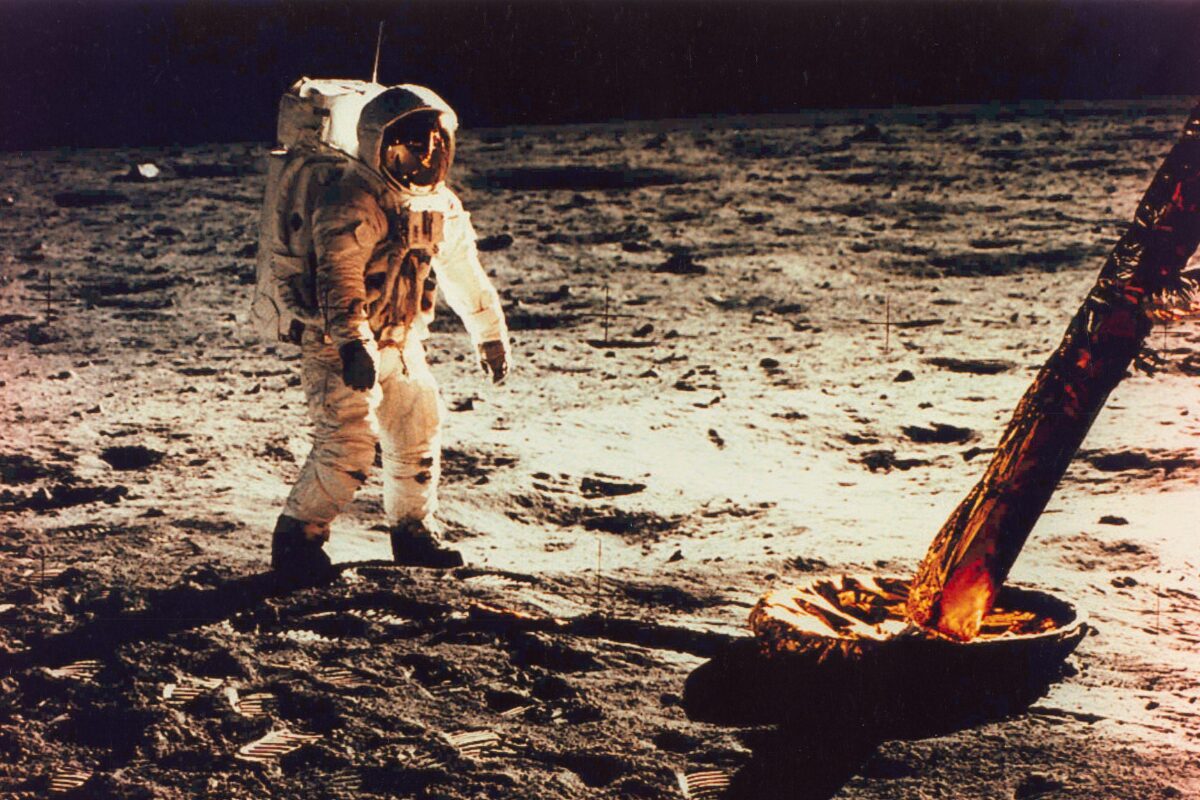
Neil Armstrong. Buzz Aldrin Walking on the Surface of the Moon Near a Leg of the Lunar Module. 1969. Part of Open: The Metropolitan Museum of Art, Artstor.
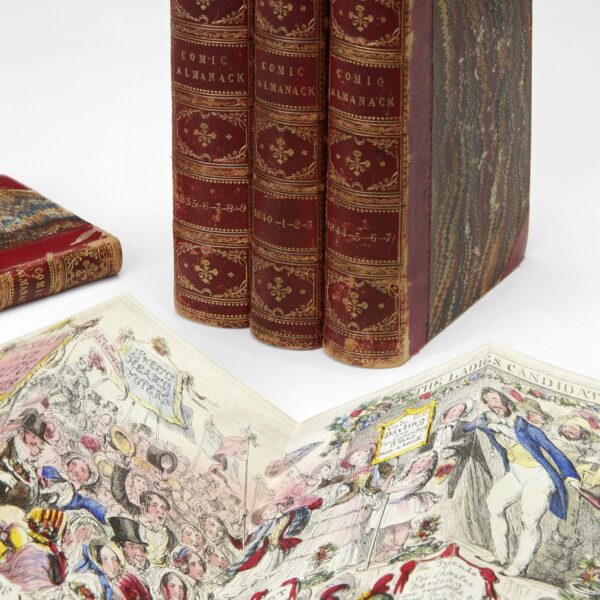
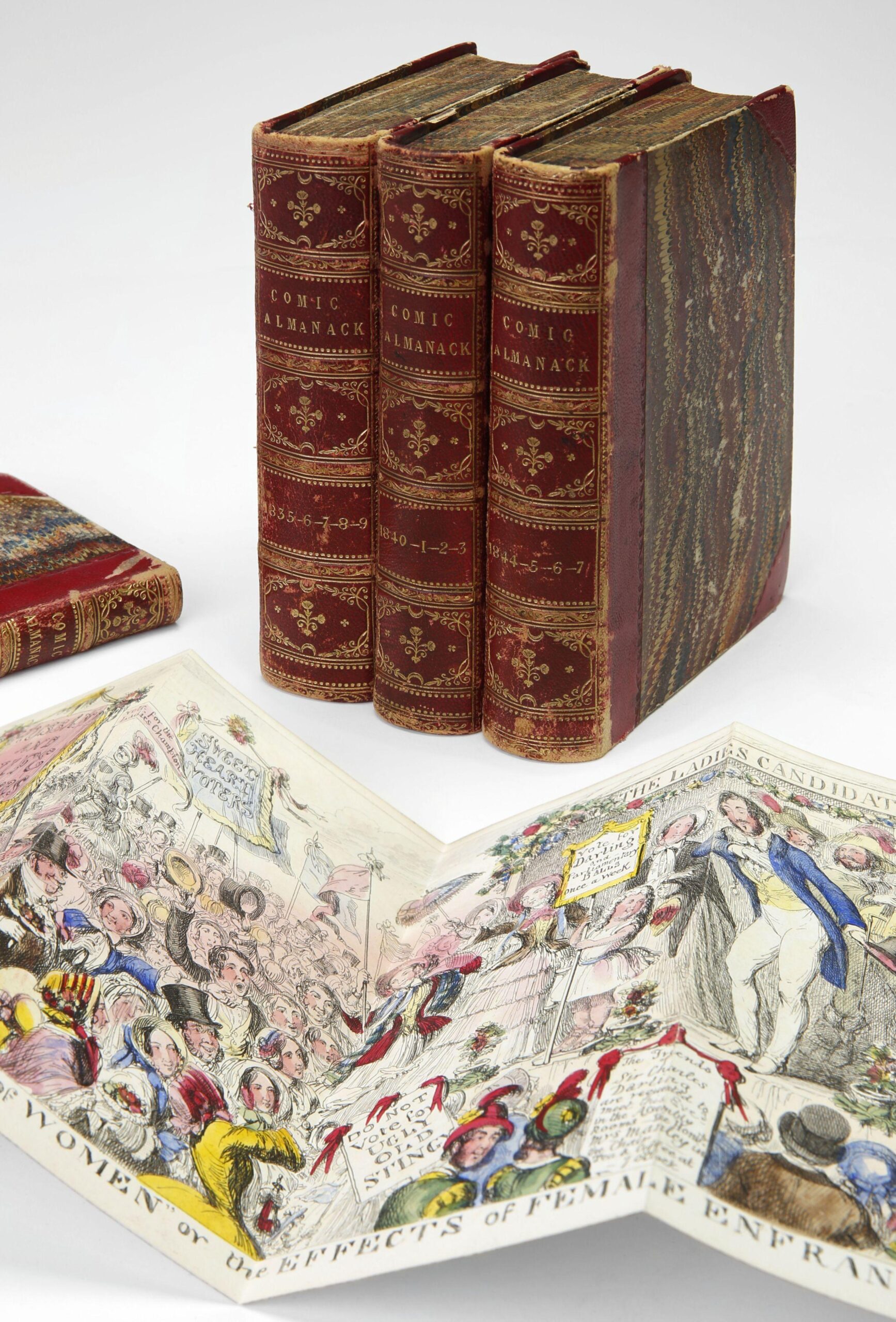
George Cruikshank. Comic Almanack : An Ephemeris in Jest and Earnest, Containing “All Things Fitting for Such a Work.” 1835-1853. Part of George Cruikshank (from the Norman M. Fox Collection of Illustrated Books), Skidmore College.
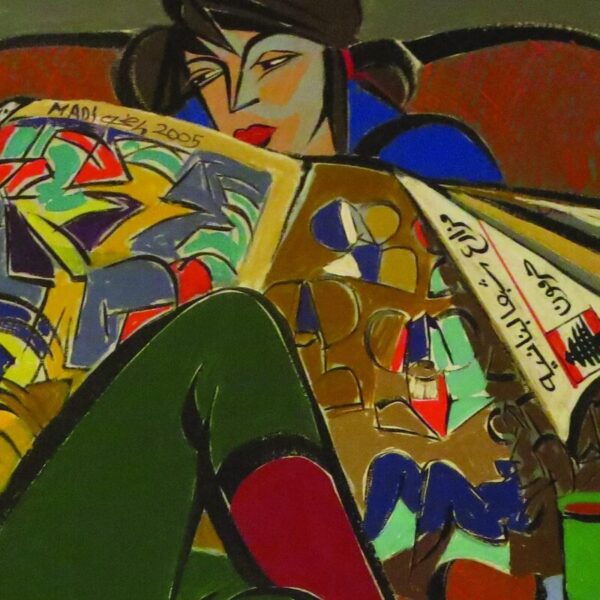
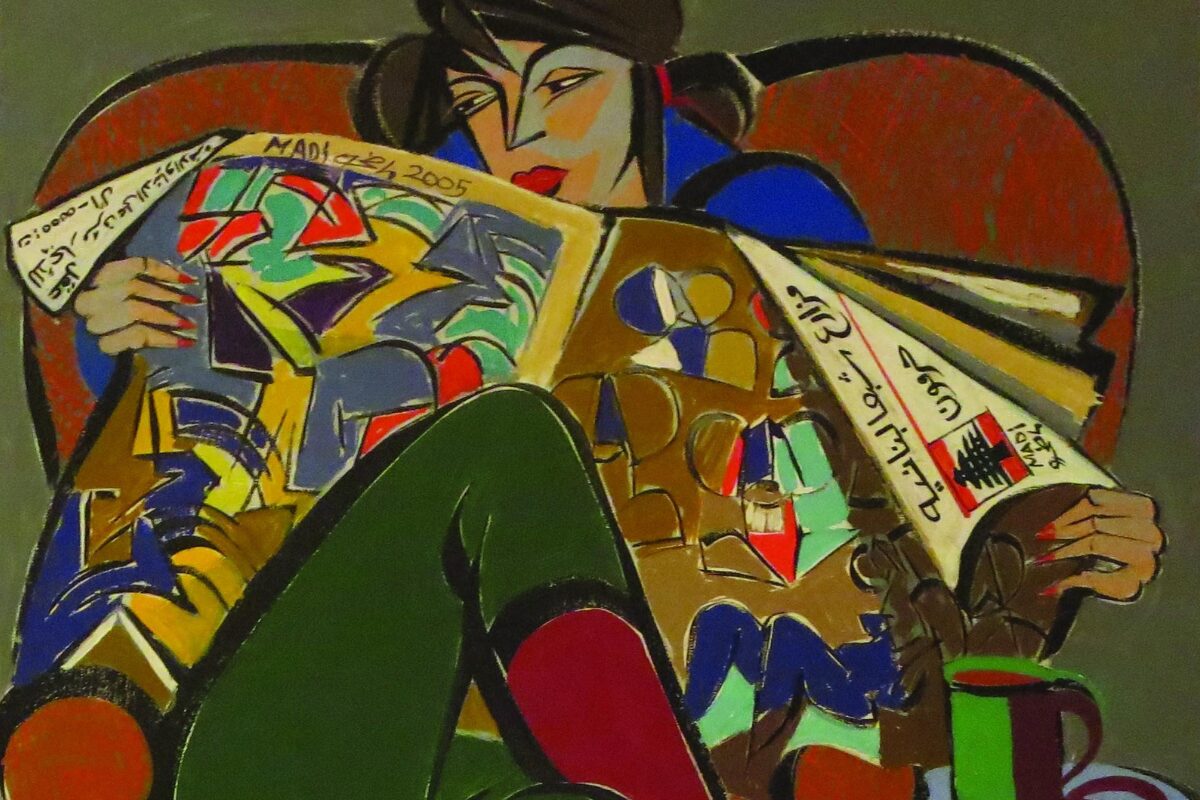
Hussein Madi. The Newspaper. Second Generation Modern Artists (1925–1950). Part of BeMA Collection, Rice University.
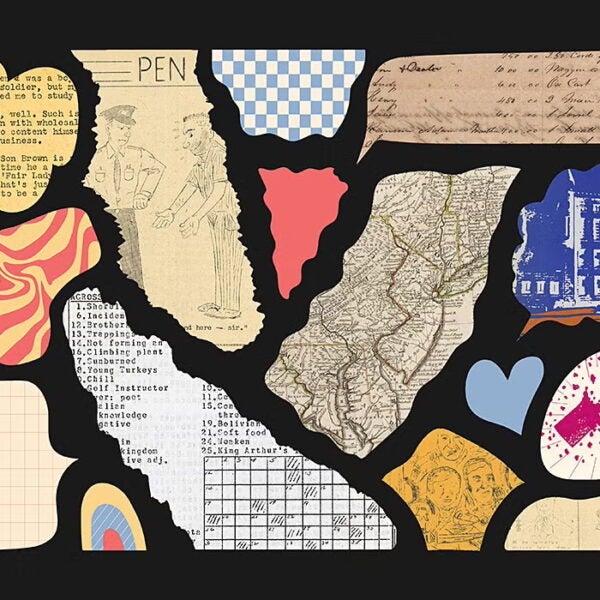
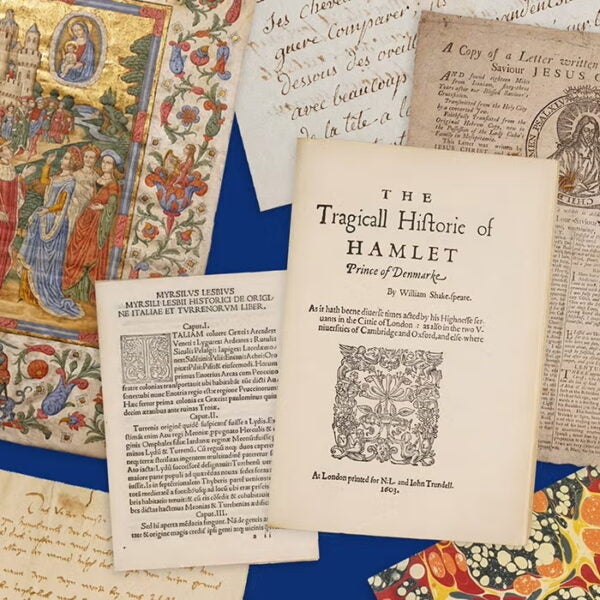
A selection of pages from the the Johns Hopkins University Stern Center for the History of the Book Bibliotheca Fictiva collection available on JSTOR.
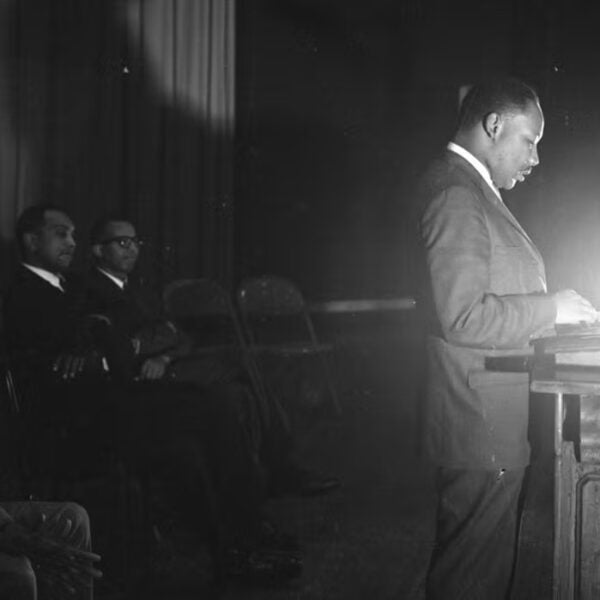
Dr. Martin Luther King, Jr. speaks at the TCA meeting, 1957. Courtesy of the Tuskegee University Archives, P.H. Polk Collection, 2017.
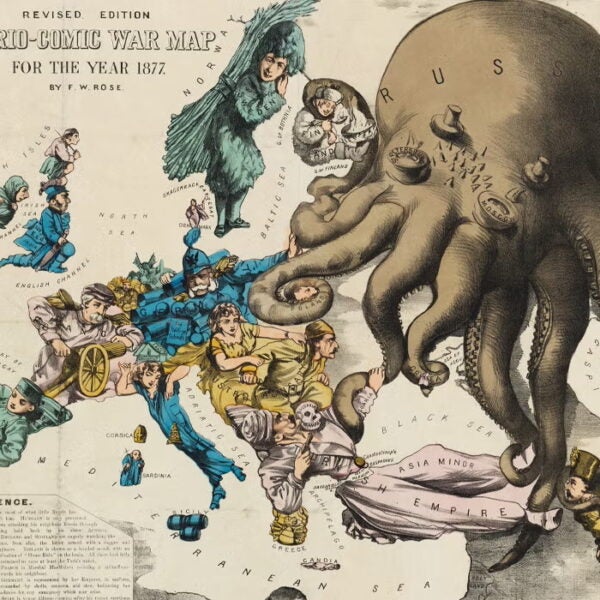
Fred W. Rose. Serio-Comic War Map For The Year 1877. Revised Edition. 1877. Persuasive Cartography: The PJ Mode Collection, Part of Cornell University. https://www.jstor.org/stable/community.19343682.

Frank O’Hara via Wikimedia Commons
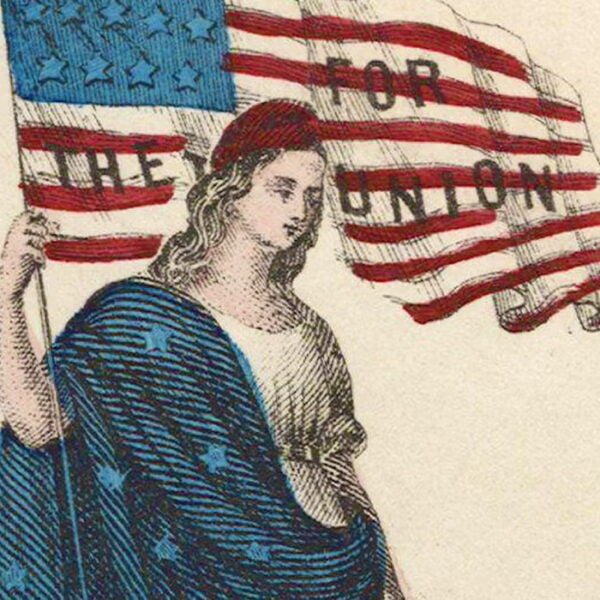
For the Union. n.d. Civil War and Slavery Collection, Part of Grand Valley State University. https://jstor.org/stable/community.31563370.

The Suffragette Down with the Tom Cats. 2019-10-30. Votes and Petticoats: Postcards, Part of Johns Hopkins Digital Collections. https://jstor.org/stable/community.34505365.
Gautier Dagoty and Duverney, M. Muscles of the Back: Partial Dissection of a Seated Woman, Showing the Bones and Muscles of the Back and Shoulder. 1745/1746. Part of Open: Wellcome Collection, Artstor. https://www.jstor.org/stable/community.24738828.
Kent Loeffler. Rossia Macrosoma. n.d. Cornell Collection of Blaschka Invertebrate Models, Part of Cornell University. https://www.jstor.org/stable/community.20108261.
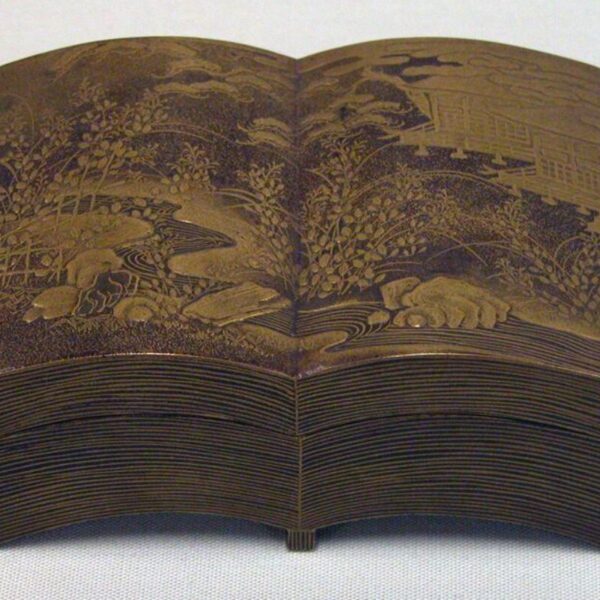
Japanese. Box in the Shape of an Open Illustrated Book. Late 19th century. Part of Open: The Metropolitan Museum of Art, Artstor.
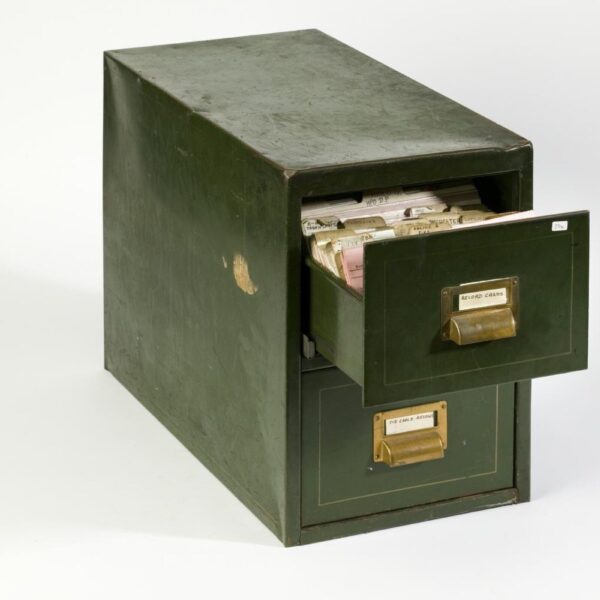
Roneo Ltd. Filing Cabinet. 1920-1925. Part of Open: Science Museum Group, Artstor.
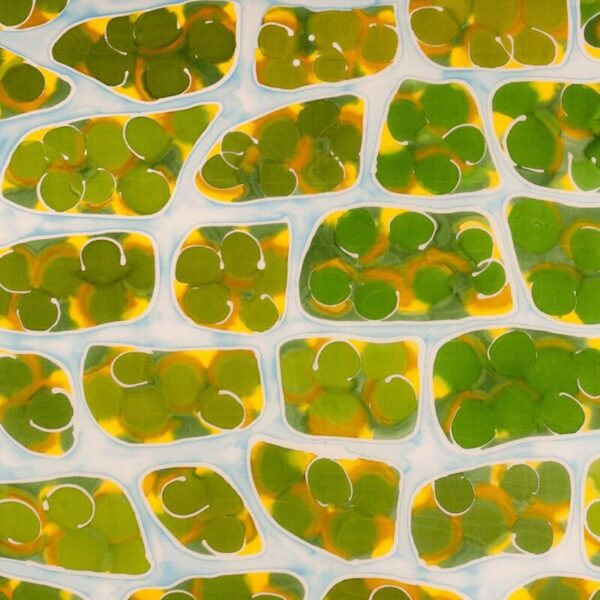
Odra Noel. Light Wall Moss Leaf. n.d. Part of Open: Wellcome Collection, Artstor.
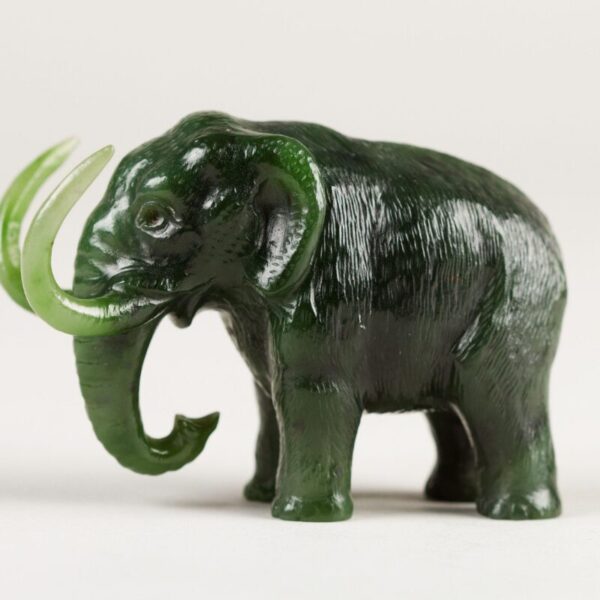
Russian. Miniature Mammoth of Siberia. 1900. Part of Open: The Metropolitan Museum of Art, Artstor.